Jake Halpern on Collaboration — and Getting the Pulitzer Call at the Airport
'In my mind what always makes the most powerful story, is a small personal story with a high dramatic stake.'
'In my mind what always makes the most powerful story, is a small personal story with a high dramatic stake.'
The New York Times won an Explanatory Reporting prize for 'illustrating the darker side of a changing global economy for workers and consumers' by looking into Apple and other tech companies' business practices.
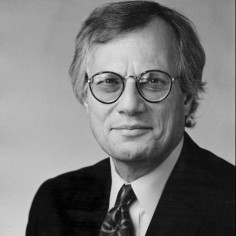
In light of Rosenthal's death, Pulitzer.org has posted his prize-winning pieces and is making public his jury report for the first time.
Following the racial unrest in Charlottesville — and President Trump’s response to it — take a look back at The New York Times' prize-winning series, 'How Race is Lived in America.'
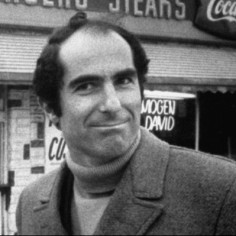
The Times critic praises Roth’s ambition and its fulfillment in the novel that at last won him the Pulitzer Prize. Coincidentally, she won one, too.
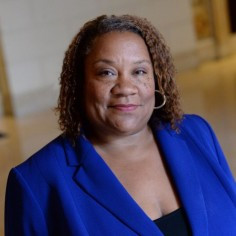
Linda Greenhouse’s long tenure on the Supreme Court beat gave her the perspective to see the currents beneath the surface.
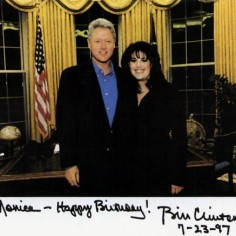
After the Clinton-Lewinsky scandal broke, Maureen Dowd latched on to the story and wouldn’t let go.
Longtime New York Times correspondent John Burns won two Pulitzer Prizes: one for his coverage of Bosnia-Herzegovina and another for his reporting on 'the harrowing regime imposed on Afghanistan by the Taliban.'
Sydney Schanberg of The New York Times stayed in Cambodia after the fall of its capital to the Khmer Rouge. Read one of his prize-winning dispatches from the conflict, published May 9, 1975.
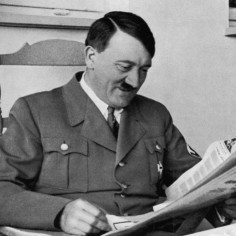
The biggest running international story of the 1930s was the rise to power of Adolf Hitler and his Nazi Party. Today we share the work of four reporters who won Pulitzer Prizes for covering this story.