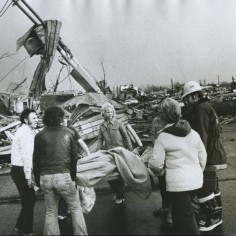
A devastating tornado unites a newsroom, and a community
Xenia Daily Gazette city reporter Rich Heiland recalls writing his prize-winning work at 3 a.m., by candlelight, in an office whose roof had blown off.
Xenia Daily Gazette city reporter Rich Heiland recalls writing his prize-winning work at 3 a.m., by candlelight, in an office whose roof had blown off.
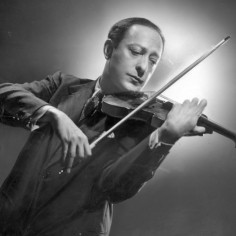
Jascha Heifetz has left the building. Long live Jascha Heifetz.
Meg Greenfield of The Washington Post eats crow and wins a Pulitzer.
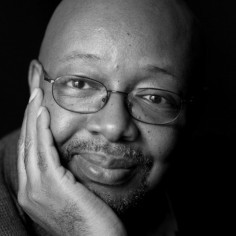
Leonard Pitts Jr. has called himself a writer since age 5 — when he told gripping tales about the adventures of a boy superhero, coincidentally named Leonard, too.
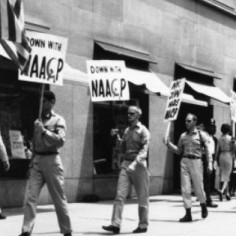
1947 Pulitzer winner Edward Folliard chronicled an American pro-Nazi group, the Columbians, in Atlanta. Following the events in Charlottesville, VA., this is a reminder of the role of the press in covering similar events of 71 years ago.
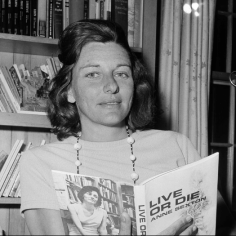
A snail-mail debate gave three Pulitzer Prize-winning poets time to dig in their heels over who should win the 1967 Poetry Prize. The drama lasted right up till the final curtain.
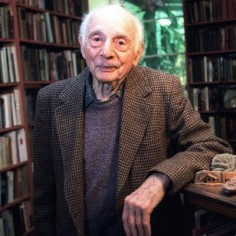
The prize-winning poet was born on this day in 1905. A hundred years later, he was still writing and publishing poetry. Listen to him read some of his work.
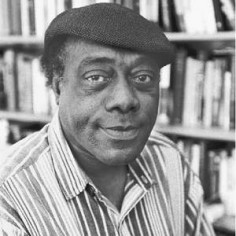
Read the Pulitzer Fiction jury's praise of 'Elbow Room,' the prize-winning book by the late James Alan McPherson.
Over half a century before the age of Snowden, an article from Nat S. Finney's 1948 Prize-winning entry offers a fascinating glimpse into the initial gestation of a permanent 'security blanket modeled after wartime military security.'
How a professor from Germany became a major chronicler of Pulitzer Prize history and tried to strike a blow for a freer press in Joseph Pulitzer’s native Hungary.