How Will the COVID-19 Crisis Affect Local News Businesses?
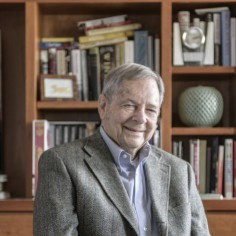
Past Pulitzer Prize Board Chair Gregory L. Moore examines what the pandemic means for newsrooms across the U.S.
Past Pulitzer Prize Board Chair Gregory L. Moore examines what the pandemic means for newsrooms across the U.S.
Graduate students from Columbia Journalism School participated in an online Q&A with Canedy. They asked what happens behind the scenes and learned more about the 2020 finalists and winners. Watch the video here.
The 1971 Local General/Spot News Reporting Prize contributor has released a new book on the Kent State shootings. This week marks the 50th anniversary of the event.
Last week, journalists across the country submitted their and their colleagues' work for 2021 Pulitzer Prize consideration. Now that the entry deadline has passed, the next stage of the competition begins — the jury process. Take a peek behind the curtain to learn how this phase of the competition unfolds.
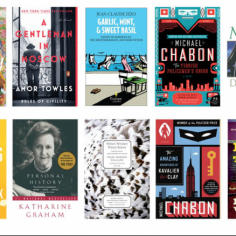
The Washington Post solicited book choices from Pulitzer Prize Administrator Dana Canedy and Fiction winner Anthony Doerr, among other luminaries.
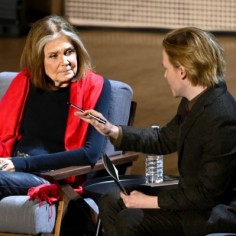
Gloria Steinem, Ronan Farrow, Gail Collins, David Remnick and more choose their favorite Pulitzer-winning books by female authors in celebration of Women's History Month.
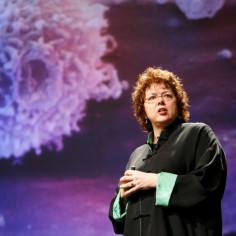
A look at the challenges and responsibilities reporters are facing in reporting on the global COVID-19 pandemic, including perspectives from past Pulitzer winners Laurie Garrett and David Oshinsky.
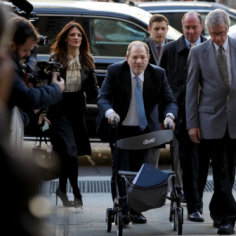
Today, film producer and Miramax co-founder Harvey Weinstein was sentenced to 23 years in prison. Revisit the Public Service prize-winning stories by Ronan Farrow of The New Yorker and Jodi Kantor and Meghan Twohey of The New York Times that exposed his behavior and sparked the #MeToo movement.
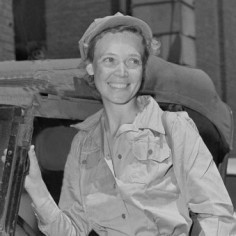
Higgins was the only woman among six reporters honored in 1951 for covering the Korean War. The Pulitzer jury noted: 'She is entitled to special consideration by reason of being a woman, since she had to work under unusual dangers.'
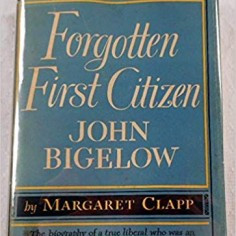
The 1948 Biography winner and protege of fellow Pulitzer winner Allan Nevins scaled the glass ceiling of postwar academia — but never wrote history again.