The Gazette, by David Philipps
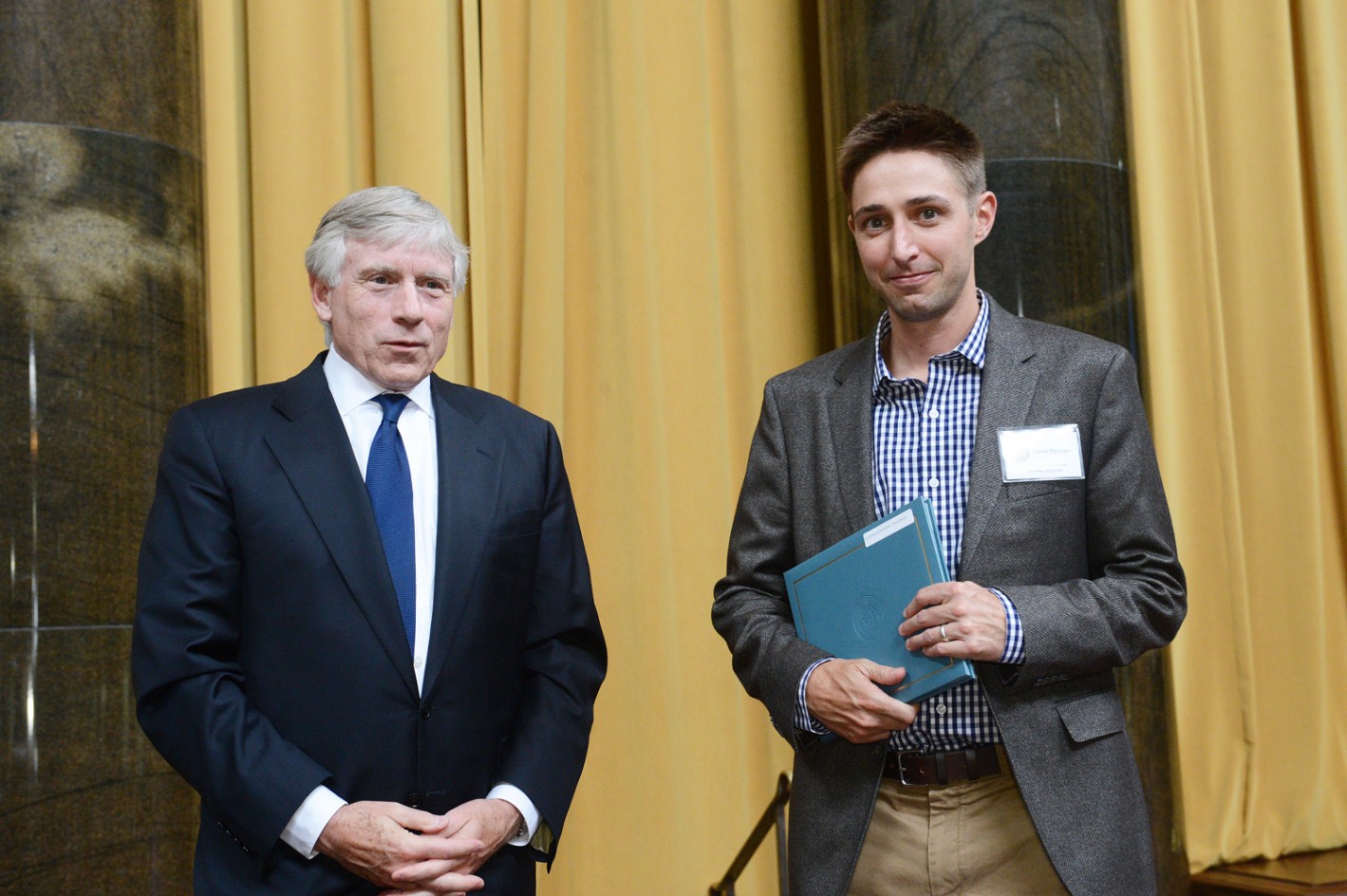
Lee C. Bollinger, President of Columbia University (left), presents the 2014 National Reporting Prize to David Philipps of The Gazette, Colorado Springs, Colo.
Winning Work

Photo by Michael Ciaglo
To the Pulitzer Prize judges,
This is a submission by The Gazette of Colorado Springs for the Pulitzer Prize for National Reporting.
In 2013, after a decade of war, the Army was kicking out more soldiers for minor misconduct than ever before. Many of these troops had traumatic brain injuries and post-traumatic stress disorder that made them more likely to get in trouble. An other-than-honorable discharge stripped them of VA benefits for life, which meant the troops who needed help the most were least likely to get it. A Gazette series called "Other than Honorable," published in May, 2013, reported this nationwide surge in discharges for the first time and showed how systemic problems with the medical retirement and deployment processes gave the Army incentive to discharge injured soldiers for misconduct, rather than treat their injuries. The paper showed the broad impact of these practices, which were occurring at Army posts across the country, and changed federal law.
To tell the story, The Gazette focused on three combat veterans: A homeless soldier in and out of the ER weekly with seizures caused by a roadside bomb, a soldier who had his face destroyed by a bomb blast and was slated to be kicked out without benefits after testing positive for drugs, and a soldier in jail for bitting his wife after a blast-related head injury that the Army failed to treat. These men were all decorated soldiers, but struggled after their injuries. In a follow-up called "Pattern of Misconduct" we showed how safeguards designed to protect soldiers were failing.
"Other than Honorable" represents months of reporting in an often insular culture of infantry troops. The reporting combined dozens of interviews of veterans in jails, hospitals, and ratty apartments. We tracked down sources as far away as Afghanistan, interviewed experts across the country, and obtained data through the Freedom of Information Act. We spent months following soldiers caught in this trend, showing how their trauma impacts them, their families and society.
The reporting resulted in changes in federal law, proposed government hearings and drastic improvements in the lives of a number of combat veterans. It is the kind of reporting that typically results only from sustained in-depth coverage of an issue - in this case the Army and the toll of war on troops. The Colorado Springs Gazette has been through tumult in the last decade. The staff was cut by half. We declared bankruptcy. We were bought and sold twice in one year. But we have never lost sight of the importance of reporting on soldiers, who are the key part of our community where national policy touches local people. We have gone to war with them, watched them come home, seen them both thrive and struggle. They are our friends, neighbors, siblings and spouses.
"Other than Honorable" grapples with an issue taking place on a national scale, but that had gone unnoticed. The Gazette was the first to report on the trend and its causes. The paper revealed failures in Army systems that top Army commanders were not aware of. These failures affect 1,000s of soldiers whose untreated war wounds and lack of access to the VA will impact the nation for decades.
The Army fought our coverage every step of the way. Local commanders refused to make key officers available. They stonewalled and delayed, refusing to give The Gazette basic public information. They somehow obtained detailed knowledge of our series weeks before it was published, then urged The Gazette's parent company to kill the story, saying the reporting was "false and biased." Reporter Dave Philipps was threatened by a lieutenant colonel who warned that the Army had sources who knew who the reporter was talking to, and he'd better be careful.
Our coverage had quick impact. It was the most-read story The Gazette has ever published, and most of the readers came from outside our region. The number of soldiers Army-wide kicked out with other-than-honorable discharges immediately started to drop after our reporting. The Gazette was contacted by soldiers who were days from being booted and were suddenly sent for a medical discharge.
Congressman Mike Coffman of Colorado initiated Congressional hearings on the matter. Senator Michael Rennet of Colorado introduced a bill for a Government Accountability Office investigation. Congressman Joe Wilson of South Carolina passed legislation requiring PTSD and TBI screenings before court-martial proceedings.
There were no challenges to the reporting's accuracy.
The coverage has created a foundation for a national dialogue. Our reporting has served as a starting point for several media organizations including Fox News, The New York Times, Forbes and Democracy Now. NPR ran a five-part series by the same name on the issue in December. A number of veterans groups have used our findings to build their own initiatives. Because of this, the public is beginning to understand that modem warfare creates a new kind of trauma that needs a new kind of response.
The fives of the men we profiled have been forever changed. One was quickly given VA benefits. He is no longer homeless. Another was let out of jail and put in a special Army unit for wounded troops where he is now being medically retired. Assault charges against him are likely to result in a deferred sentence. A third has made it his mission to speak out for veterans in similar situations, and has been speaking with Congressional representatives in an attempt to change laws.
We consider this our best work, done with bare-bones resources because we felt it needed to be done. It is our honor to submit "Other than Honorable" for the Pulitzer Prize.
Sincerely,
Joe Hight
Editor
Biography
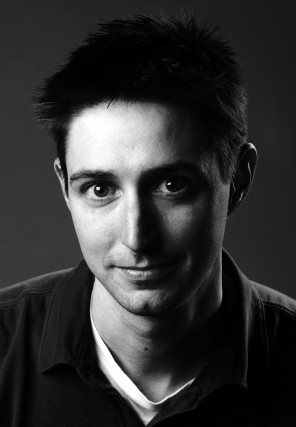
Dave Philipps has worked at The Gazette in Colorado Springs for ten years as a reporter, photographer, restaurant critic and sometimes cartoonist. Because Colorado Springs is home to more than 50,000 active duty troops, his work has often focused on the military and the unintended consequences of the wars in Iraq and Afghanistan. A Colorado Springs native, Philipps graduated from Middlebury College in 2000 and got a master's degree from the Columbia University Graduate School of Journalism in 2002. He won the Livingston Award for National Reporting and was a finalist for the Pulitzer Prize in Local Reporting in 2010 for what judges called "his painstaking stories on the spike in violence within a battered combat brigade returning to Fort Carson after bloody deployments to Iraq, leading to increased mental health care for soldiers."