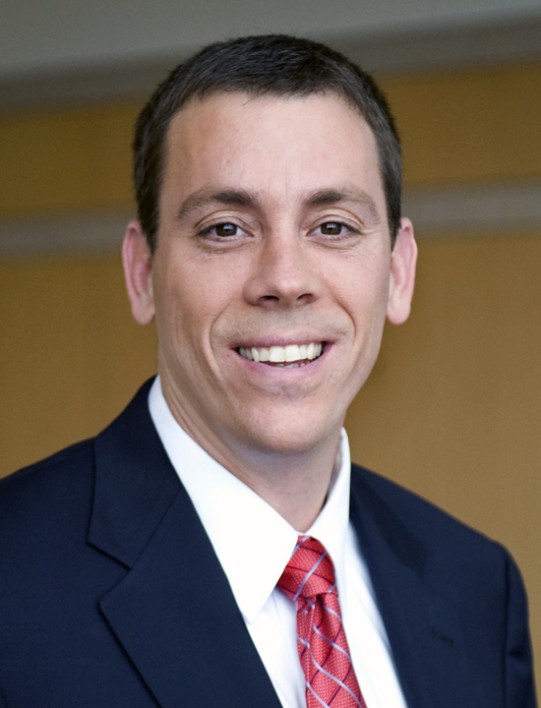
Jim VandeHei
Jim VandeHei, is executive editor and co-founder of Politico, a new media company covering national politics and governance. VandeHei is the first representative of a primarily online news organization to serve on the Pulitzer Board.
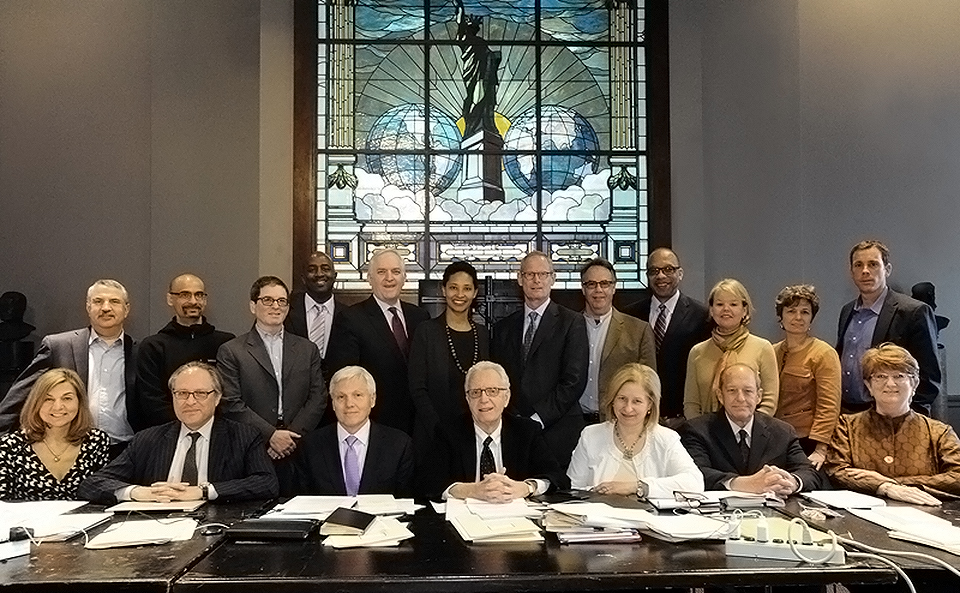
front row, left to right: M. Sullivan, N. Lemann, J. Amoss, S. Gissler, A. Lipinski, R. Beck. K. Carroll; back row, left to right: T. Friedman, J. Diaz, R. Blau, G. Moore, P. Gigot, D. Allen, P. Tash, S. Hahn, E. Robinson, K. Willey, J. Dehli and J. VandeHei.
Jim VandeHei, is executive editor and co-founder of Politico, a new media company covering national politics and governance. VandeHei is the first representative of a primarily online news organization to serve on the Pulitzer Board.
Keven Ann Willey, a native of Washington, D.C., became vice president and editorial page editor of The Dallas Morning News in November 2002. Her editorial department’s Bridging Dallas' North-South Gap advocacy won the 2010 Pulitzer Prize for editorial writing. Her department's four-year campaign to amend the state constitution to require legislators to publicly record their votes by name was a finalist for the 2008 Pulitzer Prize.
Randell Beck, as the prize-winning executive editor of the Argus Leader from 2001 to 2008, led his newspaper through numerous public service, investigative and First Amendment projects. Those included a legal battle that resulted in a landmark state Supreme Court ruling in 2005 unsealing more than 200 criminal pardons issued secretly by the governor of South Dakota.
Joyce Dehli, Vice President of Lee Enterprises, joined the Pulitzer Prize Board in May, 2008.
Lee Enterprises publishes 54 daily newspapers and their Web sites. They include the St. Louis Post-Dispatch, the Arizona Daily Star in Tucson, the Wisconsin State Journal in Madison, and other mid-size and small newspapers.
Sig Gissler has been administrator of the Pulitzer Prizes since 2002. A special faculty member at Columbia's Graduate School of Journalism, Gissler is founder of "Let's Do It Better," the school's national Workshops on Journalism, Race and Ethnicity. He is the former editor of the Milwaukee Journal. During his 25 years with the paper, he served as reporter, editorial page editor and associate editor before becoming editor in 1985.
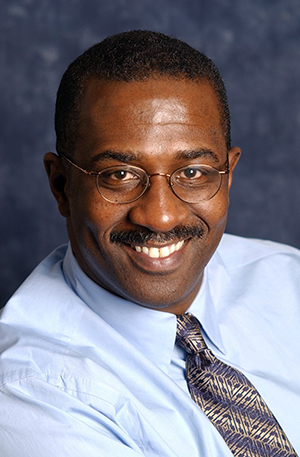
Gregory L. Moore has been editor of The Denver Post since June 2002. Prior to that, he was managing editor of the Boston Globe.
Nicholas Lemann was born, raised and educated in New Orleans. He began his journalism career as a 17-year-old writer for an alternative weekly newspaper there, the Vieux Carre Courier. He graduated magna cum laude from Harvard College in 1976, where he concentrated in American History and Literature and was President of the Harvard Crimson.
With nearly 30 years of service with The Wall Street Journal, Paul Gigot has been the paper's editorial page editor and vice president since September 2001. He is responsible for the newspaper's editorials, op-ed articles and Leisure & Arts criticism and directs the editorial pages of the Journal's Asian and European editions and the OpinionJournal.com web-site. He is also the host of the weekly half-hour news program, the Journal Editorial Report, on the Fox News Channel.
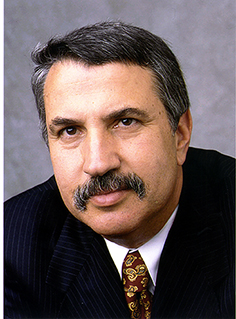
Thomas L. Friedman, a native of Minneapolis, graduated summa cum laude in 1975 with a degree in Mediterranean Studies from Brandeis University. On a Marshall Scholarship, he studied at Oxford University's St. Antony's College and later earned a master's degree in Middle East studies from Oxford in 1978.
After a year as a general assignment reporter in the London bureau of United Press International (UPI), Friedman was transferred to UPI's Beirut bureau as a correspondent from 1979-1981.
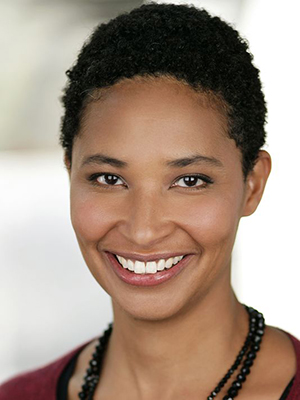
Danielle Allen is a scholar whose intellectual scope spans the fields of the classics, philosophy, and political theory. Her book The World of Prometheus: The Politics of Punishing in Democratic Athens examines the theory and practice of punishment in classical Athens as it affected both the intellectual elite and ordinary citizens. Allen weaves evidence from legal statutes and court speeches with contemporaneous literary and philosophical documents to explore the challenges posed by punishment to democratic Athenian politics and society.