For the Record


The strange case of the $846 subscription offer to the Kansas City Star
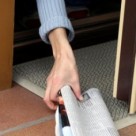
"Strange Case":


The Kansas City Star and other McClatchy newspapers "are engaging an inconsistent pricing model for home delivery," increasing subscription renewal rates by nearly 30 percent in higher income areas. "Some will cancel," said Poynter business analyst Rick Edmonds, "but many will shrug and send in a check."


The Trump administration’s new method for cracking down on leakers

"Unauthorized Disclosures":


The Trump administration "has now indicted at least five journalists’ sources in less than two years’ time," a pace that could potentially "obliterate" the record number of sources prosecuted during the Obama administration. "Leak investigations strike at the heart of the press’s job," said Trevor Timm, executive director of the Freedom of the Press Foundation. "We should all consider this growing crackdown on leaks a danger to investigative journalism."

4 ways to fix "fake news"

"The Big Picture":


In a speech at the University of Wisconsin-Oshkosh, former Pulitzer Prize Board member Jim VandeHei offered "four fairly provocative ideas" about the restoration of "faith and trust in media," including increased regulation of social media and the disuse of "fake news" as a descriptor for misinformation.

Peter Meehan Has Joined the Los Angeles Times as a Contributing Editor

Guidance:


Food writer and Lucky Peach co-founder Peter Meehan has joined the Los Angeles Times as a contributing editor. According to Senior Deputy Managing Editor Kimi Yoshino, "continuing Jonathan Gold’s legacy has been a major part of our planning discussions. Peter Meehan shares many of the sensibilities that our readers appreciated in Jonathan, and we’re happy that he’s agreed to help us give Los Angeles the vibrant, layered coverage of food and culinary culture it deserves."

In Facebook’s Effort to Fight Fake News, Human Fact-Checkers Struggle to Keep Up

Growing Pains:


Although Facebook has partnered with several fact-checking organizations to fight misinformation on the platform, these groups "are playing a limited role" in the company's efforts, which are centered around an algorithmic "war room" in Menlo Park, Calif. The Philadelphia-based Factcheck.org has not "received fresh marching orders" from Facebook and "debunk[s] less than one Facebook post a day."

Penguin Random House Merges Two of its Successful Publishing Lines

"Consolidate And Streamline":


Penguin Random House will merge "two of its most prestigious publishing lines, Random House and the Crown Publishing Group." According to an internal memo, Crown and Random House "will retain their distinct editorial identities." The division will be led by Gina Centrello, currently the president and publisher of Random House.


Craig Newmark, Newspaper Villain, Is Working to Save Journalism

"The Immune System":


Although researchers have "estimated that Craigslist [...] drained $5 billion from American newspapers over a seven-year period," founder Craig Newmark has emerged as a philanthropic force in journalism over the past year, donating more than $50 million to the CUNY Graduate School of Journalism and others. "I might not be the nerd people really need, but I’m the nerd they’ve got," he said.

Jamal Khashoggi: What the Arab world needs most is free expression

"The Last Piece":


Jamal Khashoggi's final column was published by The Washington Post Wednesday. Khashoggi called for "a modern version of the old transnational media so [the Arab world] can be informed about global events." "Through the creation of an independent international forum, isolated from the influence of nationalist governments spreading hate through propaganda," he continued, "ordinary people in the Arab world would be able to address the structural problems their societies face."

Faced With A Daily Barrage

"Navigate It":


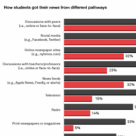
36 percent of respondents to a Knight Foundation-Project Information Literacy study of media engagement among American undergraduates said that "the threat of 'fake news' had made them distrust the credibility of any news," while "45 percent lacked confidence with discerning real news from 'fake news.'"