Alissa Zhu, Nick Thieme and Jessica Gallagher of The Baltimore Banner and The New York Times

Nick Thieme (left), Alissa Zhu and Jessica Gallagher of The Baltimore Banner and The New York Times accept the 2025 Pulitzer Prize for Local Reporting. (David Dini/The Pulitzer Prizes)
Winning Work
Across Baltimore, the death toll has mounted.
Fatal drug overdoses have occurred on a third of the city’s blocks.
Bodies have been found in motels and vacant houses, at parks and the football stadium, around the corner from City Hall and outside the Health Department.
In one grim month alone, 114 people succumbed.
The city was once hailed for its response to addiction. But as fentanyl flooded the streets and officials shifted priorities, deaths hit unprecedented heights.
By Alissa Zhu, Nick Thieme and Jessica Gallagher
People in Baltimore have been dying of overdoses at a rate never before seen in a major American city.
In the past six years, nearly 6,000 lives have been lost. The death rate from 2018 to 2022 was nearly double that of any other large city, and higher than nearly all of Appalachia during the prescription pill crisis, the Midwest during the height of rural meth labs or New York during the crack epidemic.
A decade ago, 700 fewer people here were being killed by drugs each year. And when fatalities began to rise from the synthetic opioid fentanyl, so potent that even minuscule doses are deadly, Baltimore’s initial response was hailed as a national model. The city set ambitious goals, distributed Narcan widely, experimented with ways to steer people into treatment and ratcheted up campaigns to alert the public.
But then city leaders became preoccupied with other crises, including gun violence and the pandemic. Many of those efforts to fight overdoses stalled, an examination by The New York Times and The Baltimore Banner has found.
Health officials began publicly sharing less data. City Council members rarely addressed or inquired about the growing number of overdoses. That the city’s status became so much worse than any other of its size was not known to the mayor, the deputy mayor — who had been the health commissioner during some of those years — or multiple council members until they were recently shown data compiled by Times/Banner reporters. In effect, they were flying blind.
Little of the urgency that once characterized the city’s response is evident today. Since 2020, officials have set fewer and less-ambitious goals for their overdose prevention efforts. The task force managing the crisis once met monthly but convened only twice in 2022 and three times in 2023. By then, fewer people were being revived by emergency workers, fewer people were getting medication to curb their opioid addiction through Medicaid and fewer people were in publicly funded treatment programs.
In an interview, Mayor Brandon Scott defended the city’s response. He knows that Baltimore has had a severe problem with drug addiction for decades, he said, and while the analysis may provide a better understanding of its scale, it will not change his administration’s approach.
“This is an issue that we’re doing a lot of work on and that we can and will do more work on,” Scott said, “but we also know requires a lot, lot more resources” than the city has.
When shown the mortality figures, other city leaders and health experts reacted with alarm.
It’s “really shocking,” said Dr. Joshua Sharfstein, a former Baltimore health commissioner and now a vice dean at the Johns Hopkins Bloomberg School of Public Health, adding that the deaths were “unprecedented in the city’s history.”
Councilman Mark Conway, who leads the city’s public safety committee, described the deaths as “completely unacceptable” and said he would have called for hearings if he had known how much Baltimore was an outlier.
The numbers are “horrifying,” said Dr. Laura Herrera Scott, Maryland’s health secretary since 2023, adding, “We haven’t deployed the right resources in the right places.”
To examine Baltimore’s response to overdoses, journalists for The Times and The Banner reviewed thousands of pages of government documents and interviewed more than 100 health officials, treatment providers and people who have been addicted to drugs. Taken together, the records and interviews reveal the extent to which the city’s leaders failed to grapple with the enormity of the crisis.
State and city agencies track deaths, reporting the overall count to the U.S. Centers for Disease Control and Prevention. But Maryland and Baltimore officials, often citing medical privacy concerns, have not published more detailed information on overdoses that is readily available elsewhere. That secrecy has hindered awareness of the epidemic and responses to it, former city employees and community workers said.
The state’s Office of the Chief Medical Examiner refused to provide full autopsy reports until The Banner won a lawsuit compelling the agency to disclose the information, which identified who died, where they died and how they died.
Those who were lost represented a cross-section of Baltimore: line cook, lawyer, bus driver, engineer, machinist, teacher, restaurant owner, carpenter, veteran, physician, salesman and admissions coordinator for an addiction recovery center. There were retirees and the jobless.
Some victims were heartbreakingly young: Since 2020, at least 13 children under 4 have died after being exposed to drugs, according to the reports. Black men in their 50s to 70s died at the highest rates.
A few overdose deaths drew headlines, but most were invisible to the public.
William Miller Sr., 65 — who founded Bmore Power, an organization that hires people who have used and dealt drugs to give out the overdose antidote Narcan — was discovered in his bathroom in 2020, one day before the birth of his grandson. A single empty gel capsule, commonly used to package powdered drugs, was in the trash can.
He had been shot and survived HIV, hepatitis C and decades of overdoses before becoming a community activist. Concealing his relapses so that others wouldn’t be discouraged cost him his life, said William Miller Jr., his son.
Jaylon Ferguson, a 26-year-old linebacker for the Baltimore Ravens, fatally overdosed on cocaine and fentanyl, according to his autopsy, in an acquaintance’s home in 2022. It was a day before he planned to fly to Louisiana to belatedly celebrate Father’s Day with his fiancée and three children. On the first anniversary of his death, they brought stuffed animals to his grave.
Bruce Setherley, 43, told his mother, Mona, that he was on his way to an addiction program in 2022. She assumed the providers had taken his phone because she didn’t hear from him. Weeks later, he was found dead in an abandoned rowhouse. Mona Setherley now wears a silver bracelet engraved with the word “love” in her son’s handwriting. “I keep waiting for him to come home,” she said.
City Council members described losing friends and seeing people slumped over on the streets. The mayor recalled coming home late one night to find his neighbor passed out on the steps of her apartment. He called 911.
“That happens every day,” he said, “but knowing that, we have to figure out ways to do more.”
The sharp increase in deaths came as the city has faced numerous challenges: a shrinking population, tensions over policing following the death of Freddie Gray, turnover at City Hall, as well as rising shootings among young people and Covid-19.
“We have done a great job of trying to focus on multiple epidemics at the same time,” said Scott, a Democrat who took office in late 2020 and is expected to have an easy path to re-election this year.
Many residents say they don’t see the government doing enough. The city needs to be more proactive in aiding people with addiction, said the Rev. Derrick DeWitt, whose church hosts recovery support group meetings in the West Baltimore neighborhood of Sandtown-Winchester.
“These are not the people who say, ‘I need help,’ and go on a bus to go get it,” he said. “You got to bring it to them. You got to hold their hand. The addiction has done so many things. Overdose is the final step.”
A dangerous high
For nearly all of the past three decades, Baltimore has had one of the highest fatal overdose rates of any large U.S. city. But for most of that period, even as the HBO series “The Wire” helped cement the city’s reputation as the U.S. heroin capital, the death rate was much closer to the national average than it is today.
Officials have long tried to solve the city’s drug problem with arrests and aggressive policing. Baltimore was also at the forefront of innovative public health strategies to address addiction. In 1994, the city’s Health Department was among the first in the nation to start a legal syringe exchange to stop the spread of HIV and other blood-borne illnesses.
Beginning in 2006, the city and state spent millions to expand access to buprenorphine, one of the most effective opioid addiction treatments. Fatal overdoses dropped, and Baltimore seemed to be getting a handle on its heroin problem.
Around the same time, pharmaceutical companies were inundating pharmacies across the country with addictive pain pills. Four hundred thousand pills of opioids like oxycodone started arriving in the city every week. Some patients from both inside and outside the city began selling their pills in Baltimore, expanding the illegal drug market and making it easier for people to get hooked on opioids or to relapse, said Sharfstein, who was city health commissioner from 2005 to 2009.
In a written statement last week, the mayor’s office said that the current fentanyl crisis had been triggered by the influx of pills from drug makers and distributors, and that The Times and The Banner’s reporting on the city’s response amounted to “misguided victim blaming.”
The claim about the drug makers echoes a lawsuit the city is pursuing against more than a dozen companies, set for trial in September. But the prescription pill epidemic was far less severe in Baltimore than elsewhere in the country. Baltimore received a fifth as many pills per capita as some areas, Drug Enforcement Administration records show. Oxycodone was the cause of relatively few deaths in the city, according to CDC and state data.
The death rate remained relatively low until the mid-2010s, when fentanyl flooded illegal drug markets across the country.
Frequent drug users describe being high on fentanyl as a carefree, sometimes euphoric stupor, followed by a painful withdrawal — nausea, anxiety, sweat and flulike symptoms — that drives them to use again.
Dealers began spiking heroin with fentanyl, which is up to 50 times more potent and can be manufactured from cheap chemical compounds. They also began mixing fentanyl in cocaine, pressing it into fake prescription pills and selling it on its own. Drug-testing data shows that it is now all but impossible to buy illegal opioids in Maryland that have not been mixed with it and other dangerous additives like xylazine, which makes naloxone — the generic name for Narcan — less effective. These days, heroin is rarely found.
Because fentanyl is combined with other substances, the distribution of the opioid’s granules is uneven. One hit may be just enough to get high. The next could be deadly.
In 2010, the overdose death rate was near a 20-year low: 29 deaths in the city for every 100,000 residents. By 2015 the rate had doubled, then doubled again three years later. By 2021, it was 190 per 100,000, and three people were dying on average every day.
‘A broken world’
Yvonne Holden, 67, gazed up at the two-story rowhouse where she had grown up in Northwest Baltimore, just down the street from Pimlico Race Course, home to the Preakness Stakes. The porch roof is sagging, the front door boarded up. Abandoned by her family after a fire decades ago, the structure is no longer safe to live in, but her brother, who declined to be interviewed, still calls it home.
He is in his 50s and has long battled addiction. Standing there, Holden considered the impact of drugs on those closest to her. Two siblings contracted HIV from needles and died within a week of each other in 1999. Her best friend passed away from heart problems after long-term cocaine use. Another friend overdosed last year, probably on fentanyl, and cannot speak clearly or use the left side of his body; she now helps care for him.
Holden herself used heroin, and then a mix of methadone and whatever prescription pills she could get, for decades while raising four sons and working as a nurse technician at hospitals across the city. In 2010, with intensive treatment and support from her church, she was able to stop getting high.
In her one-bedroom apartment, where quotes from Scripture hang on nearly every wall, she leafs through her collection of Bibles each day. “It shows you how to live in a broken world,” she said.
On her windowsill, Al Holden, her son, smiles in a baby portrait, all chubby cheeks and tiny fists.
He loved watching boxing videos and dreamed of starting a landscaping business with his brothers. Instead he cycled in and out of prison. On Sept. 21, 2021, a few weeks after he was released for the last time, he was planning to celebrate his 50th birthday with a cookout for family and friends. Yvonne Holden stopped by the house where he was staying that morning, but he said he wanted to rest before the party. As she left, she told him she loved him. “I love you,” he said back.
When she returned less than an hour later, he was kneeling at the side of his bed, head bowed as if in prayer, dead of a fentanyl overdose. His family performed CPR. Holden, who often gives out Narcan on the street with other church members, had none with her that day.
While waiting for the medical examiner’s office to retrieve his body, Holden’s relatives gathered in the backyard with a cake and sang happy birthday to him one last time.
Years of tumult
Alarmed by rising overdose deaths in 2014, Mayor Stephanie Rawlings-Blake created a task force to plan a response.
The city’s health commissioner, Dr. Leana Wen, widely distributed Narcan before it was available without a prescription, and the Health Department trained police officers and the public in how to use it. The department also opened a “crisis stabilization center,” a place to find help after an overdose. It created an alert system to send aid groups to overdose clusters and piloted a “real time capacity tracker” to help patients and doctors find open treatment slots.
The city issued detailed plans and prioritized public awareness. One effort, promoted on billboards and bus stops, was a website called DontDie.org, designed to “knock people over the head” about the risk of fatal overdoses.
Wen described the initiatives to Congress and spoke on a panel with President Barack Obama. In 2018, a national group of health officials honored the department.
Even then, coordinating a response across city agencies was difficult, said Amanda Latimore, a Health Department epidemiologist at the time.
The city’s Law Department was resistant to agencies sharing overdose data, she recalled in an interview, sometimes citing the Health Insurance Portability and Accountability Act, or HIPAA, the federal law that protects patients’ medical information. Assembling the data she needed to understand trends in overdoses and treatment took “almost an act of God,” she said, and happened only because Wen and her team had a near-singular focus on the topic.
As overdose deaths continued to accelerate, the next mayor, Catherine Pugh, drew criticism when she objected to the proliferation of treatment centers within neighborhoods, saying that people needing help for addiction would have a better chance if they were removed from Baltimore’s drug-afflicted communities and “put on a plane to Timbuktu or somewhere.”
Wen left the agency in October 2018. Pugh resigned the next year in a corruption scandal, the second mayor criminally charged in a decade.
By the time Scott was elected, in November 2020, an interim mayor had been in place for a year and the Covid pandemic was in full force. Scott, previously City Council president, had for years pushed for supervised drug consumption sites as a way to prevent overdose deaths. They have never been approved in Maryland.
Baltimore also had one of the country’s highest homicide rates, and Scott’s administration prioritized reducing shootings. (When homicides fell by 20% last year amid a national decrease, Scott credited his administration’s efforts.)
While there were three times as many drug deaths as homicides, some of the overdose initiatives began to fade away during those tumultuous years.
The capacity tracker was hardly used: Only six out of 160 addiction service providers ever posted their wait times. The city now says the effort has been abandoned.
So has the “Don’t Die” public awareness campaign. The website stopped working sometime around February 2023, according to the Internet Archive. At some point, the Health Department stopped updating the overdose pages on its website altogether, and did not resume for years.
The multiple crises, and resulting turnover from mayor to mayor, had “lasting ramifications” for city agencies, said Conway, the councilman.
“I wonder if changes in leadership and lack of focus or guidance has resulted in a lot of these things falling apart,” he said. “And you end up with the situation where you don’t know what you don’t know, and you don’t know that these programs even existed or that they stopped existing.”
Scattered efforts
Baltimore’s overdose response involves a number of city agencies and community groups, many of which receive government funding. Emergency workers rush to scenes of suspected overdoses and revive thousands of people every year, with a special crew giving Narcan and pamphlets to people they find nearby. Johns Hopkins doctors run a mobile medical clinic out of a van in collaboration with the city. The Health Department recruits local celebrities to raise awareness at schools.
The state and federal governments spend hundreds of millions of dollars each year combating drug addiction in Baltimore. Medicaid’s annual spending on treatment programs grew significantly in recent years, reaching $245 million last June.
A publicly funded nonprofit whose board is led by the city health commissioner, Behavioral Health System Baltimore, or BHSB, also gave out more than $50 million a year in grants for drug and mental health treatment, with most of that money coming from state and federal funds. The organization said it did not track its addiction and mental health spending separately, because services overlapped. But a Times/Banner analysis shows that its spending earmarked for drug treatment dropped by about $5.5 million from 2019 to 2023, though some of the decline was explained by Medicaid’s beginning to cover certain services.
The job of coordinating all these efforts belongs to the city Health Department. The department runs the state-mandated Overdose Prevention Team, which is tasked with sharing data, identifying problems and developing a citywide strategy. The group cut back to meeting just a few times a year. In 2020, it released a three-year plan that it described as “intentionally brief,” given the pandemic. One goal: Become “more action-oriented.” Another: List the ways people could get Narcan. Since then, it has not published updates or a new plan.
In a statement, the Health Department said the committee had working groups that met more frequently but declined to say how often, or which goals it had achieved, citing the lawsuit involving the pharmaceutical industry.
The 900-person department itself had only three full-time positions in 2022 to work on drug addiction and mental health which doubled to six in 2023 with state funding, according to budget documents.
The city pays for just one of those positions. It spends very little of its revenue on the Health Department’s mental health and addiction budget: a yearly average of $1.5 million since 2016. (In a statement, the mayor’s office said this figure did not include the cost of overdose prevention programs run by other agencies or other parts of the Health Department. The staffing figures would also not include employees working on those programs.)
The department last presented data on overdose deaths to the City Council in 2020. The numbers it showed then were from 2017 and 2018, when the fatality rate was a quarter less than it is now. Even after a local television station, WBAL, reported last year that a San Francisco Chronicle database showed Baltimore was a large outlier, many of the officials Times/Banner reporters interviewed said they were unaware.
Dr. Letitia Dzirasa, a deputy mayor who had been health commissioner from 2019 to 2023, said in an interview that she knew the rate in Baltimore was the highest in Maryland, and higher than in other large cities in the region, but did not know its ranking nationally among all counties. Her successor, Dr. Ihuoma Emenuga, declined repeated interview requests.
On occasion, there were signs in public that the response was disjointed. In 2021 and 2023, Councilwoman Danielle McCray, head of the health committee, called meetings for city agencies to talk about fighting overdoses. She asked how the Police and Fire Departments were sharing information about overdose hot spots. Representatives of those agencies had no satisfactory answers, McCray said in an interview.
She asked whether the city could create a dashboard tracking the number of overdoses. A Health Department representative said that the department was working on it but that the state’s restrictive data-sharing rules made it hard. The city would ultimately launch one last year — eight years after it first said it should build one.
“We just need to all work together on this issue with a greater sense of urgency,” McCray said in the interview.
All the while, some treatment efforts were reaching fewer people than before.
The number of patients in the city’s public treatment system, which helps poor and uninsured people with addiction, dropped by almost 5,500, or 16%, in 2023 from 2020, even as the amount of money being spent on it soared, according to state data. The number of Medicaid patients on drugs that treat opioid addiction, long a staple of Baltimore’s response, also fell by thousands.
State officials said that the pandemic, and a policy change in 2020 that allowed Medicare to cover payments for medication, might have contributed to the drops.
City officials did not always seem to know what to make of their own statistics.
The number of people being revived from overdoses annually by emergency workers dropped by nearly 1,000 in 2023 from 2018, while deaths rose significantly. It is not clear why that happened, said James Matz, assistant chief of emergency medical services for the Fire Department. “I don’t know the answer for that, I’ll be honest with you,” he said in an interview.
Dr. Herrera Scott, the health secretary, said Maryland’s overdose response needs to be based on a sophisticated understanding of the data. She acknowledged that the department had had challenges with data sharing previously, but said the state was now using data to better target its efforts and planned to start publishing information about deaths in specific neighborhoods.
In his annual State of the City address in March, Scott said he was creating an overdose prevention cabinet. His administration, which announced the plan after reporters began asking city officials about overdoses, provided few details, except that the cabinet would include top city leaders.
A national outlier
Other parts of the country with lower death rates have addressed overdoses more aggressively.
In Portland, Oregon, the city, the surrounding county and the state declared a 90-day state of emergency this year; agency leaders met daily to coordinate services and share data. In San Francisco, a 2021 mayor’s emergency declaration led to outreach efforts in a particularly hard-hit area and what has been described as a supervised drug consumption site, which the city closed the following year after pushback. Both places have hundreds of fewer deaths each year, even though they are significantly larger than Baltimore, which has a population of roughly 570,000.
Some states and counties have seized on strategies that experts say can make a difference.
Vermont, for example, created a “hub and spokes” model that connects addiction centers to a network of prescribers, such as family doctors, who work together to get people the help they need. It now serves about 12,000 patients a year.
Baltimore started its own “hub and spokes” pilot in 2017. But in 2023, one of the city’s two treatment hubs served only 88 patients. The other organization is no longer using that model.
Some cities send teams of trained professionals, such as recovery specialists, EMTs and sometimes law enforcement officers, to knock on people’s doors 24 to 72 hours after they overdose to offer connections to treatment and other help. Those initiatives in Houston; Louisville, Kentucky; and Montgomery County, Ohio, each reach hundreds of people a year.
Studies show the effort can work; one tracked people the Houston team contacted over three months and found that more than half stayed in treatment and none overdosed again. In Baltimore, the city’s emergency rooms offer connections to care and resources. But the only team that reaches out to those who refuse to go to a hospital after an overdose was given the names of just 50 people by emergency workers last year, according to Gabby Knighton, executive director of People Encouraging People, which runs the group.
People struggling with addiction in Baltimore are often left to find help on their own.
Vernon Hudson Jr., 54, first took opioids as a defensive end on Virginia Tech’s football team, when he was given a painkiller after a knee injury. He returned to Baltimore from college with a growing addiction and no football career. He cycled from relapse to recovery for more than two decades.
In December 2021, he sniffed a powdered drug and then overdosed while driving, crashing his Mustang into the front steps of a church. He regained consciousness in the back of an ambulance after being administered naloxone. Racked with shame, he refused to go to a hospital.
With the help of a support group, he has since stopped using drugs. But in the ambulance, at the time of his overdose, no one offered to connect him to any treatment resources or social services, he said. After he asked to get out of the vehicle, he said that no one from the city checked up on him again.
Cheryl Phillips and Eric Sagara contributed reporting. Susan C. Beachy and Kirsten Noyes contributed research. This article was reported in partnership with Big Local News at Stanford University.
Resources
People experiencing mental health or substance use crises can call or text 988 or visit 988LifeLine.org at any time to connect with a trained counselor.
Naloxone, or Narcan, is a life-saving overdose reversal drug. Learn how to use and where to get naloxone for free from the Maryland Department of Health.
About the analysis
The Times and The Banner analyzed anonymized data about every death in the United States between 1989 and 2022 from the Centers for Disease Control and Prevention. The data, obtained under an academic license through the reporter Nick Thieme’s affiliation with Columbia University, shows demographics and causes of death. Fatalities from 1968 through 1989 were collected from a separate data set the C.D.C. publishes.
Fatality rates in this article measure deaths that occurred in Baltimore, not deaths of Baltimore residents, and are calculated across the country by dividing the total number of overdose deaths that occurred in each jurisdiction by its population. For that reason, totals will differ from those in the C.D.C.’s online database, C.D.C. Wonder, which measures deaths by place of residence and also excludes deaths of people who live in U.S. territories or outside the United States.
The C.D.C. reports data by county, and the analysis identified large U.S. cities by looking at counties of at least 400,000 people. Baltimore City is reported as its own county. Overdose fatalities are those in which the underlying cause of death is listed as drug poisoning.
The Banner also sued the Maryland Office of the Chief Medical Examiner to obtain autopsy data, which allowed reporters to explore detailed geographic patterns of overdose within the city.
Death rates are not calculated for U.S. territories or Washington, though rates for both are significantly lower than in Baltimore.
Baltimore addiction programs draw patients with free housing while collecting millions. Some say one company offered little help.
By Alissa Zhu, Jessica Gallagher and Meredith Cohn
Amanda Vlakos had been living for years in rat-infested abandoned buildings in Baltimore, fighting an addiction to opioids, when she learned of a possible escape: a drug-treatment program that offered patients free housing.
Sober when they arrived, Vlakos and her boyfriend were placed in a barely furnished two-bedroom apartment with a succession of strangers who often used drugs. She relapsed after a month. Roommates kicked in doors, flooded the bathroom and sold drugs out of their unit. Even some of the house managers got high, residents said.
On Sept. 5, after nearly two years in the program and with nowhere else to go, she sent a desperate text message to a former counselor. “I feel so helpless and alone,” wrote Vlakos, 34. Two weeks later, she died of an overdose.
PHA Healthcare, the company whose program Vlakos entered, collects millions of dollars a year to treat hundreds of people struggling with addiction. But many of its patients have not gotten better. Instead, placed by the company in what are effectively government-funded drug houses, they have relapsed, fallen deeper into addiction and sometimes died, an investigation by The New York Times and The Baltimore Banner has found.
Baltimore’s drug epidemic is the deadliest ever seen in a major American city. A Times/Banner examination in May showed that top city officials reacted with little urgency as the death rate mounted, letting key public health efforts stall.
But state health authorities have also made missteps. Trying to entice more providers into the drug treatment field, they poured money into recovery programs, barely vetted a flood of new operators and halted most in-person inspections. Providers who used unscrupulous practices joined the treatment system, diverting patients from longstanding companies.
The operators of PHA Healthcare had no significant experience providing drug treatment. But they built a multimillion-dollar business that appears to rely on a practice health officials described as both illegal and increasingly common in Baltimore: trading housing for treatment money.
The company rents apartment buildings, then offers free rooms to people — many of them homeless — if they attend its group counseling sessions. By taking no government money for housing, the business avoids the state’s strict rules for regulated recovery facilities. But Medicaid pays more than $3,000 per patient for counseling each month. That has amounted to $15 million since PHA Healthcare opened in 2020, including $8.5 million last fiscal year alone.
Its counseling sessions, however, are offered only online and often involve watching irrelevant videos and answering repetitive questions for hours, some patients said. In recent months, they said, many sessions have been led by unlicensed counselors who logged in from Nigeria. Participants sometimes connect while visibly high.
Many of the apartment complexes are poorly maintained and ridden with drugs and crime. Residents are often overseen by untrained house managers, who have regularly ignored positive drug tests and overdoses. One even sold drugs to the patients, residents said.
PHA Healthcare’s founder, Stephen Thomas, said not all the people it housed were also in the company’s treatment. But 16 current or former patients said they understood the program to entail a clear exchange when they enrolled: To get a free place to live, they needed to attend the counseling.
The Times/Banner investigation — drawing on interviews with dozens of current or former clients, employees and state officials, as well as reviews of public records — showed that checking in to the company’s care did not protect some of its patients from dire consequences.
Reporters traced the deaths of at least 13 people to PHA Healthcare since 2022 — more than some other treatment providers said was typical. The dead include Vlakos; a 47-year-old house manager; a 45-year-old grandfather of six; and a 43-year-old former federal procurement contractor who had struggled with alcoholism before starting to use opioids.
The contractor, Fernando Rivera-Estrada, called his mother in January 2023 after less than a month in the program. “If I don’t get out of Baltimore,” he said, “I’m going to die.” He fatally overdosed on fentanyl the next day.
In one especially grim case, a 32-year-old mother, Ashley Shaw, and her 13-month-old son, August, were found next to each other in a PHA Healthcare-run apartment. The woman, a patient in the treatment program, had died of cardiovascular disease worsened by chronic drug use. Her baby starved to death.
They were discovered by a maintenance man in February only after neighbors urged him to look in on the apartment. No one from the program had seen the family for two weeks, according to a medical examiner’s report.
More than a year earlier, state regulators learned that PHA Healthcare had been operating with an expired license for almost two years and told the company to stop treating patients. But the state then allowed it to obtain a new license, using a different address, and kept paying it, a Health Department spokesman said. Since then, the company has had its most profitable, and deadliest, years.
Told some of these details in an interview, Maryland’s health secretary, Dr. Laura Herrera Scott, said conditions at PHA Healthcare sounded “just horrifying.”
“That’s not the care that we want to provide for anyone,” she said.
The state does not disclose information about serious incidents — including overdoses and deaths — at drug treatment programs, and Dr. Herrera Scott declined to say whether the Maryland Health Department had ever investigated the company. The state halted new license applications this year and stepped up inspections for the types of outpatient treatment programs that are most often associated with unregulated housing.
After repeated requests for comment on the findings of the article, a spokeswoman for Thomas responded on Thursday that many of the statements about the company were “completely false” or “taken out of context.” But she said she would need a couple of weeks to answer questions about the company.
In an October interview, Thomas said that stable housing was important to recovery, and that people struggling with addiction deserved to be encouraged — not forced — to get sober. While some clients may have exploited the autonomy the program gives them, many more have used it to lead productive lives, he asserted.
He said that group counseling sessions were led by interns from other countries who had extensive experience in addiction treatment and advanced degrees, and were working to get licensed in Maryland.
“I believe we’re the best of the best,” he said. “Do we have shortcomings? Can someone come in with a fine-toothed comb and try to find something that isn’t perfect? I’m sure they can. I stand by what we do here every day.”
Troubling Conditions
Faith Schauber and her boyfriend enrolled at PHA Healthcare in fall 2023 and were placed in the same complex where Vlakos would later die. Multiple times a day, Schauber walked down the block to buy drugs, she said. She and her boyfriend sometimes got high during group counseling.
“If our cameras were on, we would, like, step in the hallway, hit our crack pipes or shoot up and then go back to group,” Schauber, 37, recalled.
Schauber, a former Sunday school teacher from Maryland’s rural Eastern Shore, said she had been getting out of a bad relationship in 2015 when she first took a pain pill. That marked the beginning of her addiction to opioids and cocaine. She moved to Baltimore six years ago for treatment but has struggled with frequent relapses.
She moved to Baltimore six years ago for treatment but has struggled with relapses.
She moved to Baltimore six years ago for treatment but has struggled with relapses. (Jessica Gallagher/The Baltimore Banner)
Schauber and her boyfriend arrived at PHA Healthcare while taking Suboxone, a medication to treat their opioid addiction. When they ran out, their house manager, instead of helping them refill their prescriptions, told her to buy the medication off the street, she said. Unable to afford the black-market price, the couple began using fentanyl offered by roommates.
Over one 10-day period, Schauber said, she overdosed six times. Her boyfriend and other patients administered Narcan and called 911. She told the house manager about the overdoses, but no one gave her extra help, she said. She later left the program.
All 16 patients of PHA Healthcare interviewed by reporters described using drugs in the treatment program or being placed in housing with people who did.
Three patients said they liked PHA Healthcare and were grateful for a place to live that did not have the same restrictions as other treatment programs, which often enforce strict schedules and require patients to temporarily cut off contact with their family and partners. They attributed any problems to residents they said were only interested in getting high. Another patient, while critical of the business, recounted generous gestures by its leaders, such as helping some patients with moving costs and organizing a free trip to the National Zoo in Washington, D.C., for families with children.
But all the patients pointed to troubling conditions in the buildings. Police reports, 311 complaints and patients’ text messages detailed thefts, assaults, pests, mildew, power outages, leaks and plumbing problems that forced people to urinate in buckets.
Thomas said that any housing complaints were quickly addressed and that he sometimes paid for maintenance and pest control out of his own pocket, even though his company did not own the properties.
The residences — at least 15 in recent years — were mostly scattered across West Baltimore and ranged from a five-building complex to single-family rowhouses. In a text message last year to a former employee, Thomas said PHA Healthcare housed 300 adults and more than 50 children at a cost of over $200,000 a month. (It also serves some patients elsewhere in the state, Thomas said.)
Though the company bills Medicaid for its group sessions, it was not clear that all the people who led them were qualified, patients said. Several of their LinkedIn profiles show they have no prior experience in addiction treatment, and their names do not appear on Maryland’s list of approved counselors or trainees. Some live in other countries, which is unusual, treatment experts said. One seems to have worked as a human resources consultant in Nigeria. Another, also in Nigeria, describes himself as a “public relations enthusiast.” Some patients said it was hard to relate to counselors who lived thousands of miles away.
Relapses, overdoses and even deaths happen on occasion at treatment programs; patients with long-term drug addictions often have other health issues, and it is impossible to know whether any person would have survived outside the program. Even so, the number of deaths at PHA Healthcare alarmed representatives of some established drug treatment providers — including large residential programs — who said they had no fatalities in many years, and rarely if ever more than two or three. Bernard Gyebi-Foster, who leads Tuerk House, one of Baltimore’s most prominent programs, said he recalled no more than five patient deaths in 13 years.
More rigorous programs routinely take precautions that PHA Healthcare did inconsistently. Clients must undergo regular drug tests. Houses are stocked with the overdose-reversal drug Narcan. People caught bringing in narcotics are offered additional treatment or kicked out. Patients can see their counselors in person and are connected with both a mental health professional and a physician who can prescribe medications that curb drug cravings. Some programs check on patients multiple times a day, and even throughout the night.
At PHA Healthcare, residents said, it is possible to go for weeks without being seen.
Shaw, the 32-year-old mother who died, grew up in Baltimore’s Park Heights neighborhood, graduated from Edmondson-Westside High School and worked in security, said Dominic Shaw, her brother. In recent years she struggled to find stable housing, he said.
Shaw was outgoing and enjoyed chatting on the front stoop of her apartment building, her neighbors recalled. But by January, she had been struggling for months, said Star Halsey, who lived in the unit next door and sometimes watched Shaw’s baby, August. Shaw stopped cleaning, drank heavily and started covering her windows with cardboard to block out sunlight.
PHA Healthcare ran only three units in the small building where Shaw had been placed, and there was no house manager, Halsey said. When Shaw stopped coming out of her apartment one day, no one visited her until concerned residents reported a smell wafting through the building.
The maintenance man found mother and child lying on a bed in a room cluttered with cardboard boxes, piles of clothes and a crib. The 13-month-old was wearing a green onesie, a pacifier dangling from it.
According to a medical examiner’s report, Shaw had tested positive for cocaine two weeks earlier. The report said that was the last time anyone from the company saw her.
Thomas also came to the apartment the morning they were found. He called it one of the worst days of his life. He said it had been days, not weeks, since Shaw and August had been seen. In the aftermath, he said, he moved families at all of his houses to one complex where a house manager checked on them daily.
But he did not report the two deaths to health authorities. Because the program offers outpatient services, he said, it is only required to report “treatment-related deaths,” or fatalities that occur while a client is getting counseling. In other words, for the program to inform the state, someone would have to die on a video call.
‘Spinning Out of Control’
Long before she and her boyfriend entered PHA Healthcare, Vlakos grew up in a town south of Baltimore, near the airport. As a girl she rode horses, cared for stray animals and babysat children whose parents came to her church’s 12-step meetings. But she was raped by an acquaintance at age 12, began using heroin in her late teens to dull the trauma and suicidal thoughts, and eventually moved to Baltimore for treatment, then drugs, said her mother, Angela Vlakos.
After enrolling in PHA Healthcare, Vlakos filled coloring books with vibrant markers and hung the pages on her walls. She bought zinnia seeds and tried to cultivate an indoor garden before the flowers, barely sprouted, were stolen by other residents.
One bright spot was Vlakos’s counselor, Emily Dommartin, who had a master’s degree in social work and was paid $1,200 a week to lead group and one-on-one sessions online. Dommartin lived in New York, but as many as 60 clients flocked to her Zoom meetings. She held “Goal Wednesdays,” when clients shared their progress toward milestones like getting a driver’s license or seeing a child again.
In private, some relayed disturbing anecdotes. One texted that she was dealing with an infestation and “the roaches are biting my babies.” Another said that a program staff member had tried to sexually assault her, Dommartin said.
Dommartin grew so concerned that last January, she drove to Baltimore to meet her patients in person. But her bosses brought them to meet her at the program’s headquarters. She believed they did not want her to see how her patients lived, she said.
A month later, she got a call from Thomas. He’d heard she had concerns about the program and asked what could be improved, she recalled. She provided a list: The ramshackle housing in drug-ridden communities. The lack of detox services. Irregular drug testing. She said she was fired two days later without explanation.
Dommartin kept in touch with Vlakos, who seemed to be doing well. The patient was hired at the day care of a local gym and interviewed for an affordable-housing voucher, after years on a wait-list, that could pay for an apartment.
But the problems at PHA Healthcare continued to pull Vlakos down. She grew frustrated during sessions led by her new counselor, who played videos recapping the history of the fentanyl crisis or showing herself walking through the city in Nigeria where she lived.
Then Vlakos’ boyfriend, Dillon Broadwater, was arrested after fighting with their roommates, according to a police report.
In one of her final texts to Dommartin, sent this September, Vlakos wrote, “I am spinning out of control.” She said that her thoughts were racing and that she needed counseling. “I prayed so hard for God to help me and I woke up to a text from you,” she said.
Two weeks later, a roommate found her dead in her bedroom. The plywood-boarded building they were staying in was in such disarray that a police officer said it looked abandoned.
Two months later, Broadwater picked up a growing stack of envelopes delivered to a local nonprofit they used as a mailing address. He opened one letter and discovered that it held Vlakos’ housing choice voucher, her long-awaited ticket out of PHA Healthcare.
An Opportunity in Baltimore
Raised in New York by his mother and her aunt, Thomas spent his early years at elite schools. He graduated in the top 10% of his high school class, then studied political science at Tufts University, according to records his lawyer would later file in court. He enrolled at Georgetown Law, dropped out, then worked as a financial adviser at Salomon Smith Barney, Merrill Lynch and Morgan Stanley.
In 2003, in his early 30s, he started a private equity firm in Washington, D.C., that specialized in corporate takeovers and converting companies to be employee-owned.
A couple of years later, he helped two companies in Maine restructure under that model. The companies took on debt to buy out their owners on the employees’ behalf; then Thomas hired himself to operate them as the employees’ trustee.
But he used the companies for personal gain, the U.S. Labor Department and federal prosecutors would allege. He took out a loan at one company for a $230,000 down payment on a house, prosecutors said. Over two years at the other company — Gagne Precast Concrete Products, a family-owned business just outside Bangor, Maine — he withdrew cash, seized checks and transferred money to another business he controlled. He diverted at least $1.1 million, the Labor Department said.
The company began missing loan payments, and in 2008, after about 25 years in business, it was seized by a bank. The employees all lost their jobs, recalled Dan Sinclair, who handled Gagne Precast’s inventory. “He destroyed families,” he said.
Thomas was sued in 2011 by the Labor Department for allegedly mismanaging the employee ownership funds he had created; he settled the case, paid back at least $300,000 and accepted a 10-year ban on doing similar work. The next year, he was indicted on a charge of tax evasion. He pleaded guilty and was sentenced to 18 months in prison.
During his incarceration, he lost his marriage and his business. But he also found new opportunities, Thomas said in an interview. Men who were tired of stories of gun violence and drug dealing wanted to hear Thomas talk about building companies. In turn, “they said that Baltimore would be a place I could come, and opportunity would be there for me,” Thomas recalled.
He was released in 2014, broke, and started a business in Baltimore.
He and his mother began to buy and renovate abandoned buildings in Park Heights, an impoverished neighborhood in Northwest Baltimore, and called the venture Park Height’s Angel Incorporated. In 2018, at least one of its homes had been certified by the Maryland Health Department as a drug addiction recovery residence, records show. That required well-maintained buildings, detailed staffing plans, inspections and regular drug tests for clients.
The company struggled. A year later, it filed for bankruptcy, claiming four properties and more than a million dollars in debt.
In 2020, Thomas started PHA Healthcare. He enlisted his mother, Ruby Thomas, now 77, and others with little or no experience in treatment to work with him.
Tayonna Jennings, 38, a woman Thomas had lived with, became real estate operations director, identifying landlords to rent from and overseeing house managers, according to former employees.
Danee Baxter, 32, a former event coordinator, became clinical director, her LinkedIn profile shows. But she was licensed as a trainee, not a full counselor, according to state records.
Humphrey Holmes, 39, was briefly in charge of hiring counselors. Thomas had met him in a federal halfway house after leaving prison; Holmes had pleaded guilty in 2012 to bank fraud after using fraudulent Social Security numbers to apply for loans and cash checks.
Gregory Heard, 58, a principal at a small New Jersey-based hedge fund, consulted on the company’s business operations.
Thomas, Jennings and Baxter declined to comment or did not answer messages.
In an interview, Heard said the program’s fast growth was an “incredible testimony to the depth and level of care we provide.” When patients enroll, the program sends an Uber for them, he said, and a house manager greets them on the doorstep. “We are going to deliver the Ritz-Carlton experience.”
Asked about drug use and violence at the properties, Heard said anyone caught doing drugs or instigating violence would be discharged.
Holmes said he had been managing a chain of prepaid cellphone stores in 2022 when Thomas asked him to work as a contractor. Holmes had no experience in treatment but had family members who were addicted to drugs, and he wanted to help others. As time went on, he said, he saw patients were not getting the treatment they needed, and his bosses would not answer basic questions about the business’s operations. He quit this year after many counselors were fired without explanation, he said.
Regulations ‘Just Got Stuck’
There were warning signs about PHA Healthcare even before it opened.
In its license application in 2020, the program said it would treat 16 people. But its policy manual appeared to be written for a much larger organization with different services, noted its accreditation agency, the Joint Commission, which is best known for reviewing most U.S. hospitals.
Even so, 14 days later, the state approved the company’s application.
At the time, the Health Department was straining to provide oversight of treatment programs.
In 2017, with a shortage of providers and rising overdose rates, Maryland began issuing licenses to virtually any company that had obtained preliminary accreditation from the Joint Commission or a similar agency — an easing of rules few other states had undertaken. It began to rely on the agencies for inspections as well.
Then the administration of Gov. Larry Hogan — a Republican who emphasized government efficiency and took office in 2015 — stopped filling many open state positions, leaving the department with high vacancy rates.
In January 2020, a new contractor, Optum, rolled out broken technology that left the state unable to process Medicaid claims for addiction services. Maryland was forced to pay treatment providers based on educated guesses for nearly a year. Optum could not monitor or properly audit spending, and the Health Department stopped referring fraud cases to prosecutors.
Once COVID-19 arrived, auditors stopped visiting programs in person.
Signs mounted that some providers had been taking advantage.
In interviews, patients in other programs described being warehoused in bedrooms tightly packed with bunk beds, or forced to hand over food stamps to cover rent.
Some established operators said they began losing clients to upstart companies that left fliers at their doors and offered gift cards for enrolling. Patients came back with stories of abuse and exploitation, they said.
Established treatment companies also began hearing more examples of competitors providing free housing with outpatient counseling.
Federal kickback laws make it illegal for Medicaid providers to offer free housing to patients in exchange for enrolling in their government-funded treatment, former prosecutors and state health officials said. If a company does offer both housing and counseling, it must allow its tenants to get counseling elsewhere.
Housing some people who do not attend treatment does not on its own remove the problem, according to Eva Gunasekera, a former Justice Department lawyer who led investigations into health care fraud. Prosecutors may look at the percentage of residents in housing who are getting treatment from a company, and whether they were ever required to attend, she said.
Thomas said in an interview that PHA Healthcare had housed “many people” not in the company’s treatment, and continued to house some after they stopped. It gave clients housing through a “separate but related entity” that he helped manage, he added.
State officials have heard rumors of similar arrangements since at least 2021, said Dr. Aliya Jones, who oversaw addiction treatment for Maryland from 2020 to 2022. In some cases, officials found out only after programs closed abruptly and left people homeless. But it was “a problem amongst a whole lot of other problems,” she said.
Jones said her staff decided to discourage providers from running unregulated homes but could not recall whether other formal actions were taken. They tried to update the state’s regulations, but “it just got stuck” on the desk of the health secretary then, Dennis Schrader, who was focused on the pandemic, she said.
There are two well-reimbursed types of outpatient treatment in which providers say some of their competitors offer free housing, including the main form PHA Healthcare provides. State spending on those services grew from $41 million annually in 2021 to nearly $144 million in 2024, or 43% of all state money for addiction treatment in Baltimore. Last fiscal year, PHA Healthcare alone accounted for 8% of all spending in the city on its main type of treatment.
In 2023, Herrera Scott was appointed by Gov. Wes Moore, a Democrat. She said she soon heard complaints about exploitative providers. She blamed Hogan’s administration for stripping the Health Department of its “teeth.”
A spokesman for Hogan, however, said the governor’s office had not been told of problems with updating regulations or of issues surrounding PHA Healthcare.
“The Hogan administration prioritized expanding access to mental and behavioral health services and building a comprehensive statewide support system” during the pandemic, said Mike Ricci, the spokesman.
In July, the Health Department temporarily stopped issuing licenses for those categories of outpatient treatment. It expects to impose regulations next year to strengthen oversight and potentially require providers to obtain state approval for any recovery homes they operate.
The state took action after increasingly severe warnings about programs using illegal inducements to attract patients.
In September 2023, a Medicaid notice warned providers to stop “offering housing as an incentive” to draw patients into treatment.
“That is absolutely not legal,” Spencer Gear, who oversees licensing at the state Behavioral Health Administration, told treatment providers during a meeting shortly after Maryland issued a second warning, in February. “We are seeing a very big problem” in some types of outpatient counseling, he added.
This October, Medicaid warned providers for a third time about illegal housing, now threatening to refer them for prosecution.
‘A Narrative of Truth’
A few people tried complaining to local health officials about PHA Healthcare, to little effect.
After the death of Shaw and her baby this year, a former employee filed an online complaint about the company with Behavioral Health System Baltimore, a nonprofit that oversees treatment providers on behalf of the city, but got no response, the former employee said. The organization said it had no record of the complaint.
Kellijo Crosson, 42, who was enrolled at PHA Healthcare from April 2023 to June 2024, said she called the city’s Health Department repeatedly about the program’s family housing. She was told she had reached the wrong agency, and her voicemail messages were not returned. A lawyer she reached through the department’s website suggested she hire an advocate, she said.
Nonetheless, this year, Thomas received a $150,000 grant through the city for creating housing for homeless people and addiction patients, he said. Jennings received an award from the City Council for her “relentless commitment to affordable housing development,” a social media post shows.
The business last year began renting a suite in a downtown building overlooking the waterfront for more than $13,000 a month, but several of the offices sit empty.
Last Friday, PHA Healthcare filled the space with Christmas decorations, a catered lunch and a few dozen visitors. Among them were property owners looking to fill their buildings with treatment programs; State Senator Malcolm Augustine, a Democrat Thomas introduced as “a dear friend”; members of a public relations firm hired by Thomas who flew in from California and Georgia; and a handful of patients. The guest of honor was the television host Nick Cannon, who was on tour in Baltimore for his comedy show.
One patient in attendance — who declined to be named and was not counted among the 16 the reporters interviewed — said she had experienced violence and rape at other treatment programs. But after joining PHA Healthcare two years ago, she said, she stopped using drugs, and the company now pays her to clean its properties. “Other programs are like jail,” she said, adding, “PHA is the only thing that saved me.”
Facing the audience Thomas admitted to making a mistake over the past several years: His company had not invested in a website, social media, business cards, shirts and hats. He said he believed if he focused on the people, the rest would take care of itself.
But now it was time to create “a narrative of truth,” he said.
“I’ve heard people say: ‘Hey, I know a person who’s had a bad experience at PHA Healthcare. I know five, I know 10,’” he added. “But what about the thousands who we’ve turned around?”
Justin Fenton and Nick Thieme contributed reporting. Kirsten Noyes contributed research.
Correction: This story has been updated to correct the name of Angela Vlakos’ mother, Amanda Vlakos, in a photo caption
Many are dying from fentanyl and other drugs. The hardest-hit are Black men in their 50s to 70s, a group that Baltimore’s changing economy left behind.
By Nick Thieme, Alissa Zhu and Jessica Gallagher
Larnell Robinson sat at a desk in his cluttered office last September, between a bookshelf full of Bibles and a table stacked with the overdose antidote Narcan. He slid out a list of residents of the West Baltimore high-rise where he was tenant council president — one of dozens of subsidized complexes that house the city’s poor seniors. One by one, he began scratching through names, conducting a grim accounting of the dead.
William, 63, killed by fentanyl and found in his ninth-floor unit in February 2023. Richard, 61, discovered in an apartment with multiple drugs in his system two and a half weeks later. David, 68, three days after that, also dead from fentanyl.
And then 59-year-old Glenn, who had lived on Mr. Robinson’s floor for years. Known for his willingness to run errands for others, he often biked to the store to get Mr. Robinson cigarettes. But after not seeing Glenn for a day, Mr. Robinson stuck a flier in his door. When it was still there the next morning, he summoned security.
This was one death, Mr. Robinson said later, that he couldn’t bear to witness. “I feel like I work at the morgue sometimes,” he said in an interview.
Over the past six years, as Baltimore has endured one of America’s deadliest drug epidemics, overdoses have fallen surprisingly hard on one group: Black men currently in their mid-50s to early 70s. While just 7 percent of the city’s population, they account for nearly 30 percent of drug fatalities — a death rate 20 times that of the rest of the country.
Black men of that age in the city are more likely to die of overdoses than cancer or Covid at the height of the pandemic; drugs are essentially tied with heart disease for their top killer. “I can’t think of another situation like this,” said Robert Anderson, chief of statistical analysis and surveillance at the Centers for Disease Control and Prevention.
Those men were part of a little-recognized lost generation, their lives shaped by forces that have animated the city’s drug crisis for decades, according to an examination by The New York Times and The Baltimore Banner.
Half a century ago, manufacturing jobs began to disappear in an industrial city where Black families had few other opportunities to build wealth. By 1980, nearly half of Baltimore’s Black men under the age of 30 were out of work — a level similar to Black unemployment during the Great Depression.
At the same time, an influx of highly addictive illegal drugs created a lucrative but corrosive shadow economy. Some young people turned to dealing drugs and then using them. Many were arrested and incarcerated, never finding jobs that let them move ahead.
Baltimore’s Black men of this generation have been dying of overdoses at some of the highest rates in the country ever since, a Times/Banner analysis found. More than 4,000 have been killed since 1993 amid waves of drugs: first heroin and crack cocaine, then prescription opioids and now fentanyl — the deadliest drug threat America has ever seen.
Though startling numbers of older white men and Black women have been killed as well, it is deaths among this group — Black men born from 1951 to 1970 — that have elevated Baltimore’s fatal overdose rate far above other cities’.
Many of those men can now afford only subsidized apartments in complexes for senior citizens that residents say are often awash in drugs. Lonely grandparents and retirees who have been fighting their addiction for decades are suddenly surrounded by illicit temptations, in buildings where buying narcotics can be as easy as walking down the hall.
At least 31 of the 50 addresses where people have fatally overdosed in Baltimore most often since 2018 are advertised as senior housing complexes, according to previously undisclosed autopsy records that The Banner obtained after suing the state’s Chief Medical Examiner’s Office. More than 340 people over 50 have died in those buildings, including 15 in Mr. Robinson’s, Rosemont Tower.
Nonetheless, there has been little targeted outreach to older people by health officials, The Times and The Banner found. The city has concentrated its drug education efforts on the young, and the battle against overdoses in senior buildings has largely been left to people with little expertise — a nonprofit program coordinator here, an apartment manager there.
City health officials told Times/Banner reporters that they had taken steps to address the issue, including training residents at some senior apartments to use naloxone, the generic name for Narcan.
In an interview, Mayor Brandon Scott said that while the city’s overdose prevention efforts — which include groups that go into neighborhoods to provide medical care, Narcan and clean syringes — did not target any particular demographic group, they served large numbers of older Black people because they were most affected by addiction.
He said he did not need to consult data for the racial disparities in overdoses to be apparent to him. “As a Black man who lives in Baltimore, I know, because we’ve seen it our whole lives,” he said.
Joseph Saunders, 62, stopped using drugs two years ago; recently, after his wife died of a heart attack stemming from long-term opioid use, he became a single father to his 13-year-old son. He said he had seen people selling drugs in hallways and on elevators in the senior building where he lives, MonteVerde Apartments. Thirteen people over 50 have died from overdoses there since 2018, the autopsy records show.
“It’s supposed to be a safe haven,” Mr. Saunders said. Instead it is “just like being out in the streets.”
Al Baker vs. His Worst Instincts
In Southwest Baltimore, down the road from a cemetery, is a brick apartment complex named Irvington Place where women in wheelchairs and on walkers greet nearly everyone who walks in. Wellness checks on Nov. 3 turned up three dead tenants with evidence of fentanyl in their bodies.
In the days after, the maintenance man recalled hearing quiet weeping as he walked the hallways. Somber relatives sorted through possessions.
And William Baker, 65, known as Al, took stock of his life. He had moved to the building a few months earlier and was friendly with those who died. One was a 74-year-old woman he joked with about needing a girlfriend. Another was a 69-year-old man on Mr. Baker’s floor who was always trying to sell things to make extra money. The third was a 65-year-old woman who had shared macaroni and cheese casserole with Mr. Baker.
He added them to his growing tally of people lost to addiction. Not long before, his life had almost ended the same way, he said in an interview.
When Mr. Baker was growing up, his stepfather was a Bethlehem Steel ship welder, and his mother worked at a state-run institution for people with developmental disabilities. But Mr. Baker was separated from his family when he was 12 after repeated arrests for shoplifting and stealing cars. Judges sent him first to a juvenile detention center, then to a foster home. There, he met a drug dealer who taught him how to make a living. He began injecting heroin in his late teens.
He spent much of the next few decades in prison, but he also got married, had two children and did odd jobs like washing cars, paving roads and cooking fast food. The best-paying work, though, was riding the Greyhound bus from New York City to Baltimore, ferrying duffel bags stuffed with marijuana, heroin and cocaine several times a week, he said. It was not until his 50s that Mr. Baker enrolled in college online, got a psychology degree and worked as an addiction counselor in Philadelphia. After years of sobriety, he relapsed, then suffered a stroke. His family moved him back to Baltimore five years ago, and he went through cycles of recovery and drug use, always trying to hide the problem from his grandchildren. “The last thing I wanted: for my granddaughter to come in that room and see her grandfather dead,” he said. “All over something he did to himself.”
But last August, Mr. Baker collapsed at his dining room table after sniffing some drugs he had bought on a nearby street corner, he said. He would have died if not for a surprise visit from his family. His teenage grandson forced his way into the one-bedroom apartment. Afterward, Mr. Baker enrolled in a treatment program, where he participated in group therapy and got monthly shots of naltrexone, a medication to control drug cravings, he said.
These days, Mr. Baker spends almost all of his time at home with a pencil or paintbrush. He draws commissioned portraits for friends and acquaintances, as well as cartoon greeting cards and vibrant scenes awash in color. One day he hopes to make enough money to help his grandchildren build a better life.
He holds on to one artwork for himself. It depicts a man in a prisoner’s orange jumpsuit staring at a chess board and grasping a Bible. His opponent: a thickly muscled Satan. It is Mr. Baker versus his worst instincts, he explained, locked in a match that will not end until he is dead.
Outside his window, the streets came alive at dusk one day last fall. A police cruiser parked on a side street earlier had left, and a drive-through drug market replaced it. Young men leaned into car windows, baggies in one hand and bills in the other. Four cars were waiting in line.
‘A Lot of It Was Desperation’
In 1960, when Mr. Baker was a year old, Baltimore was a booming city of 939,000, the sixth largest in the United States. The city’s Black population had grown by hundreds of thousands during the Great Migration, many moving in search of jobs and a better life away from the racial violence of the Deep South.
Bethlehem Steel, where Mr. Baker’s stepfather worked, was right outside the city. Its steel mill and shipyard employed at their peak more than 30,000 people, building ships for the World Wars and churning out steel used in the construction of the Golden Gate Bridge. The mill was once the largest steel producer in the world.
If Baltimore’s prosperity hinged on manufacturing, its decline did, too. The region lost more than 100,000 manufacturing jobs from 1950 to 1995, or about three-quarters of all industrial employment. Large manufacturers of cars, planes, phone cords, bottle caps, beer and ink closed their Baltimore plants. The storied steel mill laid off workers by thousands before shuttering in 2012.
When Sylvester Brown was growing up, his father worked at Domino Sugar, and seven of his aunts and uncles worked at the Bethlehem Steel shipyard. It felt like his extended family was rich, said Mr. Brown, 63. They owned two-story rowhouses and Cadillacs.
Mr. Brown dropped out of high school in the ninth grade, never thinking he would have trouble finding a good job. His relatives told him they would bring him “into the industry” when he turned 18.
But by the late 1970s, the shipyard was not hiring. Some of his family eventually lost their jobs in mass layoffs.
The only work he could find paid little. At 17, working as a part-time cook at a fast-food restaurant, he said, he did not earn enough to cover rent and utilities. Under pressure from his mother to move out, he said, he became a drug dealer, selling heroin and cocaine. He later began using them, too.
“I felt like that was the only thing I could do at the time,” said Mr. Brown, who got sober nearly 20 years ago and mentors others trying to recover from drug use. “A lot of it was desperation.”
Derrick Wright, 60, grew up a few blocks west of Pennsylvania Avenue, once among the country’s premier Black art and entertainment districts, attracting the likes of Louis Armstrong, Duke Ellington, the Supremes and Ella Fitzgerald.
He recalls the neighborhood as blue-collar and proud; in his youth, neighbors paid him to clean their marble steps with a scrub brush and Ajax.
Today, it is near one of Baltimore’s most notorious drug markets. “It’s like they dropped a bomb in that area,” he said.
Sidewalks are littered with empty drug vials and used syringes. People get high in public and in the boarded-up vacant buildings that line the streets. There are more 911 calls for overdoses here than anywhere else in the city.
A Generation Falls Behind
Baltimore was not the only city to suffer during the manufacturing exodus. Philadelphia, Detroit, Chicago and parts of New York had equal or greater rates of joblessness in 1980 among Black men of this generation. In those cities, and others that rapidly lost industrial work, this group also died from overdose in elevated numbers, although that was not true across the nation as a whole, the Times/Banner analysis showed.
But Baltimore stood out, with these men dying at a higher rate over the last three decades here than anywhere else.
Sudden and widespread unemployment can create lifelong disadvantages, decades of research has shown, associated with early deaths from overdose, alcohol and smoking.
The setbacks are often strongest for the people coming of age when the downturn occurs. The prior generation is more likely to keep their jobs, and workers born later have new options, said Hannes Schwandt, a Northwestern professor who studies the effects of such economic shifts. Young people entering the job market during recessions go on to die from drugs and alcohol more often than others, with the most pronounced effects emerging in their 50s, Dr. Schwandt’s research found.
This result is what epidemiologists call a cohort effect: a disease or disparity that is especially common among people born at the same time. Using a statistical model, Times/Banner reporters found such an effect among overdoses for Black people in Baltimore, but not for white people, or older or younger Black people.
Racial tensions — and, at times, overtly racist policies — also made it harder for Black people of this generation to recover, according to historians and interviews with dozens of people alive in that era.
As better-paying jobs moved to the suburbs, benefiting white families who had fled the city in large numbers since at least the 1960s, some Baltimore County leaders used discriminatory zoning practices to discourage Black families from following. The city became increasingly poor.
City redevelopment projects destroyed certain Black communities, uprooting more than 10 percent of the city’s population. By the early 1980s, Baltimore’s young adults had some of the lowest high-school graduation rates in America. In 2001, Maryland imprisoned the third-highest percentage of drug offenders in the United States — the vast majority of them Black. Nearly all the seniors interviewed for this article had been incarcerated.
Lonely Days and Dangerous Samples
Today, many poor seniors have little choice but to live in privately run, publicly subsidized homes. Some also include younger residents with disabilities. Several of the buildings are former public housing projects.
Drugs in recent years have become more deadly for the elderly all over the country. Aging bodies may have a harder time processing narcotics, and doctors often fail to diagnose their addiction.
In Baltimore, fentanyl began to enter the city’s drug supply in the mid-2010s, and the pace of overdose deaths in the senior homes quickened. Then the pandemic hit. Residents were isolated, with nowhere to go and nothing to do, and illicit drugs were readily available.
The number of deaths shot up. Seventy-seven people died from overdoses in senior homes in 2023, more than double the number from 2019, the autopsy records show.
Ambulances rushed to some complexes multiple times a day. At MonteVerde, a manager recalled, emergency workers revived five people in a single weekend. While visiting Rosemont Tower in August, Times/Banner reporters saw a woman collapse outside the building in what appeared to be an overdose; she was carted away in an ambulance.
In November, after Mr. Baker’s three neighbors died at Irvington Place, a rumor spread in the building that they had taken bad “testers,” or free samples given out by dealers — both a risky marketing ploy and a way to gauge the potency of freshly mixed batches of drugs. A spokeswoman for the Baltimore Police Department said the investigations into the deaths were open.
Dealers “target” senior apartments like Irvington Place because they know residents are vulnerable, said Cherese Rogers, who leads group counseling sessions at a treatment program down the street from the building. “At least once a month they get some money,” she said, referring to government benefits.
Relatives of two of the people who died said they were surprised to learn that fentanyl had been involved. They knew the women had used drugs when young, they said, but thought they had stopped decades ago.
One of the women had complained about the drug trade in the building.
“She told me it was something that disgusted her, to see that kind of stuff going on among seniors,” her daughter recalled.
Her family celebrated her birthday by attending a play with her about Billie Holiday. One month later, they were packing up her apartment.
Few Efforts to Target Seniors
In Baltimore’s poor neighborhoods, it is common knowledge that fentanyl is exacting a steep toll on seniors who have long wrestled with addiction. Even so, the cumulative impact of drugs on this generation has not drawn wider attention from government officials, health experts or social scientists.
In a 2022 report, a state task force looking into racial disparities identified Black people 55 and older as the fastest-rising demographic in overdose deaths. In another report that year, state health officials pledged to work together to “further understand these trends” and find solutions. They made the same promise again a year later.
The task force’s recommendations — steps like additional training and expanding efforts to help Black people access opioid addiction medication — have been largely untouched, said Dr. Aliya Jones, who led the group as a deputy secretary of the state’s Behavioral Health Administration from 2020 to 2022.
Dr. Jones said understanding the history of addiction among a generation had important public health implications, such as helping health care providers screen the right people.
In an interview, Dr. Laura Herrera Scott, Maryland’s health secretary since 2023, said the state had not studied the larger pattern of deaths among this generation.
“Our data or our funding is not targeted to those individuals,” she said, adding that the state was beginning to use data to focus its efforts, and would examine this group more closely to determine what kinds of services it needs.
The state Health Department subsequently said that it had awarded a $30,000 grant to hire recovery specialists for one of the city’s hardest-hit senior buildings, would consider other recommendations and planned to publish progress reports.
Last week, The Times and The Banner reported that Baltimore’s initial public health response to rising overdoses was hailed as a national model, but efforts began to stall as other crises preoccupied leaders. Even as spending on addiction treatment for poor patients in the city’s sprawling behavioral health system skyrocketed, the number of people getting treatment dropped. The death rate rose to the highest level ever seen in a major American city.
In a statement, the city said that the Health Department had been examining deaths in senior buildings and overdose data related to older adults for a year and a half, “with a large focus on identifying exactly who is overdosing at those locations.” It also said it had held naloxone trainings at 13 senior buildings in 2023 and six buildings so far this year.
Last year, a city Health Department spokesman declined repeated requests for an interview, calling overdoses among seniors a “niche topic.” The health commissioner, Dr. Ihuoma Emenuga, who took office in March, also declined to speak to Times/Banner reporters.
In a more recent interview, Mr. Scott, the mayor, rejected the spokesman’s characterization. “Overdose is not a niche topic for me,” he said.
He said the city needed to focus on factors that contribute to addiction by investing in stable housing and providing employment and educational opportunities.
When Black men are “denied jobs, denied good education, denied the opportunity to be trained in any of the places that other folks are working, this is what you get,” he added.
Going It Alone
As early as 2019, ambulances were coming to City View at McCulloh Homes multiple times a day, said Shanda Brown, a regional director at the Community Builders, the nonprofit that owns the building, a 350-unit former public housing project.
She recalls sitting in her ground-floor office and crying as she watched bodies being carried out past her window. Ms. Brown pored over security reports and discovered that fatal overdoses were shockingly frequent.
Three miles away, at MonteVerde Apartments, more of the building’s tenants turned to drugs and fell behind on rent in the isolation and stress of the pandemic, said Cindy Rozón, senior director of residents services for Affordable Homes and Communities, the nonprofit that owns the apartments.
For years, Ms. Rozón thought overdoses were a problem unique to the building until learning otherwise from Times/Banner reporters. She wondered why she had never heard from health officials.
“It’s alarming,” she said, “and shows more work needs to happen.”
At both buildings, managers took matters into their own hands. They came up with plans and searched for money, each receiving $250,000 in grants from an affordable housing nonprofit. At MonteVerde, managers used that money to start regular group therapy sessions and convert a game room into offices for full-time addiction treatment specialists. At City View, residents now have peer recovery coaches, transportation to drug treatment appointments and group outings to help them feel connected to the community. Ambulances have been coming less often, said Ms. Brown.
Ryan Carter, 58, quit heroin last year by enrolling in a methadone program a few blocks away and filled his days with watching action movies in his spartan one-bedroom apartment. But the boredom got to him one day in March and he used drugs again. As he has continued in treatment, the fashion shows for seniors and cookouts hosted by City View help. “It gives me other things to do instead of just lying around,” he said.
But the grants are for a limited time, the managers said, and they will have to find new ways to help their residents.
At Rosemont Tower, Mr. Robinson, the tenant council president, has not heard of any suspected drug deaths in the last few months. He wonders if a recent change has helped: The building’s managers arranged for a treatment program to hold group sessions there a few days a week and take residents on outings.
Between overdoses and other deaths in the building, he figures he has seen well over a dozen bodies. Some he watched being wheeled through the halls, but others he discovered while accompanying the maintenance staff on wellness checks. They found one neighbor sitting up on his couch, a small cap used for cooking drugs laid out in front of him. Others were long dead. The memories weigh on him.
He himself had once been addicted to heroin, slept at bus stops and been pistol-whipped by drug dealers. When he feels overwhelmed, he sits alone in his living room, beside a few boxes of Narcan, underneath a sign he lettered with words of encouragement to himself: “We do recover.”
An earlier version of a chart in this article incorrectly indicated the overdose death rates in Baltimore for members of four generations. The rates were somewhat elevated. For instance, for those born from 1951 to 1970, the rate in 2022 was 373 deaths per 100,000 people, not 414 deaths per 100,000 people.
Cheryl Phillips and Eric Sagara contributed reporting. Kirsten Noyes contributed research. This article was reported in partnership with Big Local News at Stanford University.
About the analysis
The Times and The Banner analyzed anonymized data about every death in the United States between 1989 and 2022 from the Centers for Disease Control and Prevention. The data, obtained under an academic license through the reporter Nick Thieme’s affiliation with Columbia University, shows demographics and causes of death. Fatalities from 1968 through 1989 were collected from a separate data set the C.D.C. publishes.
Fatality rates in this article measure deaths that occurred in Baltimore, not deaths of Baltimore residents. For that reason, totals will differ from those in the C.D.C.’s online database, C.D.C. Wonder, which measures deaths by place of residence and also excludes deaths of people who live in U.S. territories or outside the United States.
Baltimore’s older Black men were compared with demographic groups across the country by year of death, race, sex and county. The analysis grouped people born between 1931 and 1950, 1951 and 1970, 1971 and 1990, and after 1990 into buckets.
To reveal the effect a birth cohort had on overdose mortality, The Times and The Banner used a statistical model to separate the impact of age, death year and birth year from other demographic factors. This technique, known as age-period-cohort modeling, is commonly used in epidemiology, and the modeling methods were reviewed by four experts in this type of analysis. The model showed that Baltimore’s cohort of Black men born between 1951 and 1970 overdosed at significantly higher rates than other generations of Black men. Using age-adjusted death rates did not change the results.
Reporters identified deaths in senior homes using autopsy data from the Maryland Office of the Chief Medical Examiner, which was obtained by The Banner in a lawsuit. Senior homes were identified from the Baltimore City Department of Aging’s list of public housing options; those in the federal Rental Assistance Demonstration program, which also accept younger people with disabilities; or those that are advertised as senior-only buildings.
The city has declined to divulge its plans or hold hearings on one of the worst public health crises in the United States, saying it does not want to jeopardize its lawsuit against drugmakers
By Adam Willis and Alissa Zhu
For years, Baltimore’s leaders gave overdoses little public attention, even as the death rate swelled to unprecedented levels. But for a few weeks this summer, it seemed that the city would respond to its drug epidemic with new urgency.
The City Council was about to hold four hearings — planned after The New York Times and The Baltimore Banner reported that the overdose rate here was far higher than in any other major American city. And Mayor Brandon Scott had just announced a $45 million legal settlement with a drug manufacturer, raising the possibility of new, well-funded public health efforts to combat the epidemic, which had claimed nearly 6,000 lives here in the past six years.
But hours before the first hearing, as demonstrators prepared to rally outside City Hall, the council president abruptly canceled the session, at the request of Scott’s administration.
The administration said that holding any of the public meetings would jeopardize a lawsuit the city had filed accusing numerous opioid makers and distributors of causing the crisis by flooding Baltimore with pills. City leaders believe the case could result in a transformative amount of money for its overdose response — far more than the $45 million it collected in a settlement with a single company that shipped relatively few drugs to Baltimore.
The decision to cancel the hearings was in keeping with the city’s reluctance in recent months to divulge nearly any details of its overdose prevention efforts, citing the lawsuit, which is scheduled for trial in September. Almost every council member was unwilling to comment on the hearings or on overdoses in the city, including several who had discussed overdoses earlier in the year.
It is not uncommon for governments to limit public statements during litigation, and some lawyers and public health experts said it was understandable to avoid hearings on the eve of a trial. But others said the decision raised questions about Baltimore’s response plan — and how it was addressing shortcomings in the city and state’s efforts to curb the epidemic. Residents have been mostly left in the dark.
“It sets a really dangerous precedent,” said Robin Pollini, a professor at the West Virginia University School of Public Health who began studying overdoses as a student in Baltimore. “You’re saying, ‘We’re not going to talk about a public health problem that’s killing our neighbors.’”
Asked about his approach during a recent news conference, Scott said it was shaped by his “lived experience” of seeing people overdose in his neighborhood, and his desire to protect a potential payout from the lawsuit.
“My responsibility is to do what’s best for the city,” he said.
Overdose deaths in Baltimore have quadrupled since the synthetic opioid fentanyl began to dominate the illegal drug supply a decade ago. The death rate from 2018 to 2022 was nearly double that of any other large city. In May, The Times/Banner found that much of Baltimore’s once-aggressive overdose prevention strategy had stalled, and that city leaders had been preoccupied with other issues as the death rate worsened.
The city’s response was thrown into further turmoil last week by the firing of the health commissioner, Dr. Ihuoma Emenuga, amid an investigation into work she performed for a nonprofit health care group. (Emenuga has not returned requests for comment on her departure.) Dr. Letitia Dzirasa, a deputy mayor and former health commissioner, left in June.
Baltimore filed its lawsuit in 2018, as part of a wave of litigation brought by local and state governments against the pharmaceutical industry over the spread of prescription painkillers. In the years since, most of the opioid lawsuits have moved through the legal system, consolidating and resolving in multibillion-dollar settlements.
But Scott’s administration opted out of the $400 million settlement the rest of Maryland agreed to and carried on with its lawsuit alone, gambling for a larger payout.
Since the Times/Banner series was published, Scott and his aides have falsely suggested that the articles were somehow connected to the opioid companies’ defense.
“I don’t think that it was a coincidence that we saw an article like that while we have active litigation against opioid retailers and manufacturers,” City Administrator Faith Leach told council members at a budget hearing in May, one of the rare moments in recent months that the administration publicly addressed the overdose crisis.
Asked to elaborate at a recent news conference, the mayor said, “I think the residents of Baltimore know when there’s smoke, there’s fire.”
Scott’s office declined an interview request. In a statement, his office said the lawsuit was “central” to its response to the opioid epidemic, which the city is actively working to combat while the litigation nears its end. Baltimore is one of few jurisdictions still fighting in court to hold opioid companies accountable and “will do nothing to endanger the outcome of this historic case,” the mayor’s office said.
In June, Scott’s legal bet began to pay off. The drugmaker Allergan agreed to the $45 million settlement, significantly more than the $7 million city officials say Baltimore would have received under the state’s deal.
But $20 million, or nearly 45% of the settlement, went to the city’s outside counsel, the firm Susman Godfrey — an unusually high amount compared with similar cases, according to some lawyers who have handled government litigation. City officials have declined to answer some questions about how that figure was calculated. (Susman Godfrey represents The Times in a copyright lawsuit against OpenAI and Microsoft.)
In addition, on the day the settlement was announced, $10 million — almost half of the city’s portion — had already been committed to two community groups that provide overdose prevention services. It is unusual for opioid settlement funds to be earmarked at the outset, said Regina LaBelle, director of the Addiction and Public Policy Initiative at Georgetown University.
A month later, the tension between transparency and legal considerations came to a head as Councilman Mark Conway prepared to hold the first public hearing.
Conway, head of the public safety committee, has recently been one of the most vocal advocates for increasing the city’s focus on overdoses. Emails reviewed by The Times/Banner show that Conway negotiated for weeks with the city’s top lawyer, Ebony Thompson, who wanted to limit the hearing to a prepared presentation and written questions that would be answered later in private. Mr. Conway agreed, but asked for closed-door briefings in advance.
Ultimately, Thompson decided even that was too risky. On the afternoon before the first session, she asked the council president, Nick Mosby, to delay any public overdose hearings until the lawsuit was resolved. The next morning, Conway’s hearing was canceled.
In a statement at the time, Conway — who as a committee chairman is allowed to schedule hearings — said he never agreed to postpone the hearing. “The health and lives of Baltimoreans ought to transcend politics, and I regret that did not happen today,” he said. Scott publicly rebuked him, claiming that Conway “cares more about his personal profile” than what is best for Baltimore.
Conway did not speak out about overdoses again until Dr. Emenuga was fired, after which he expressed confidence that the Health Department would recruit a capable new leader and prioritize its opioid response.
Councilwoman Danielle McCray — who had called the other three hearings on overdoses as chairwoman of the health committee — said in a brief statement when the sessions were cancelled that she was “committed to working collaboratively with all stakeholders to address this critical issue.” She did not respond to interview requests. McCray had called two committee meetings on overdoses since 2021, making her one of the most outspoken council members on the topic before the Times/Banner article.
Council President Mosby said in a statement that he knew firsthand how the crisis was “destroying lives, families and communities,” but that he could not comment further “at the advice of the attorneys representing the city.”
Councilman John Bullock, the only other City Council member willing to comment on the hearing’s cancellation, echoed the mayor’s concerns about holding the hearings. “I’m sure there will be more going forward,” he said.
Today, Baltimore’s plans for the epidemic are not clear. The city’s Overdose Prevention Team, charged with creating a citywide strategy, met in June without settling on concrete goals for how to address addiction. Its current plan was written in 2020 and expired in 2023. A Health Department leader said a new draft would be presented this fall.
In interviews, public health and legal experts were divided about the mayor’s decision to clamp down on discussions of overdoses.
Andre Davis, a retired federal judge who served as Baltimore’s top lawyer from 2017 to 2020, said he would have deployed the same strategy were he still advising City Hall, even if “it comes at a cost of transparency.”
“It’s terrible,” Davis said, but “the realities of litigation are the realities of litigation.”
Some disagreed. Cutting off all conversation “seems like a little too high a price to pay,” said Peter Davidson, a professor at the University of California, San Diego.
“Just from a public health point of view, this seems like craziness,” he said, adding that in California’s wave of opioid litigation, he never saw a jurisdiction take this approach.
Others suggested a middle ground. Liza Vertinsky, a professor at the University of Maryland’s law school, said that while discussing the city’s past response might reveal problems that could hurt its case, that should not stop it from discussing plans for the future.
“If people are looking to the city to respond to people who are needing help today, I don’t know if you can postpone a discussion of that,” she said.
By Nick Thieme and Ryan Little
A yearlong investigation recently published by The Baltimore Banner and The New York Times revealed an unprecedented overdose crisis gripping Baltimore.
Nearly 6,000 people have died from overdoses in the last six years, the worst drug crisis ever seen in a major American city. Baltimore’s death rate from 2018 to 2022 was nearly double that of any large city.
The epidemic has taken a disproportionate toll on one generation of older Black men in the city. Fatal drug overdoses have occurred on one-third of the city’s blocks. Most neighborhoods have seen at least one death.
The Banner sued the Maryland Office of the Chief Medical Examiner to acquire individual autopsy records. This data includes the addresses where each individual died. For the first time, The Banner is mapping these locations, though the points are not exact. We have added a small amount of randomness to each location — moving the spots slightly from their original position — to maintain the anonymity of the deceased and their families. The random movement makes it impossible to identify specific residential properties.
Cause of death data revealed just how much the synthetic opioid fentanyl has played a role. In 2014, just 20% of overdose deaths involved fentanyl. Since 2019, that number has stayed consistent around 90%.
By Kimi Yoshino
A note from Editor in Chief Kimi Yoshino
As The Banner embarked on months of reporting into Baltimore’s opioid epidemic in partnership with The New York Times, we were struck by one key finding in particular: Black men currently in their mid-50s to early 70s were dying at an alarming rate.
As it turns out, that finding wasn’t limited to Baltimore. Older Black men were an outlier in cities across the country, part of a little-recognized lost generation.
In collaboration with The New York Times Local Investigations Fellowship and Stanford University’s Big Local News, The Banner spearheaded an effort to share our one-of-a-kind dataset with nine other newsrooms across the country.
Today, we’re proud to be publishing the third installment in our overdose series, which examines PHA Healthcare, a drug treatment company collecting millions in government funding even as many of its patients have relapsed, fallen deeper into addiction and, sometimes, died.
We are also simultaneously publishing a national look at the crisis facing older Black men by The Times, along with regional reports by six of those newsrooms:
The San Francisco Standard
The Chicago Sun-Times
The Philadelphia Inquirer
The 51st (Washington, D.C.)
The Star-Ledger/Nj.com
PublicSource (Pittsburgh)
The Boston Globe, Wisconsin Watch and Free Press Indiana/Mirror Indy will publish stories in January.
To understand what was happening in Baltimore, The Banner spent more than a year analyzing overdose death rates in every other U.S. county. Armed with that data, we wanted to share the analysis with other newsrooms to report their own local versions of the Baltimore story, shedding a light on this important issue and, hopefully, sparking change that saves lives.
In Chicago, the conversation has already started.
“Being given the data that The Baltimore Banner developed made it possible to tell Chicago readers an important story about a long-term, societal problem. And, as a result of this reporting, officials are now talking about looking for ways to help this generation of Black men who for decades have been at high risk for dying from opioid overdoses,” said Chicago Sun-Times Deputy Managing Editor Paul Saltzman.
We hope other cities follow suit.
Biography

Alissa Zhu is a reporter for The Baltimore Banner, a nonprofit news organization in Maryland. For The Banner and The New York Times Local Investigations Fellowship, she has covered the worst drug overdose crisis ever seen in a major American city. Previously she worked at the Clarion Ledger in Mississippi, where she wrote about the causes and consequences of fatal prison riots and historic immigration raids, and the Springfield News-Leader in her hometown in Missouri, where she reported on local government.
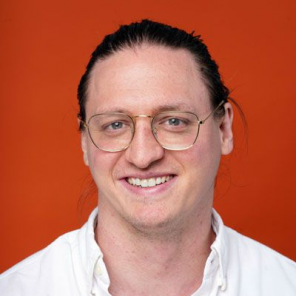
Nick Thieme is a statistician who creates rigorous data journalism with the goal of exposing and undoing systemic inequities by using the tools of statistics to discover reliable information. He has worked for The Baltimore Banner, The Atlanta Journal-Constitution, Columbia University, The National Science Foundation, and others.
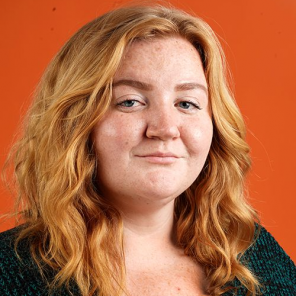
Jessica Gallagher is a staff photojournalist at The Baltimore Banner. Her career has taken her across the country, and with so many places she’s called home, it’s difficult to pinpoint just one. Prior to joining The Banner, Gallagher worked at The Greenville News, The Quad-City Times, and The Times-Georgian. She holds a Bachelor of Fine Arts in Professional Photography from the Brooks Institute.