The first Pulitzer Prize for reporting
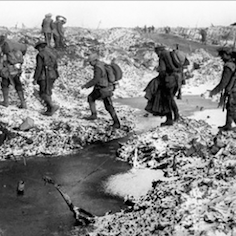
Some of the details may sound quaint today, but the story conveys the chilling disregard for human life that set the tone for the century to come.
Some of the details may sound quaint today, but the story conveys the chilling disregard for human life that set the tone for the century to come.
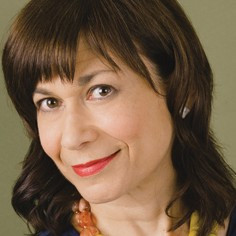
Plenty of tough on-the-ground reporting equipped me to become an architecture critic.
Please join us for a video tour of a century of prize-winning journalism, books, plays and drama.
A Pulitzer Prize juror measures the parallel lives of Samuel Johnson and Benjamin Franklin.
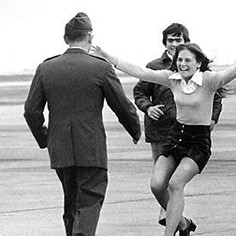
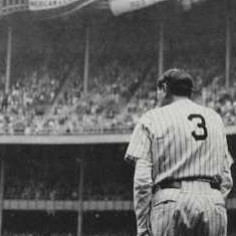
With the baseball season opening all around the country, we share a baseball photograph that won the Pulitzer Prize.
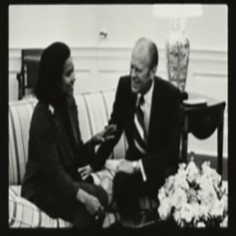
In a project on the African-American experience, reporter Shirley J. Scott wrote: 'As an adult Negro, you live in two worlds: the white world where you make your living; the black world where you make your friends.’
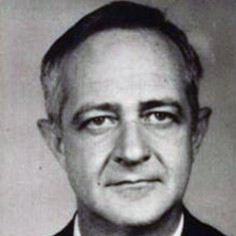
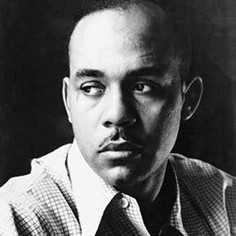
Ralph Ellison’s Invisible Man became a classic of American literature. While many critics recognized its quality when it came out in 1952, a Pulitzer Fiction juror went out of his way to trash the book.
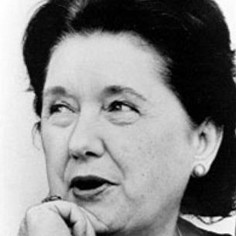
Hazel Brannon Smith’s views on civil rights evolved, and she paid a price for expressing them in her Mississippi weekly.
As arguments on marriage equality in Vermont gathered momentum, David Moats wrote a series of quiet, well-reasoned editorials that helped The Rutland Herald’s readers consider this issue.
After touching a nerve, a columnist gives his critics another earful.