Moises Saman, contributor, The New Yorker
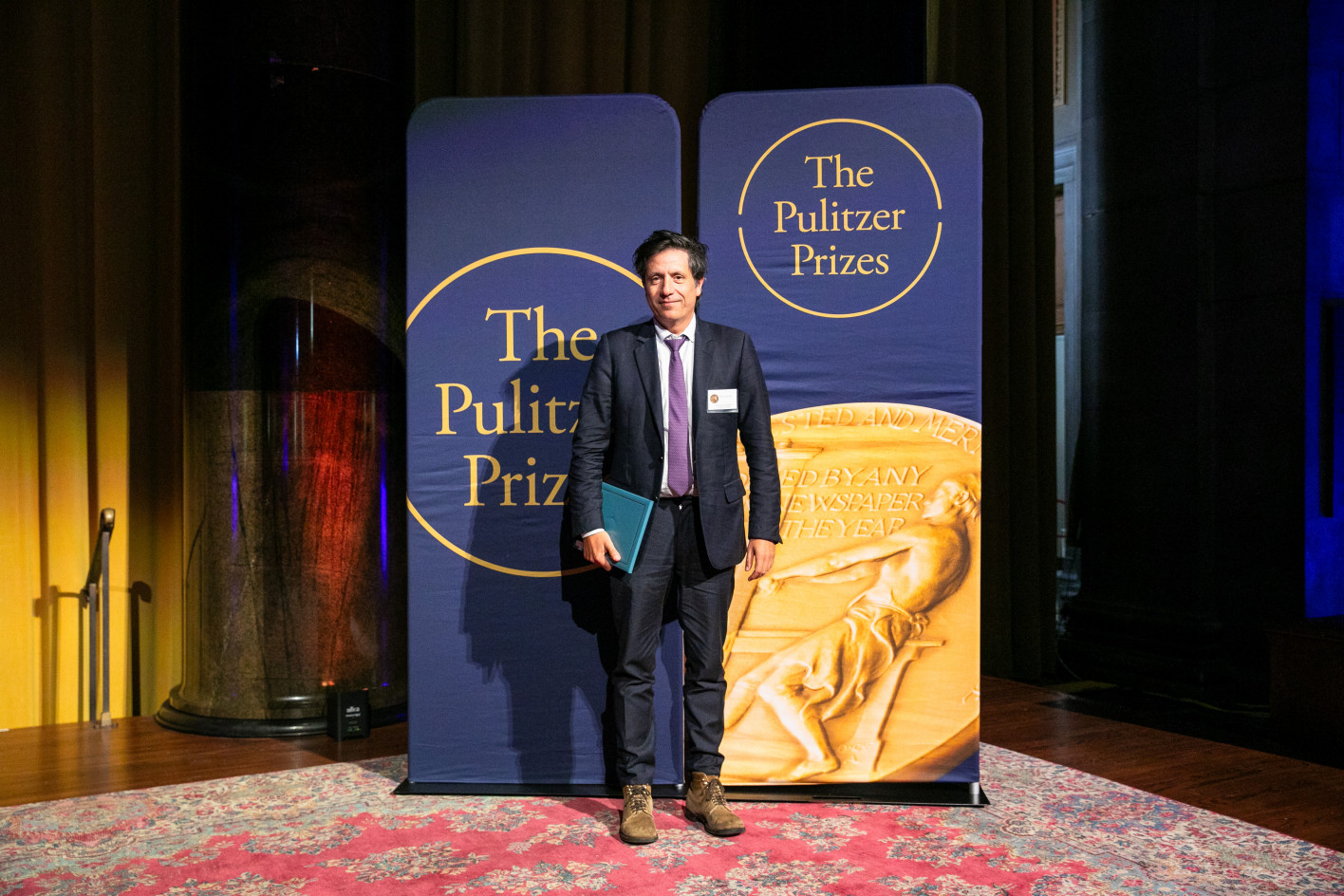
Moises Saman of The New Yorker accepts the 2025 Pulitzer Prize for Feature Photography. (David Dini/The Pulitzer Prizes)
Winning Work
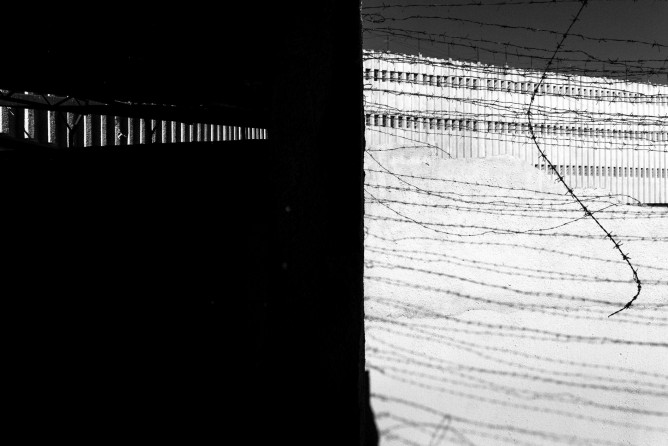
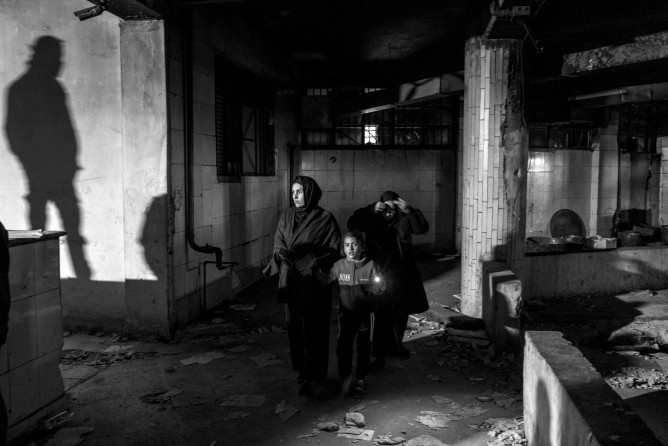
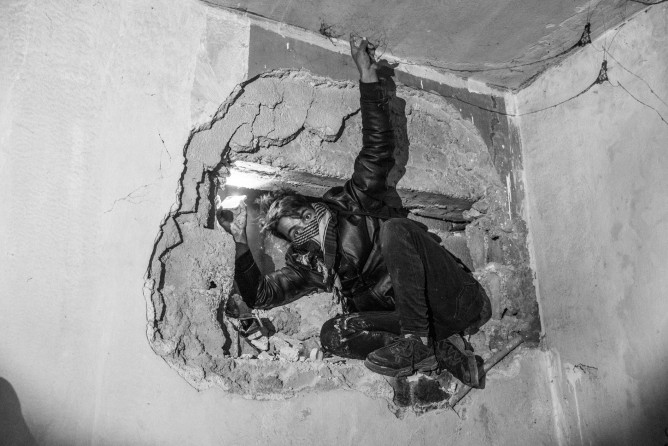
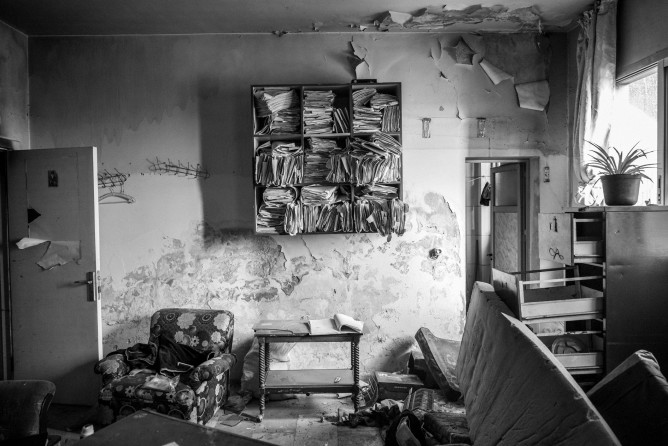
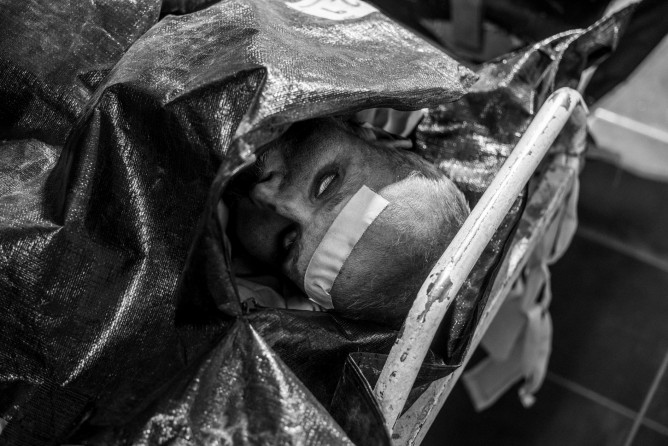
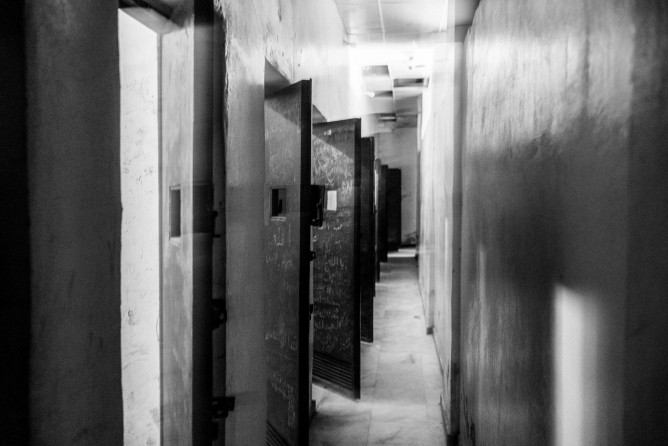
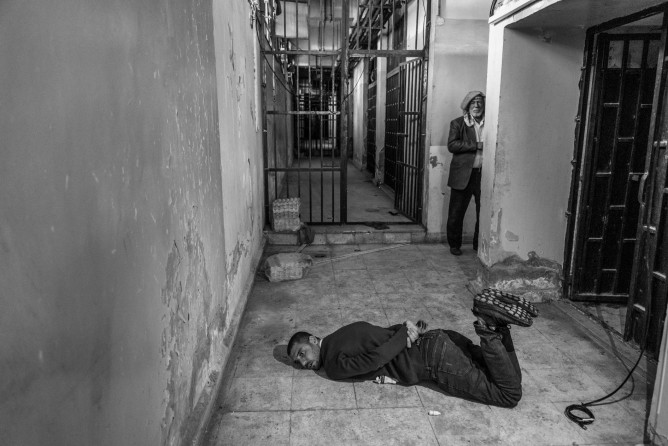
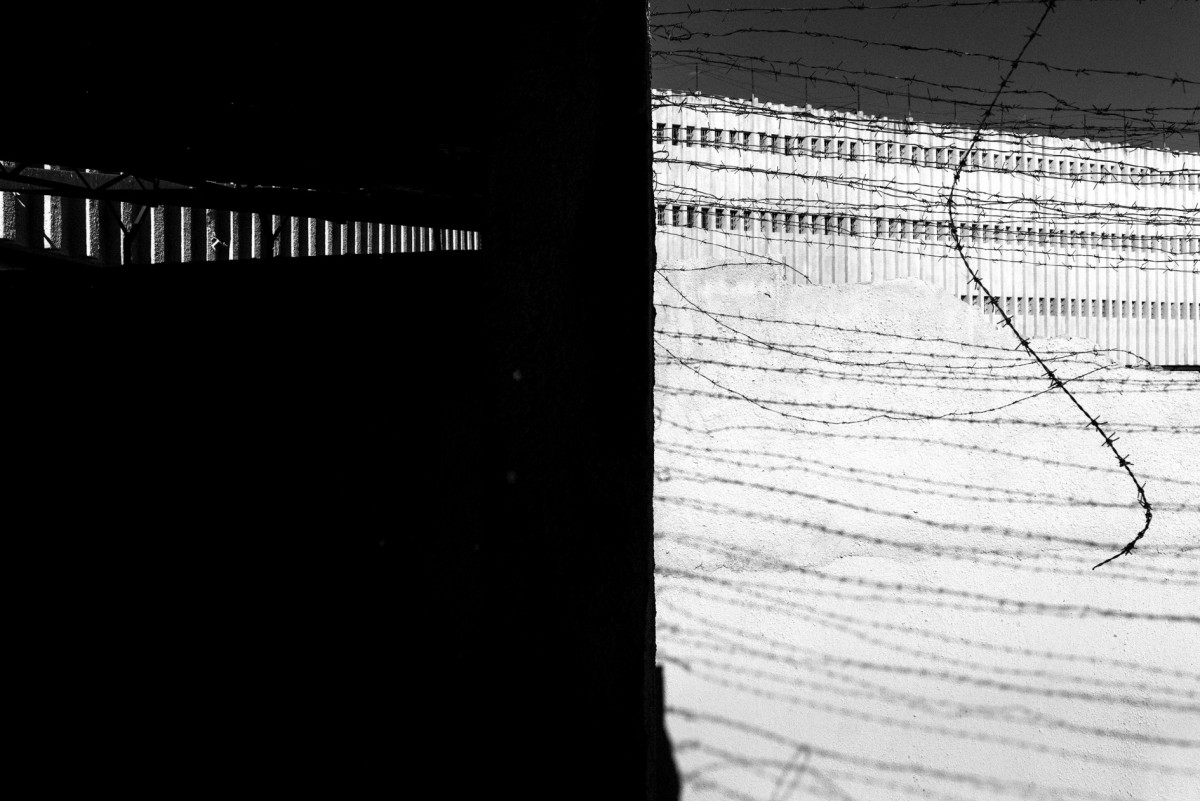
Sednaya, north of Damascus, is one of the most notorious detention facilities in the world. During the war, the regime held countless activists, political prisoners, and civilians at Sednaya, where they were subjected to starvation, torture, and extrajudicial killings.
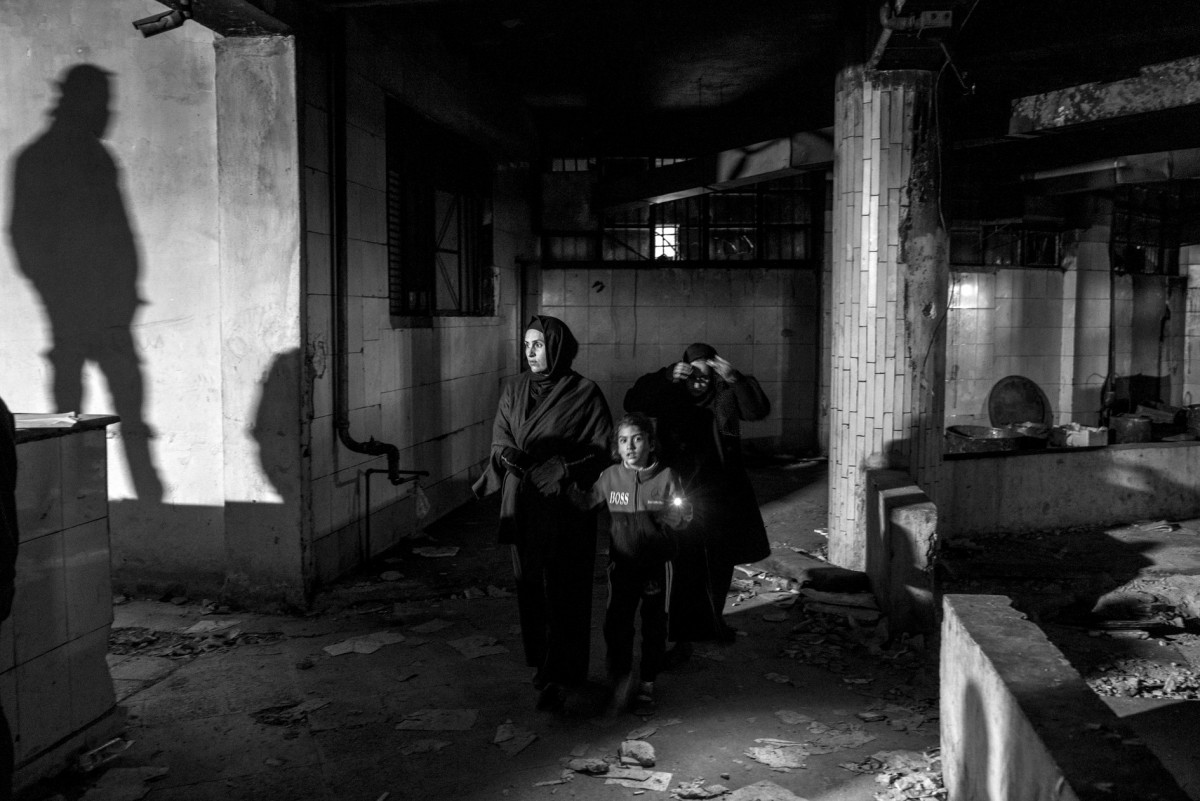
Families with missing relatives search inside Sednaya prison, after the end of the Assad regime.
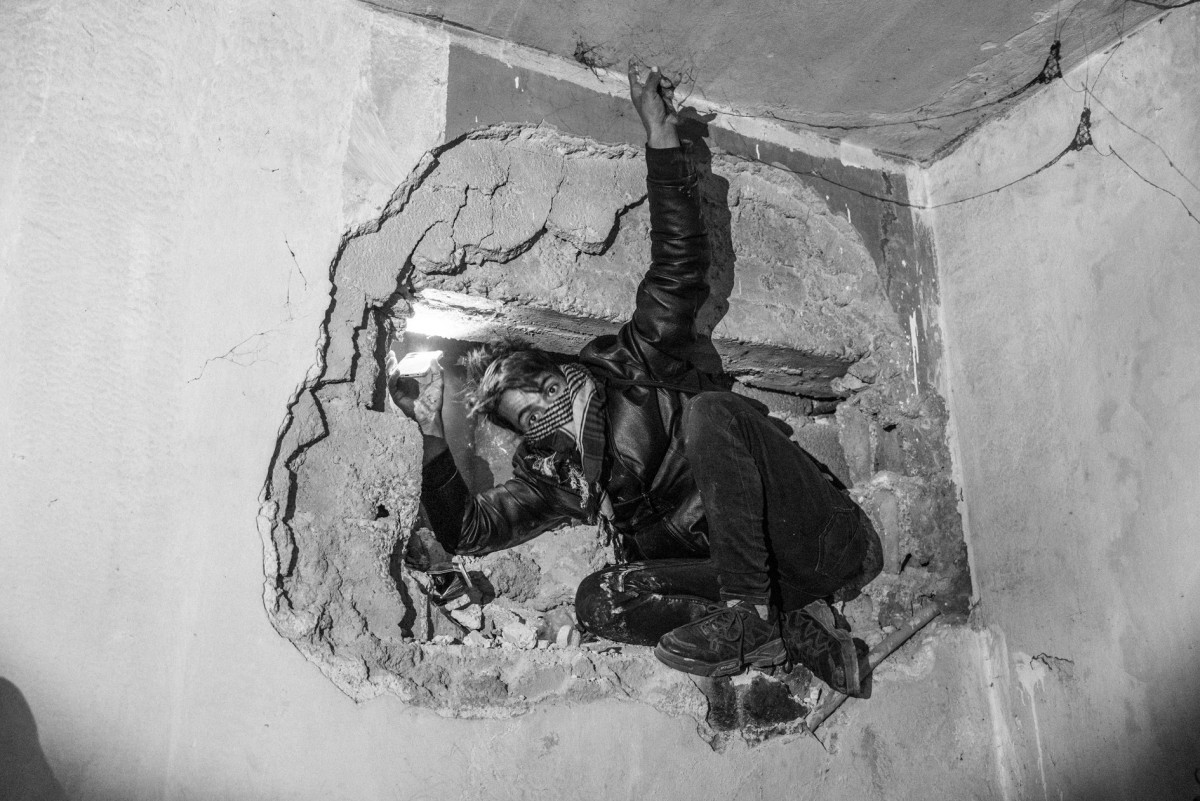
Guided by the smell of dead bodies, a man searches between the walls in Sednaya prison, on the outskirts of Damascus.
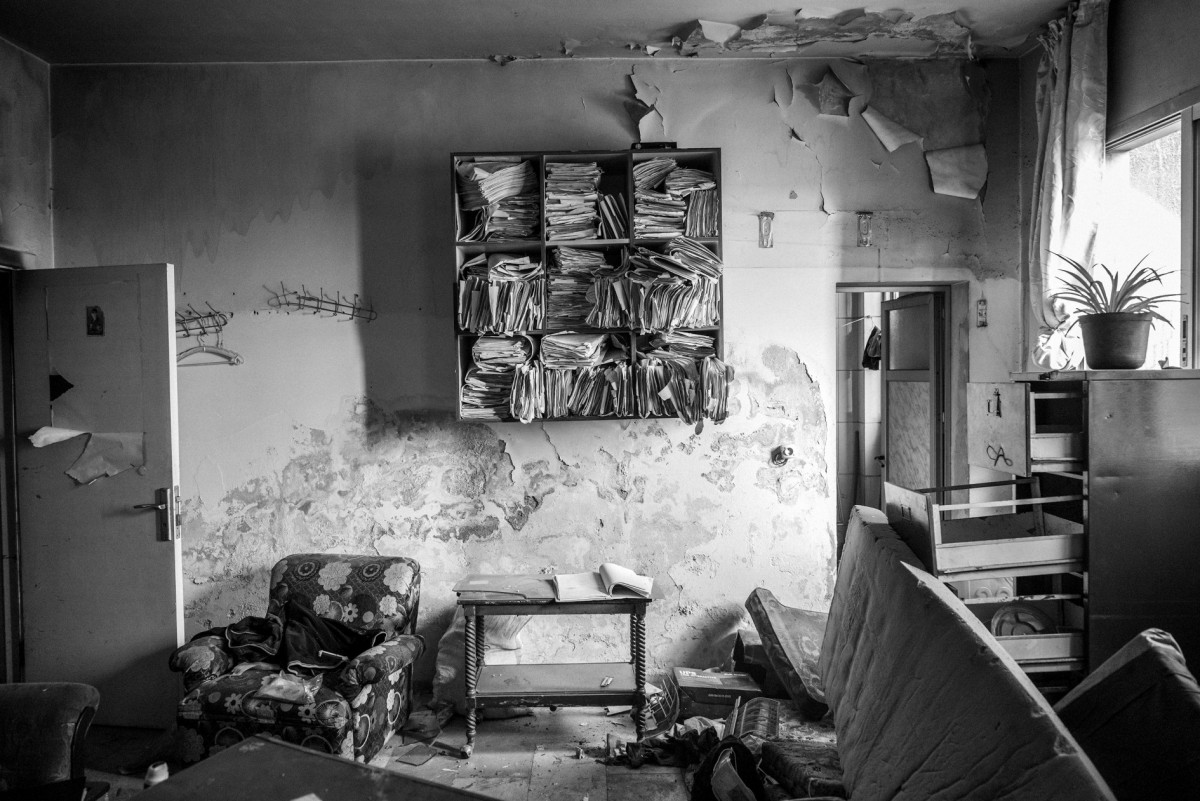
In an office at the Palestine Branch complex, desks are scattered with papers left behind by fleeing security officers. The documents, many marked with official seals and coded notations, contain clues to the regime’s atrocities. Some detail arrest orders and interrogation transcripts, and others bear the names of prisoners or records of surveillance operations.
In an office at the Palestine Branch complex, desks are scattered with papers left behind by fleeing security officers. The documents, many marked with official seals and coded notations, contain clues to the regime’s atrocities. Some detail arrest orders and interrogation transcripts, and others bear the names of prisoners or records of surveillance operations.
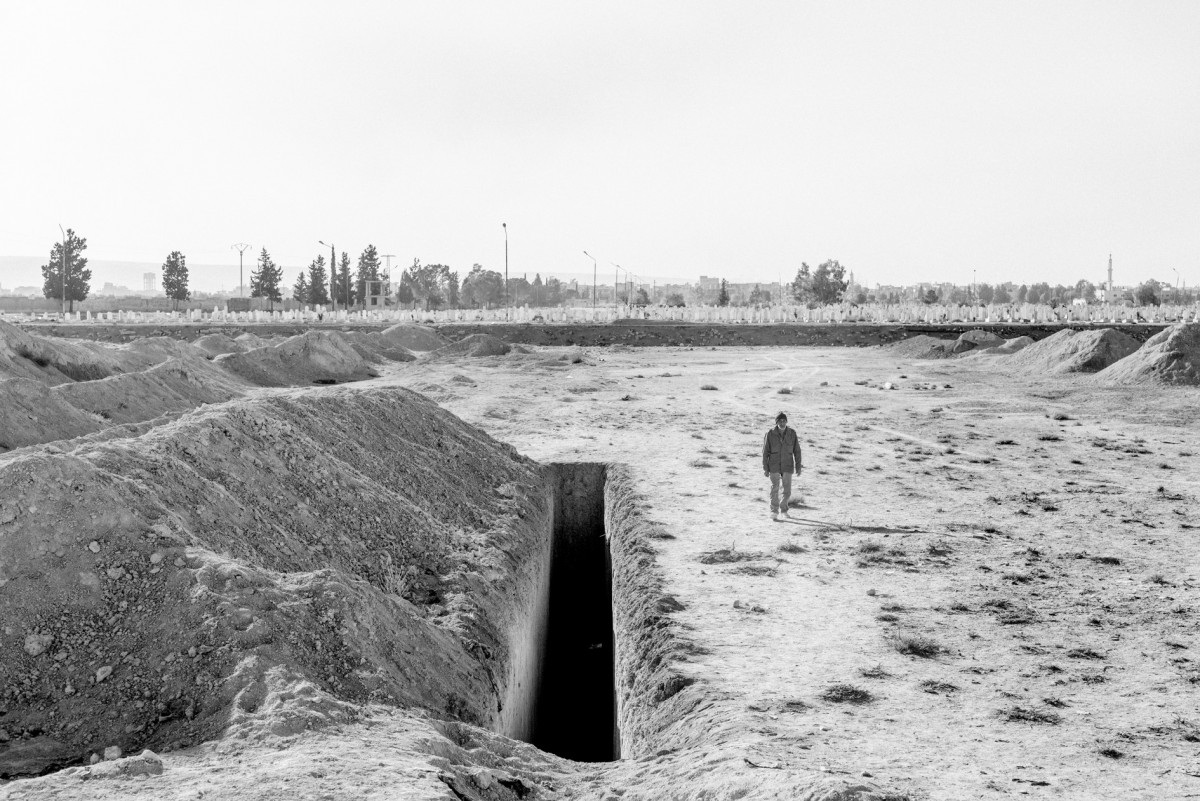
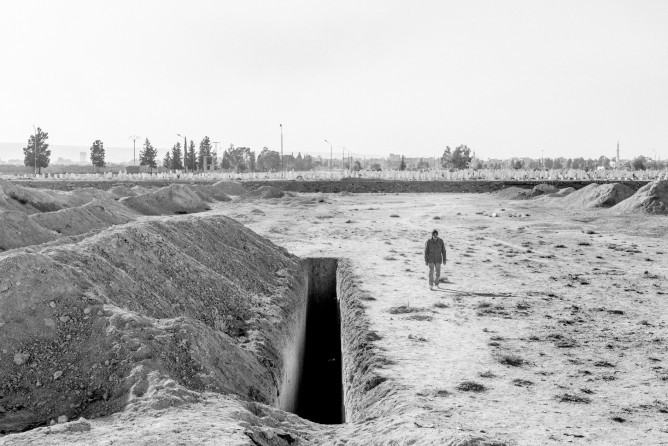
An empty mass grave, dug by the regime’s forces on the outskirts of Damascus, is flanked by others which were evidently already used to conceal the bodies of victims.
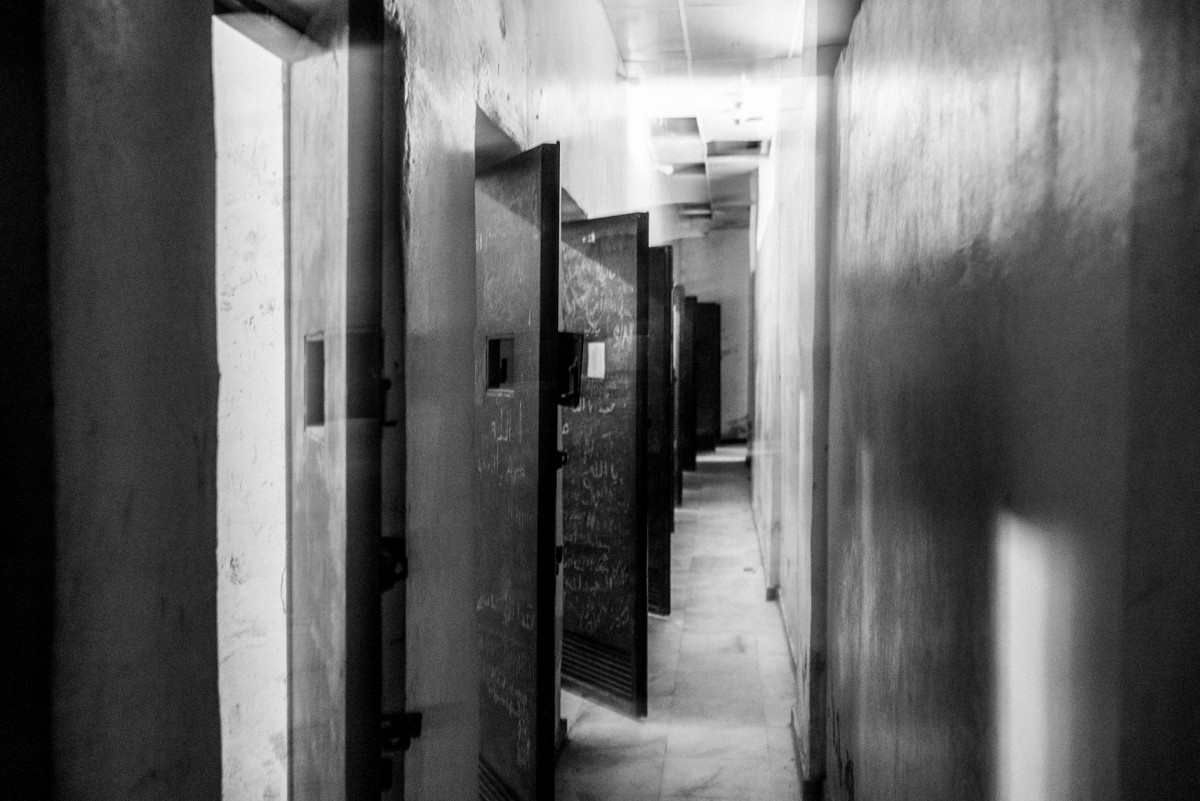
In a basement beneath the Mezzeh airbase, in Damascus, the regime held opponents in cramped, windowless cells. The facility was notorious for its brutal treatment of prisoners. Among those imprisoned and tortured there was the noted activist Mazen al-Hamada.
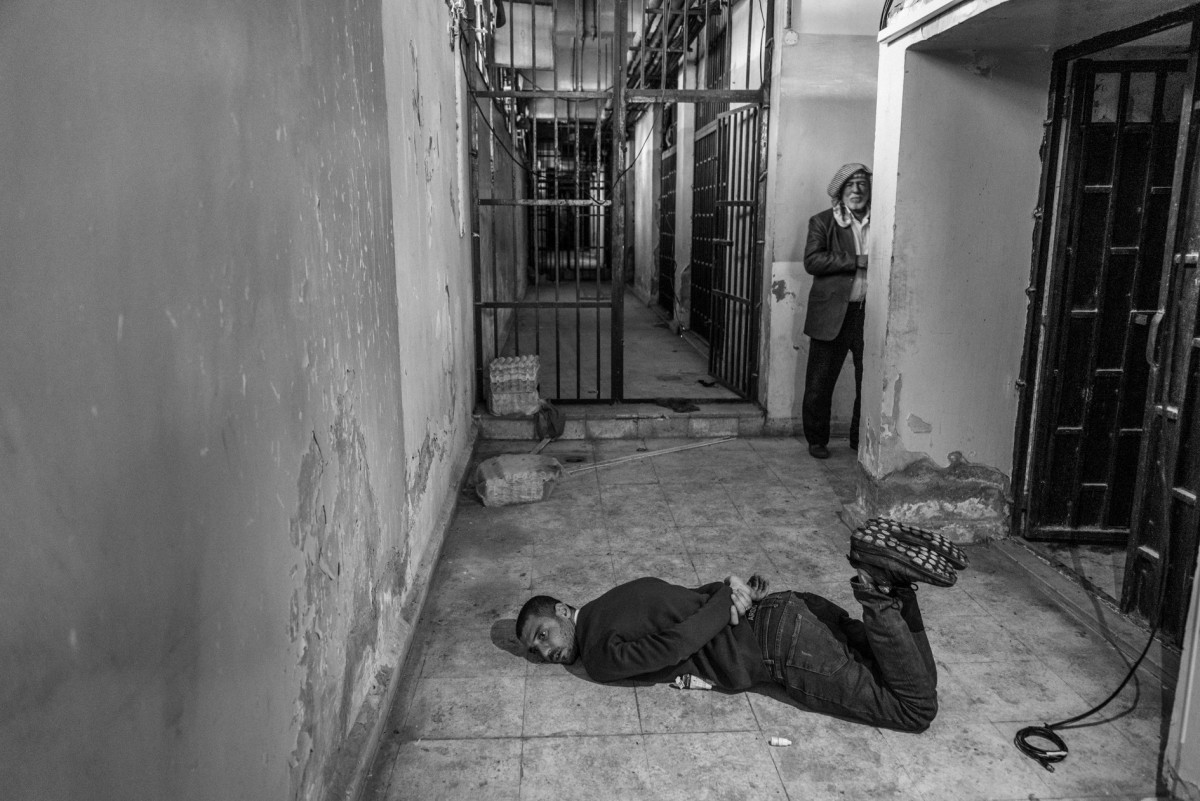
Motasem Kattan, a former detainee in the Palestine Branch, reënacts his ordeal, as his father looks on.
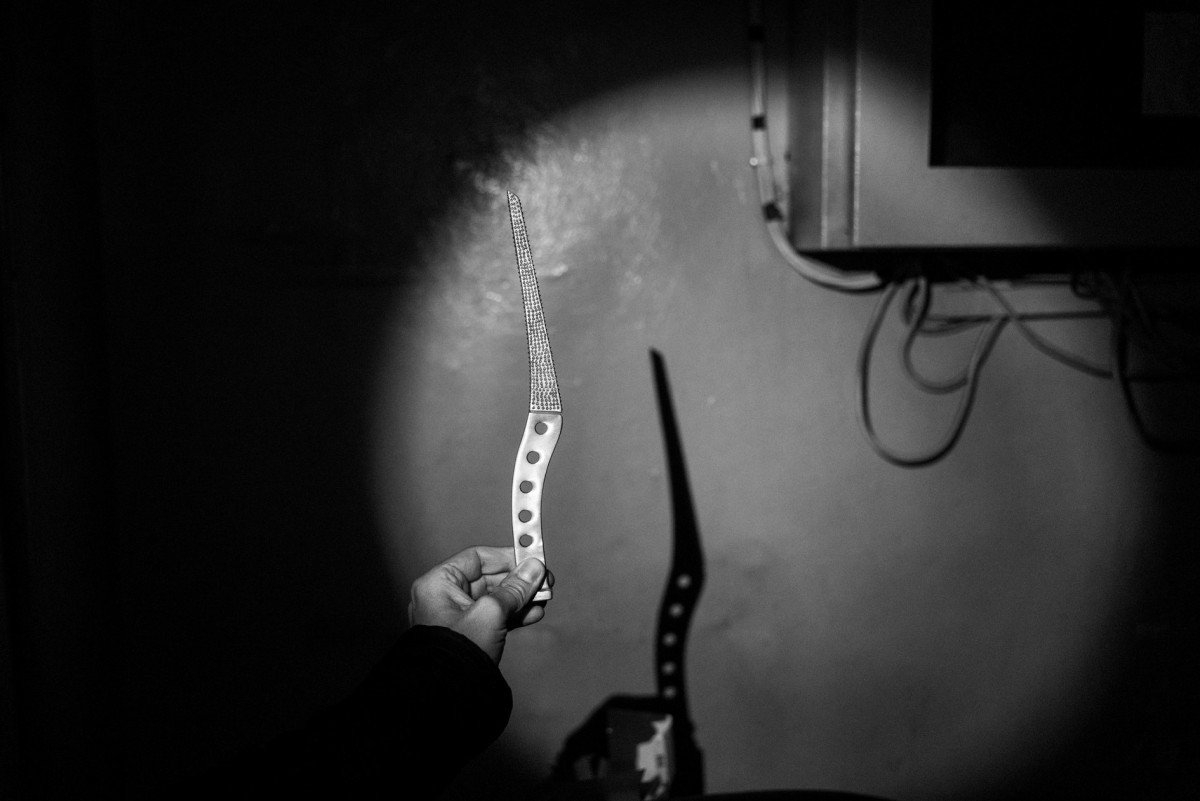
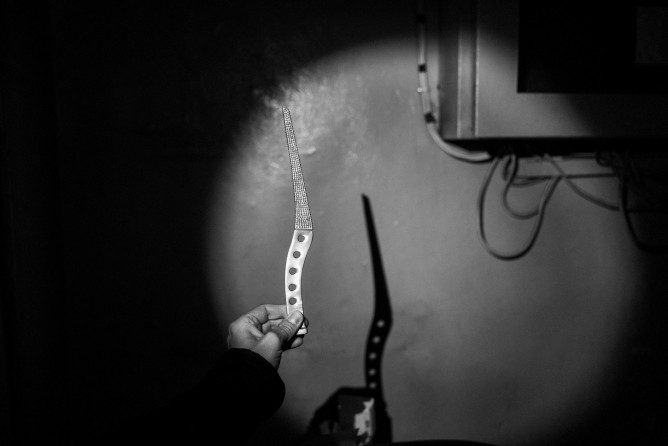
A torture implement found in the basement of the Al-Khatib prison, operated by Syrian intelligence services. The prison, in a middle-class Christian neighborhood of Damascus, was concealed from view—but people who live nearby say that they sometimes heard the screams of detainees.
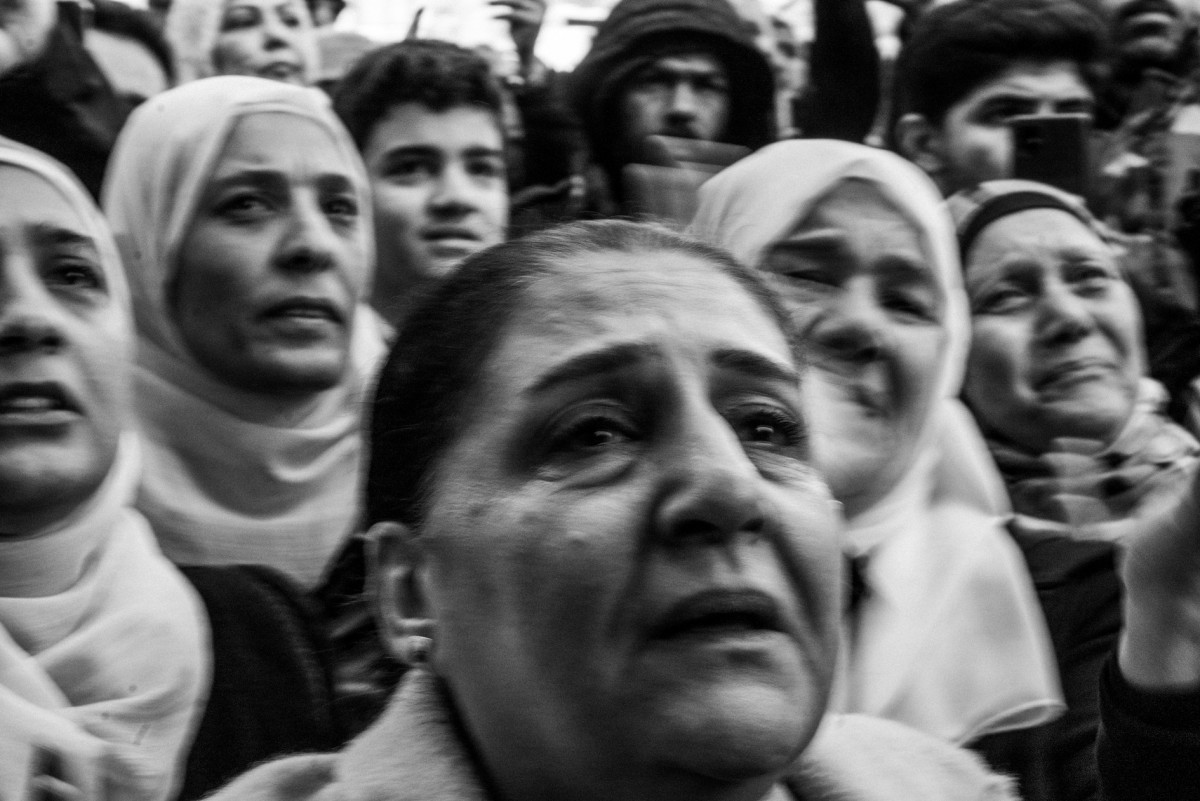
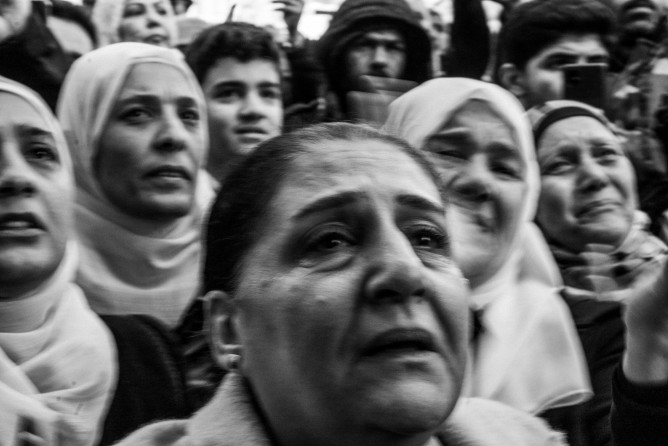
At a funeral ceremony for the activist Mazen al-Hamada, hundreds of relatives and sympathizers gathered to mourn and to project solidarity. His sister-in-law, Majida Kaddo (center), was unable to see him for years, before his remains were discovered near Damascus.
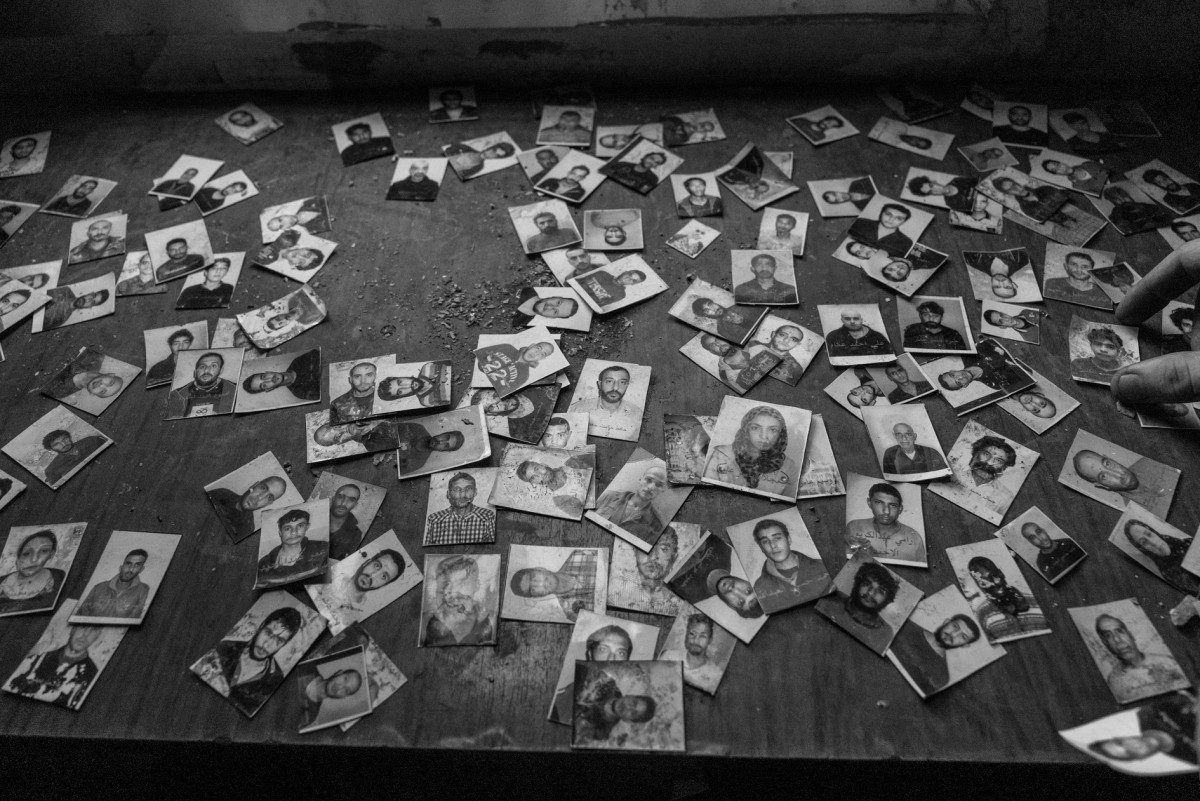
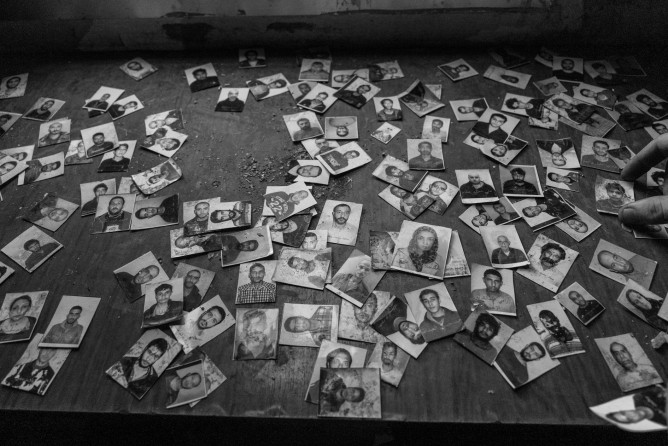
Visitors to the Palestine Branch found photographs of prisoners, likely taken during intake procedures or interrogations. For many detainees, the expressions captured here—some staring blankly at the camera, others visibly afraid or defiant—may be the only remaining trace of their existence.
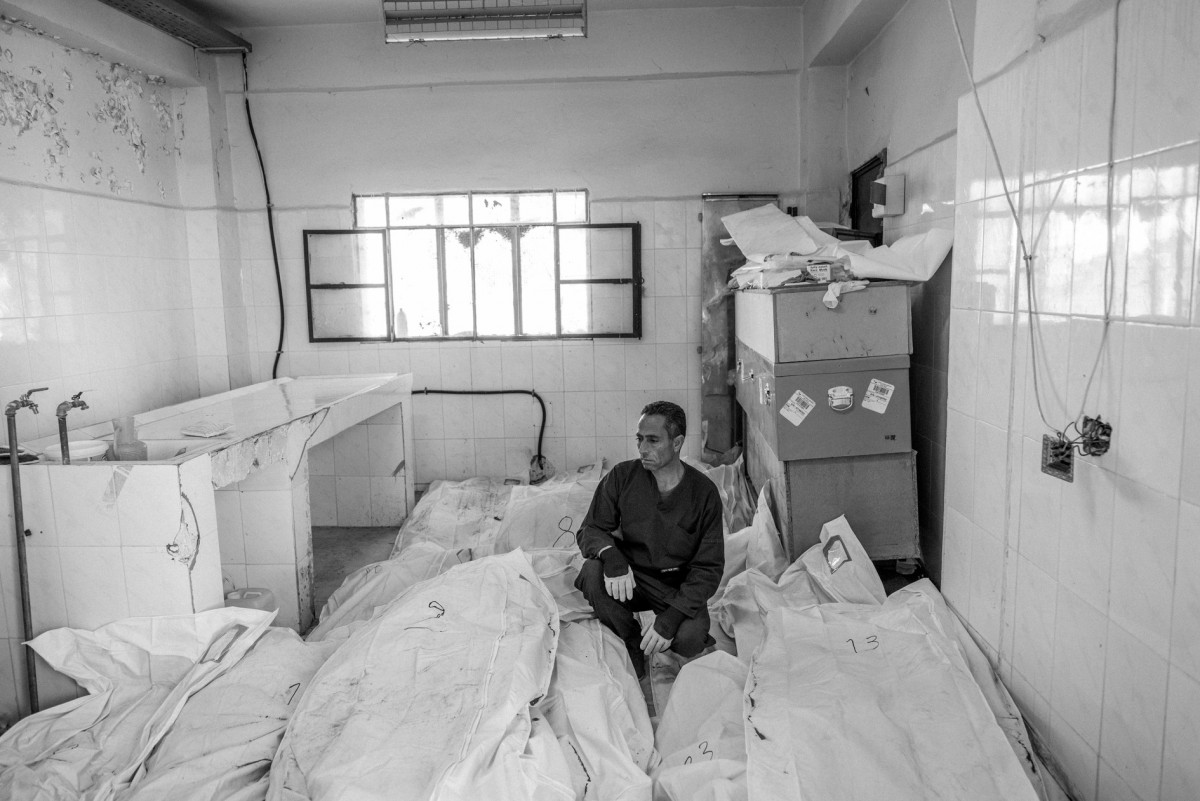
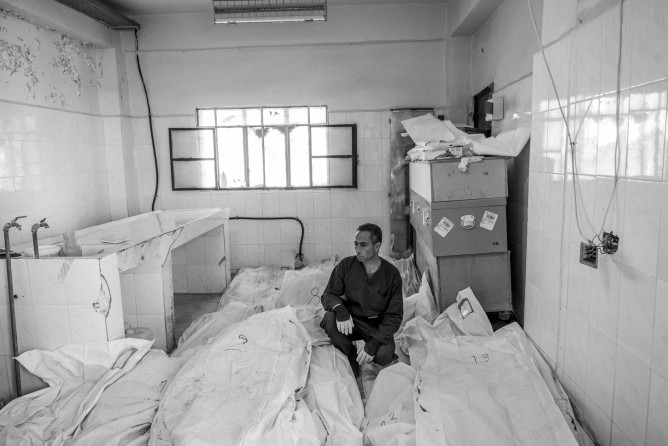
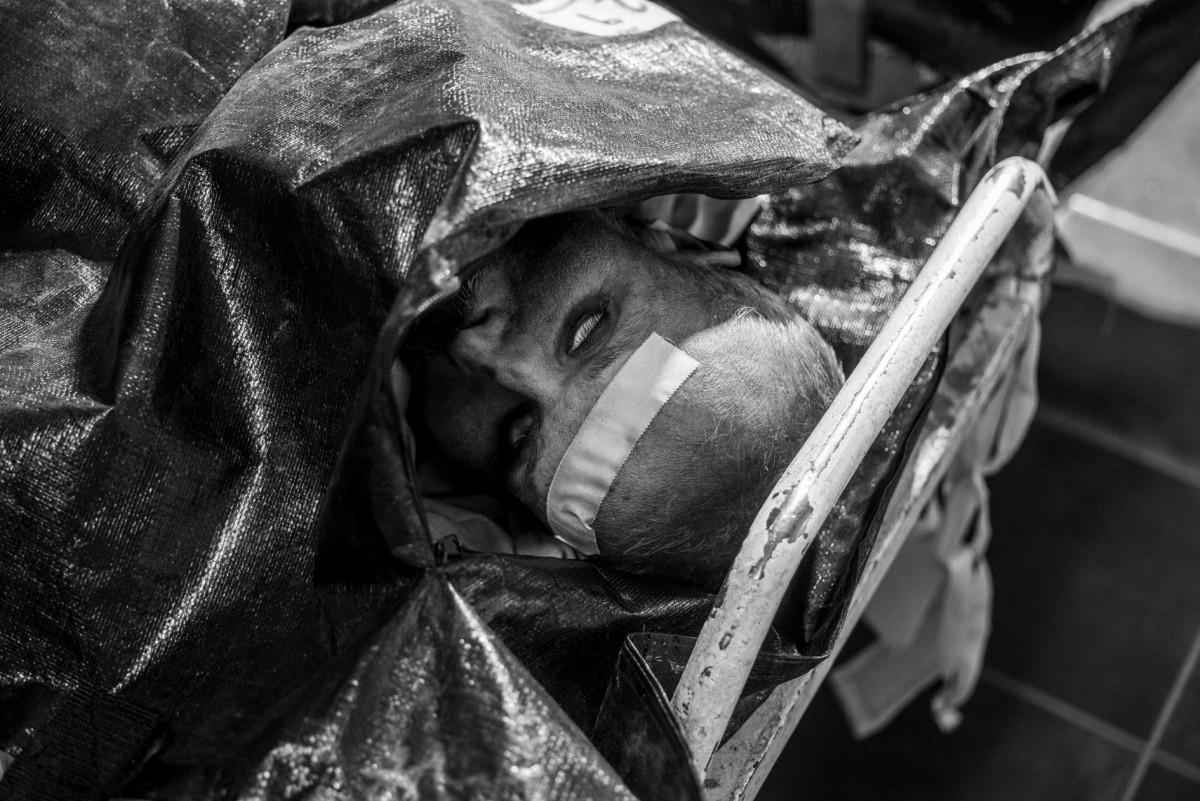
Dozens of bodies recovered from a mass grave on the outskirts of Daraa are stored in a morgue in the town of Izra.
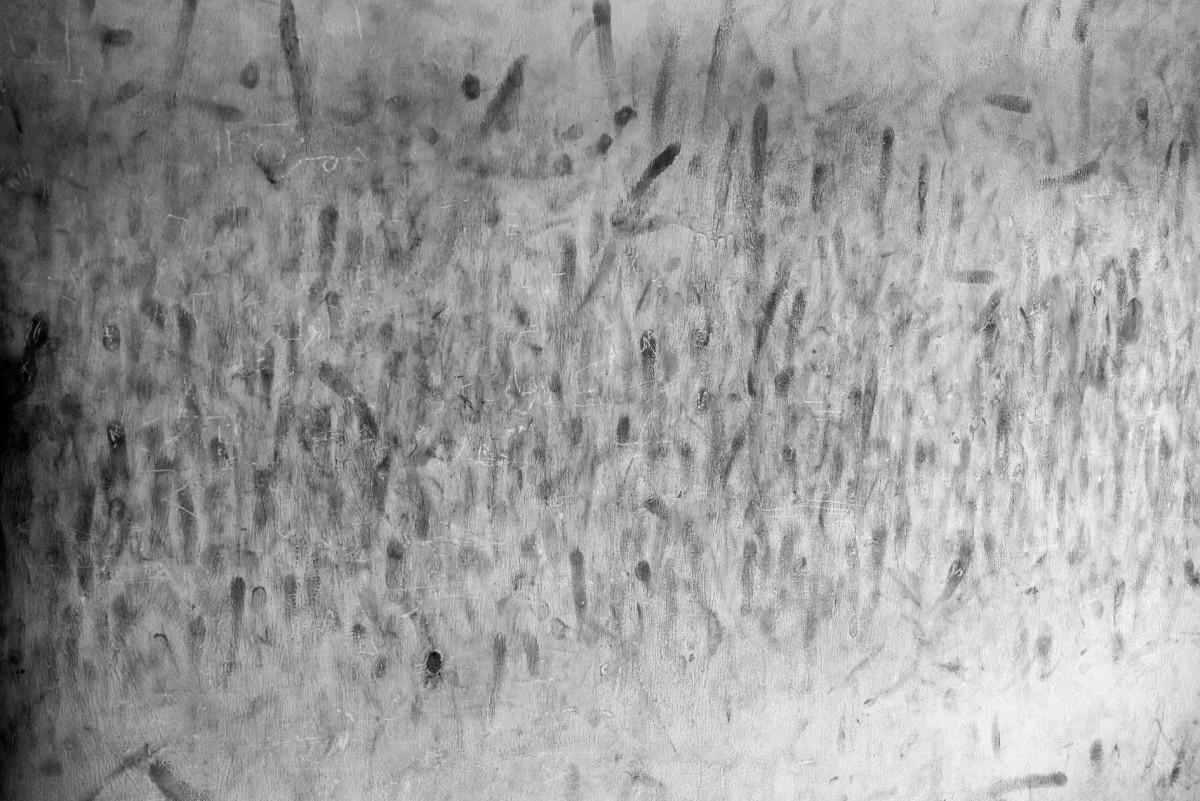
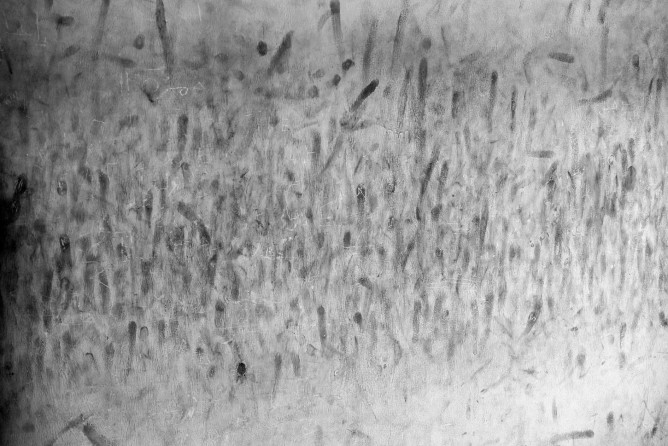
Smudged thumbprints cover a wall in the Palestine Branch, left by detainees going through registration or identification procedures.
Biography
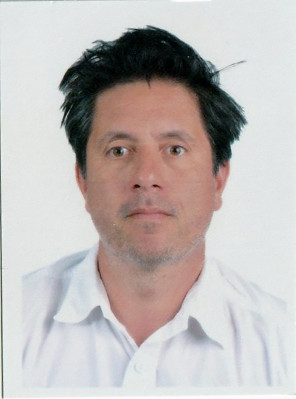
Moises Saman (b.1974, Lima, Peru) is a documentary photographer and member of Magnum Photos currently based in Amman, Jordan. Over the past two decades, his work has been deeply rooted in the Middle East, chronicling some of the region’s most transformative and turbulent moments. From the aftermath of 9/11 and the U.S. invasion of Iraq to the Arab Spring uprisings, the rise of ISIS, and the devastating Syrian civil war, Saman has documented not only the frontlines of conflict but also the profound human stories that emerge from the shadows of war and revolution.
Saman’s work has earned numerous accolades, including a Guggenheim Fellowship in Photography (2015), the W. Eugene Smith Memorial Fund Award (2014), the Henri Nannen Prize (2014), and multiple World Press Photo awards (2004, 2007, 2014). He has also received recognition from Pictures of the Year International (2012, 2014, 2015). His photography frequently appears in leading publications such as The New Yorker, The New York Times Magazine, National Geographic, and TIME.
His first monograph, Discordia (2016), presents a raw, non-linear visual exploration of the Arab Spring and its aftermath, capturing the disillusionment and chaos that followed revolutionary fervor. His latest book, Glad Tidings of Benevolence (2023), spans more than 20 years of work in Iraq, abnd examines the dissonance between U.S. narratives of liberation and the lived realities of those left in the aftermath of war. Blending original photographs with archival materials, redacted military transcripts, and cultural references of the Iraq War, the book’s experimental format invites readers to reflect on the competing narratives that shape our understanding of conflict and history.
Saman’s work remains a testament to his enduring empathy and commitment to capturing the humanity behind history’s most tumultuous events.