Finalist: Gabrielle Lurie of the San Francisco Chronicle
Nominated Work
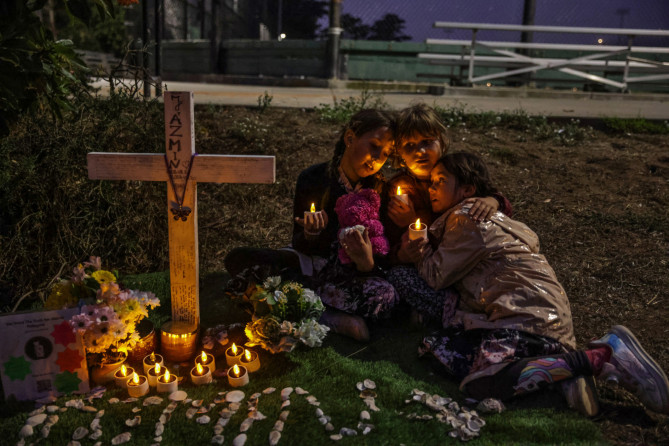
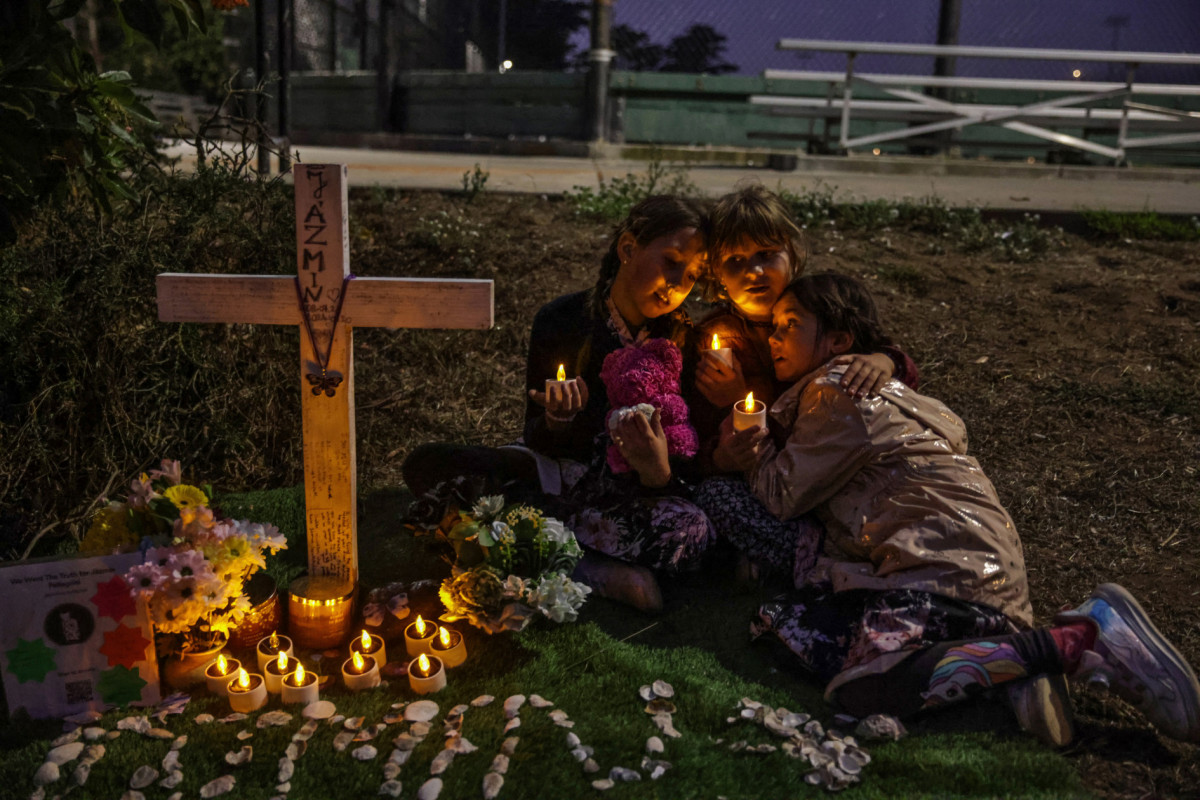
Jázmin Pellegrini was 15 when she was found dead on a San Francisco driveway from a fentanyl overdose, after a two-year descent into severe mental illness and drug use triggered by childhood sexual trauma. Even as she struggled, her mother, Marta, said she would see glimmers of the happy child Jázmin had once been — a girl who loved animals, painting, basketball and riding skateboards. Jázmin’s five siblings, devastated by the loss of their beloved sister, often find comfort in sleeping in her bed, using her pillows. Her sisters Hanga Barany (left), Malna Baramy (right), and cousin Adelynn Hadju, hold candles as they sing at a memorial the family erected near where Jázmin’s body was found. She was the youngest fentanyl overdose death recorded in San Francisco. (Photographed Sept. 7, 2024; Published Feb. 26, 2025)
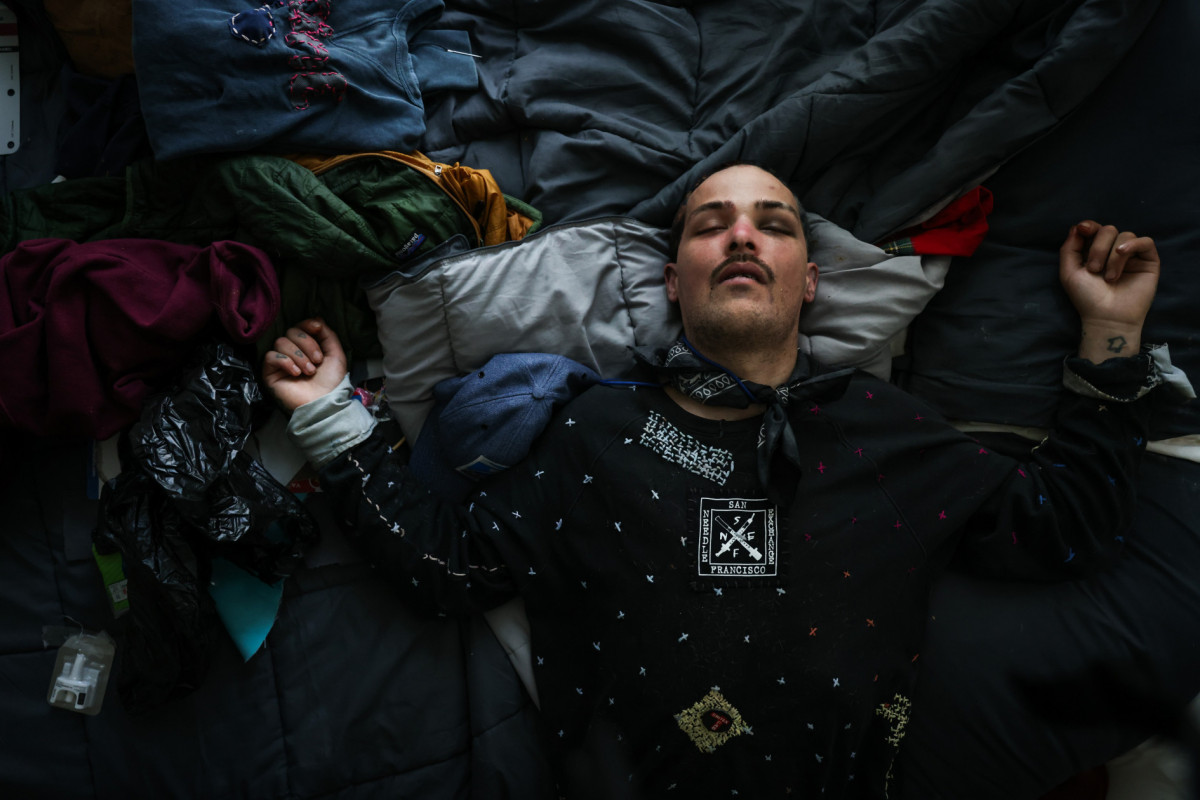
Austin Draper is a creative and compassionate young man but his life has become a brutal cycle of survival and relapse. Over the past four years, the 35-year-old has been diagnosed with endocarditis, a deadly heart infection caused by injecting drugs likes fentanyl, leading to three open-heart surgeries, the insertion of a pacemaker, nine toes lost to gangrene and months of hospitalization — care that has cost over a million dollars. Despite having stable housing, attentive medical care and a network of friends trying to help, Austin remains trapped by what he calls “the perfect relationship” with drugs. “Imagine if you had a partner that no matter what you did they were always there for you,” he said. “When I use (drugs), it’s the equivalent of that for me.” (Photographed Sept. 9, 2025; Published Oct. 16, 2025)
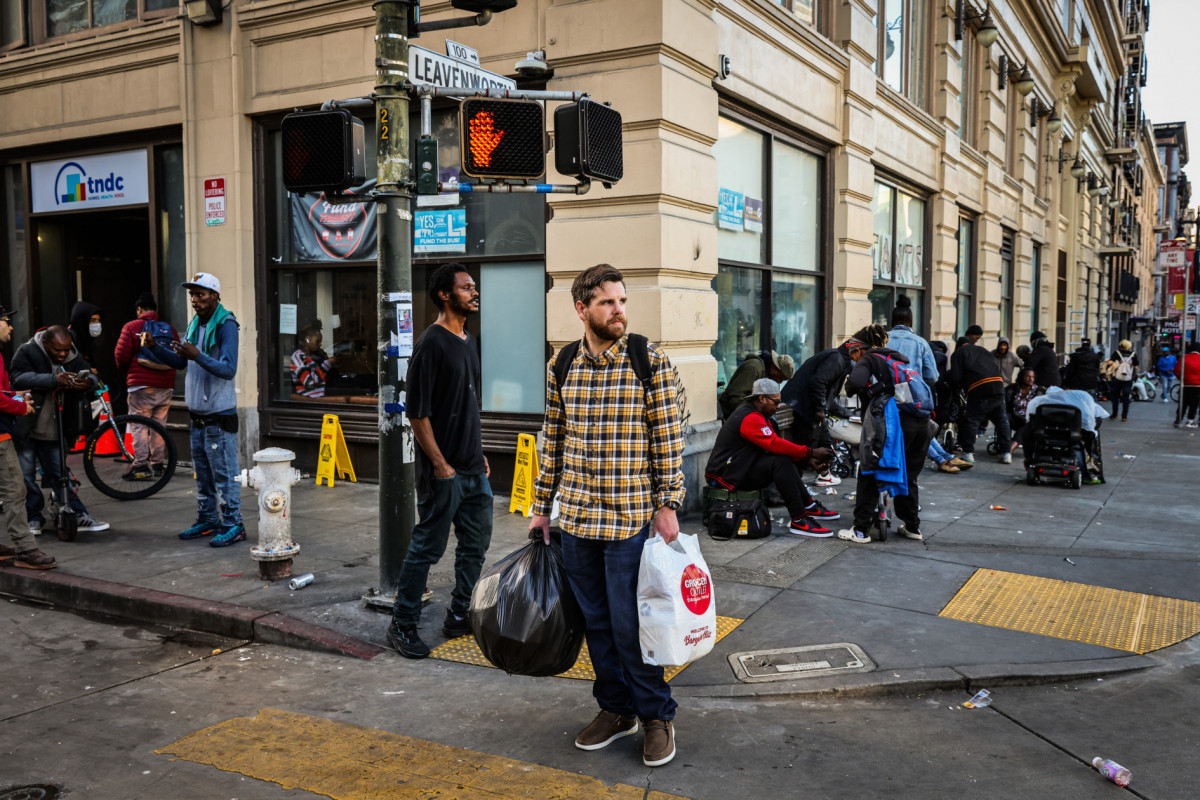
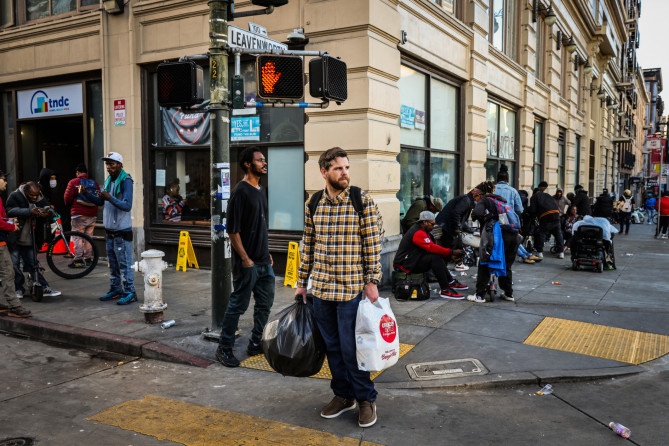
After a decade of opioid addiction and five years living unhoused on San Francisco’s streets, Evan Carver arrived at San Francisco’s Harbor Light rehab center in early April unsure he could quit fentanyl for good — but certain he wanted to “stop hurting.” At 35, he was frail, his legs swollen and covered in open sores, and he was weighed down by what he described as years of shame and guilt. “It’s not hard to be an addict here. They give you just enough help to hang yourself.” Evan relapsed during his previous program after having to pass drug markets each day for methadone, describing it as “walking through the gauntlet.” Now sober, living in a Salvation Army–run home and slowly rebuilding his life, Evan admits the path ahead is uncertain. “I know there are going to continue to be triggers,” he said, “but I just keep reminding myself how much better my life is going to be if I can keep going.” (Photographed Nov. 6, 2025; Published Dec. 4, 2025)
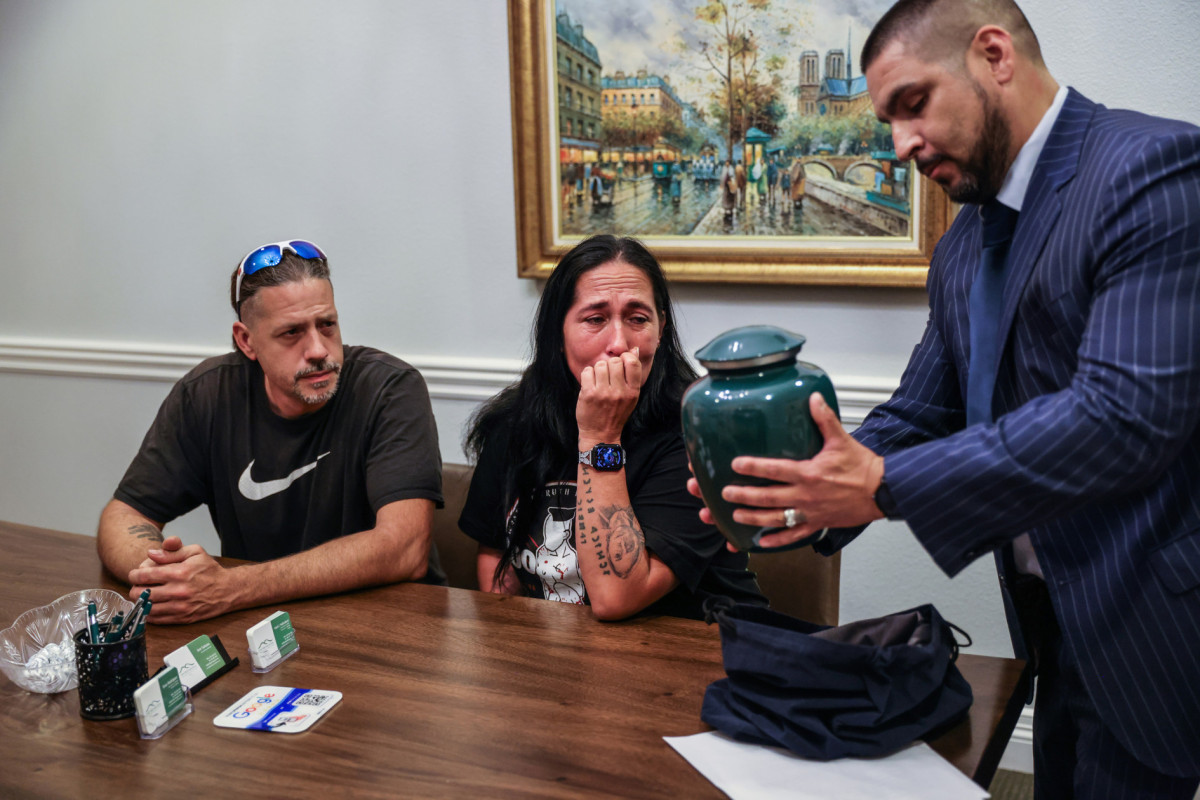
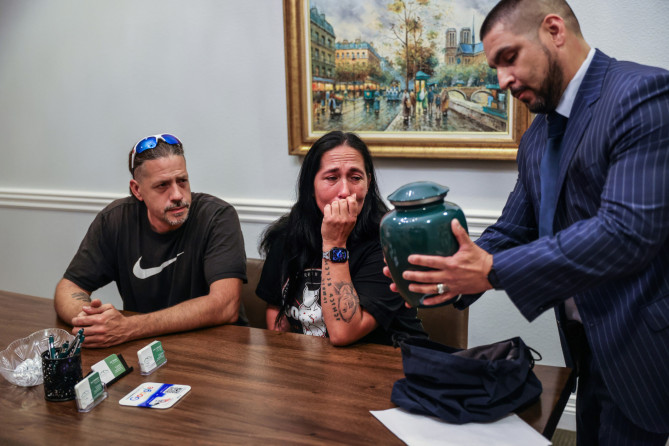
Two days after Jázmin ran away from home, her body was found in a San Francisco driveway. At first, neighbors on the steep street of worn, pastel row homes thought she might be homeless and sleeping. But when they turned her over, she didn’t move. Her arms were marked by scars. She had braces on her teeth. Police soon identified the girl by her fingerprints. “They said, ‘Jázmin is dead,’ and the whole world went black,” her mother, Márta Bárány, said. “I just couldn’t believe it. I heard their words, but I did not believe it.” Jázmin’s stepfather Sandor Bárány (from left) and mother Márta Bárány are overcome with emotion as Jose Santana shows them an urn with her remains at Diablo Funeral Home in Concord, a Bay Area suburb. (Photographed June 12, 2024; Published Feb. 26, 2025)
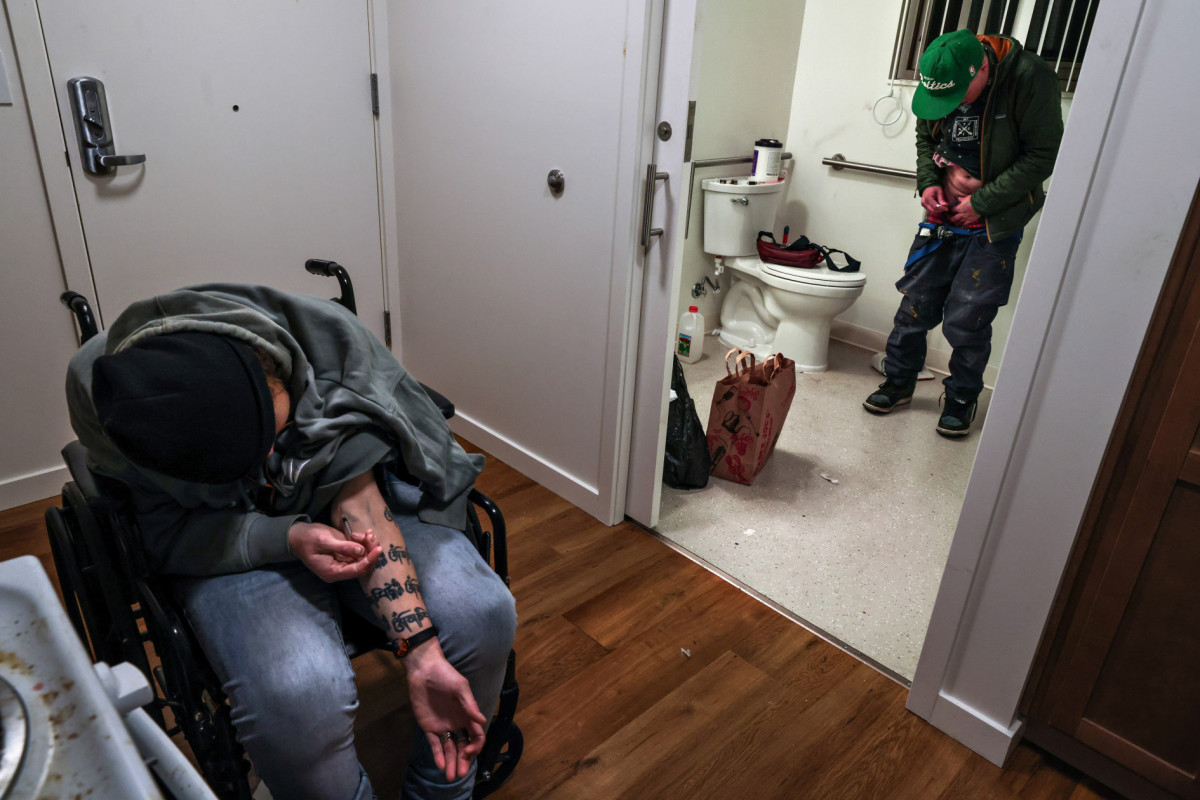
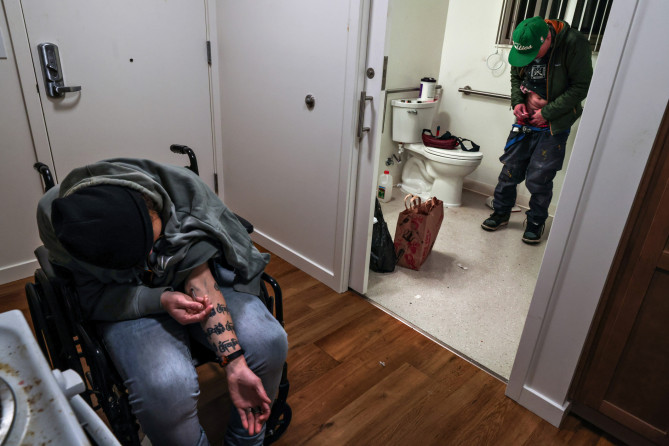
Austin Draper, right, and his friend Brian Wheelihan shoot fentanyl into their veins in Austin’s studio apartment, despite Austin being advised not to use IV drugs because of his past endocarditis infections and the grave risk of contracting it again. “I just couldn’t resist it,” he said. “In my head, sobriety sounds easy, but when it actually comes down to it, it’s just incredibly difficult.” (Photographed August 4, 2025; Published Oct. 16, 2025)
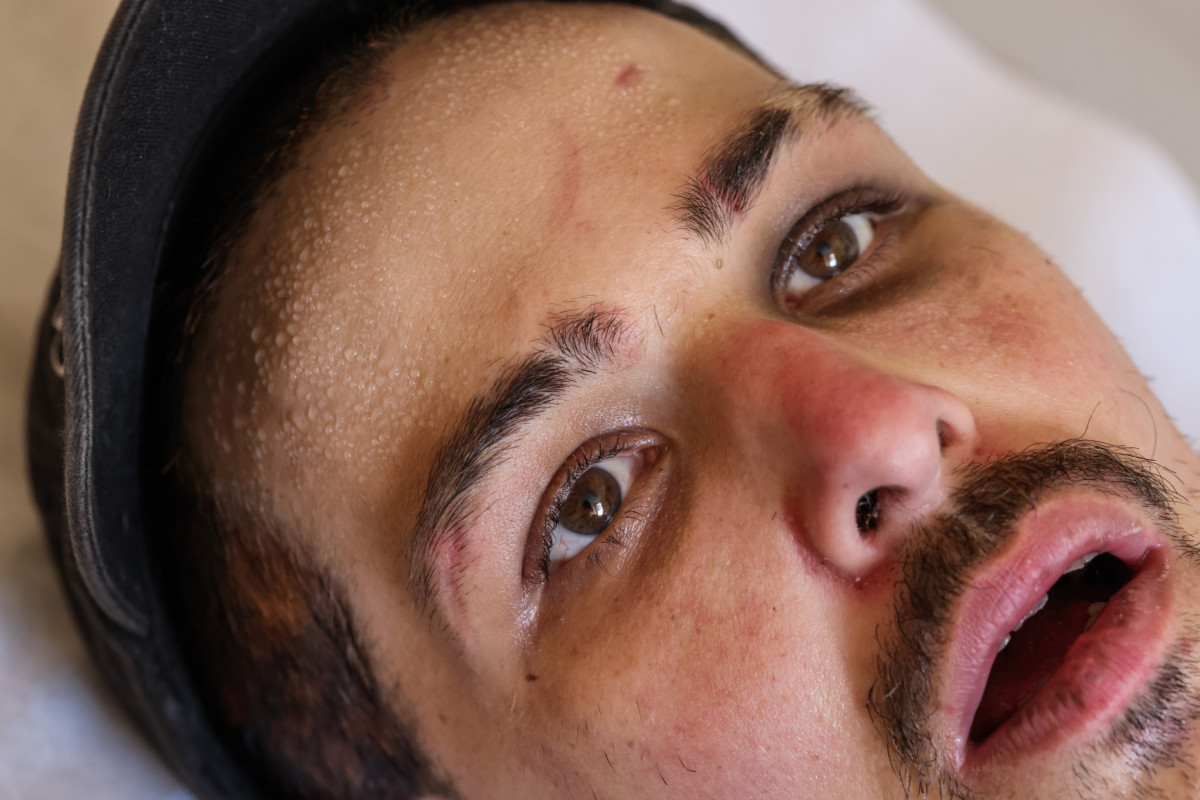
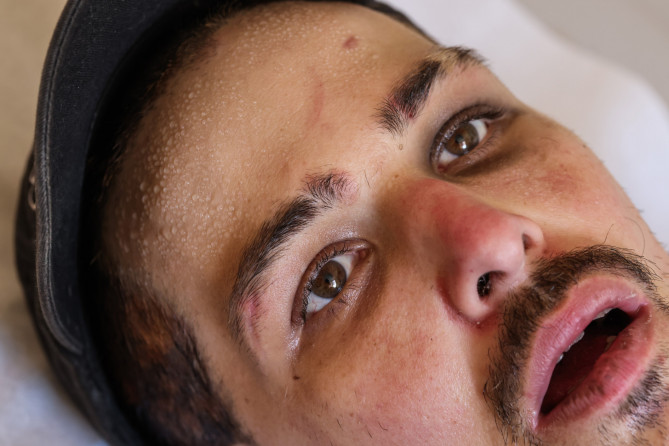
Austin Draper’s face pools with sweat after not using drugs for several days in an attempt to use less, as he waits to see a doctor and admits, "I don't want to die." (Photographed Sept. 15, 2025; Published Oct. 16, 2025)
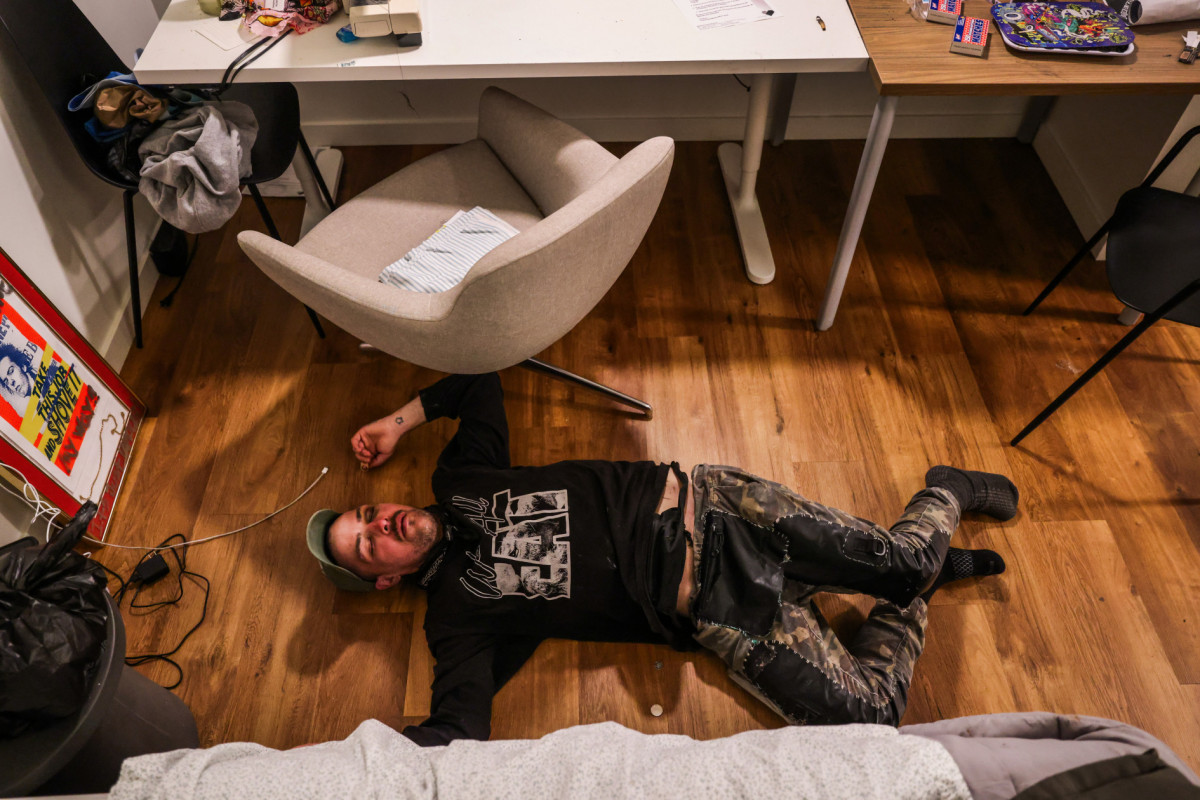
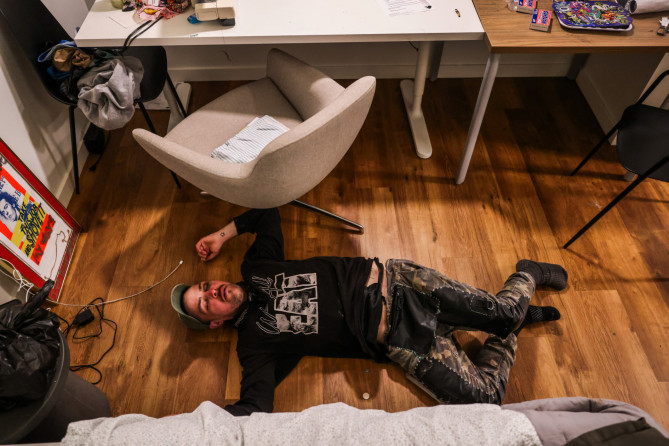
After using fentanyl, Austin Draper falls to the floor of his apartment, a high that he later described as feeling like “The whole world could be falling apart around me, and I would feel fine.” Austin grew up in a comfortable home in Santa Monica. His parents worked in entertainment, he attended a private high school, and he spent his spare hours skateboarding. But that stability crumbled his senior year when the Great Recession hit. His family lost its home and his mother stopped working. Soon, both Austin and his parents fell deep into drug addiction. He continues to use, in part, to cope with his parents’ deaths. (Photographed July 10, 2025; Published Oct. 16, 2025)
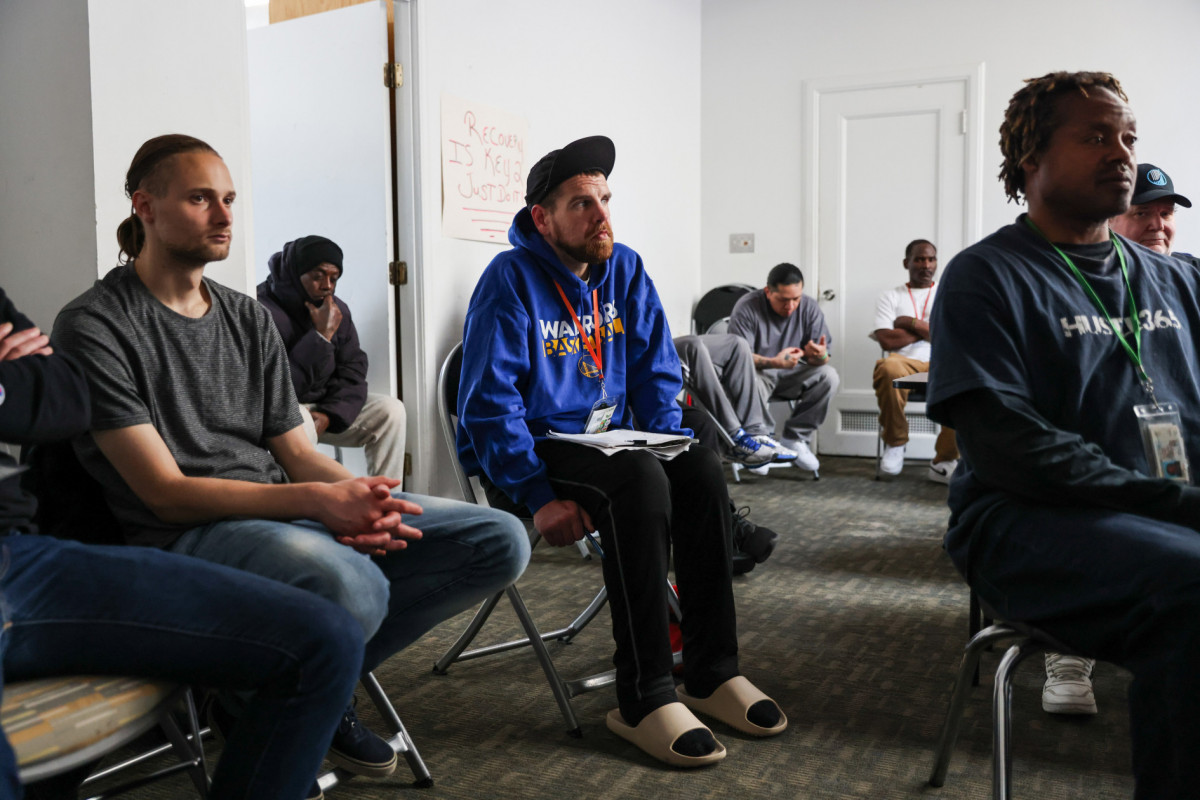
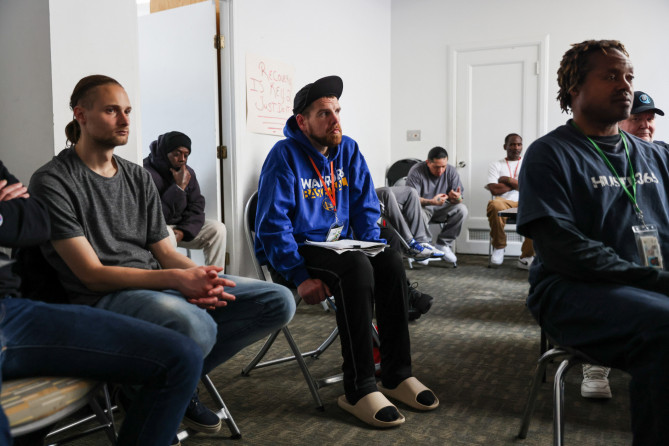
Evan Carver, center, listens closely during class at Harbor Light, a drug and alcohol rehabilitation facility, where they discuss family patterns of behavior and wiring of the brain in relationship to drugs and love, during his second month of getting sober. When a Harbor Light leader told participants that “the only thing you have to change is everything,” Evan took the words to heart and carried them with him. Over six months in treatment, he became a leader among residents and tended to his long-neglected wounds.“Life before Harbor Light was miserable,” he said, adding that he was now “working every day to change” and become the “best son, brother, father and friend.” (Photographed May 20, 2025; Published Dec. 4, 2025)
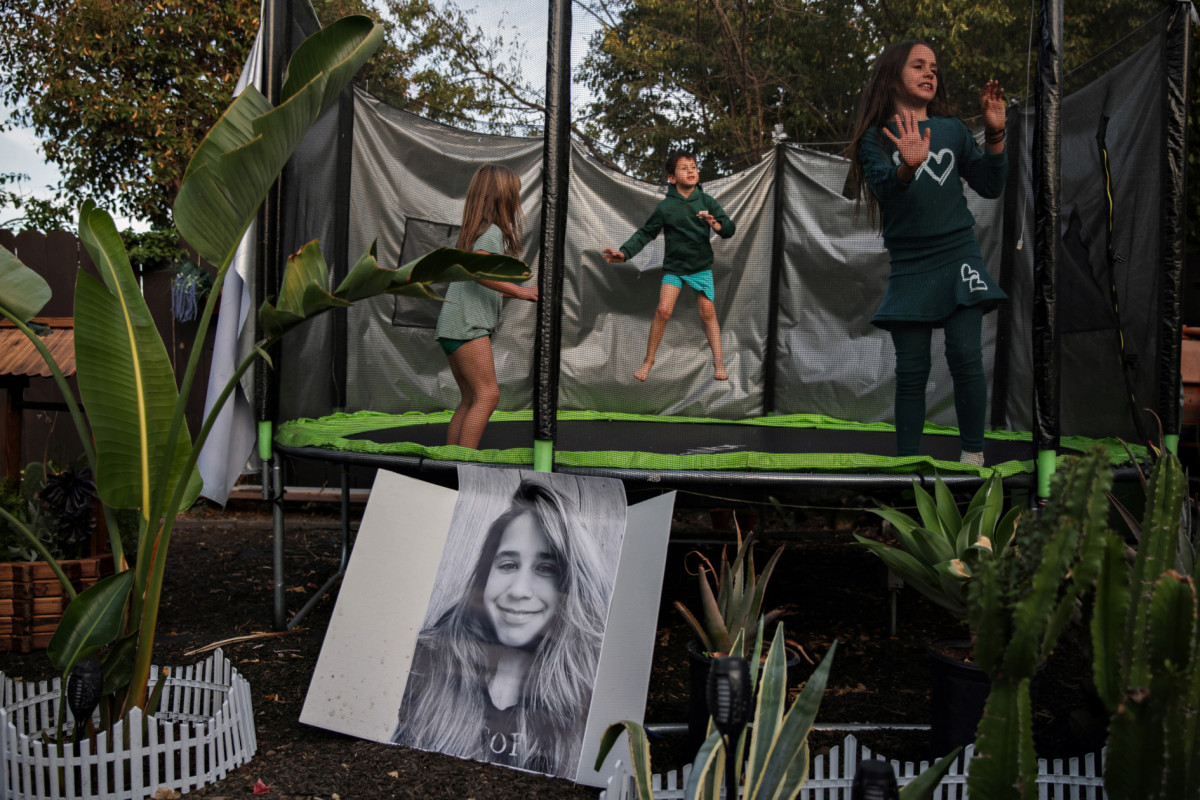
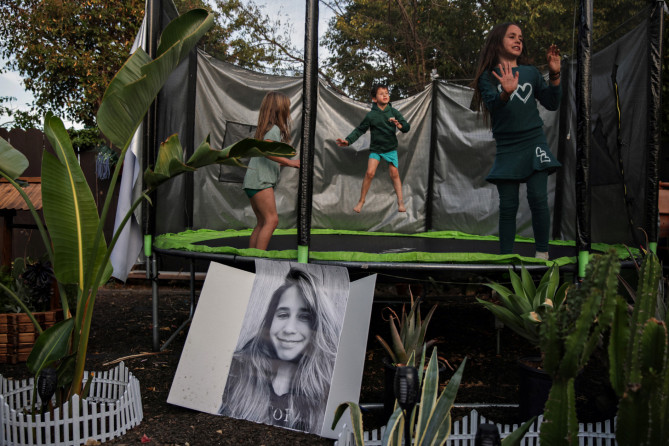
Siblings Adelynn Hajdu, 7, (from Left) Bende Bárány, 5, and Malna Bárány, 7, jump on the trampoline next to a picture of their sister Jázmin during an event to mark the 6-months since her death. They put photographs of Jázmin all over the house and yard to make it feel like she is with them even though she has passed on. Everyone at the party wore green to honor Jázmin’s favorite color. (Photographed Oct. 20, 2024; Published Feb. 26, 2025)
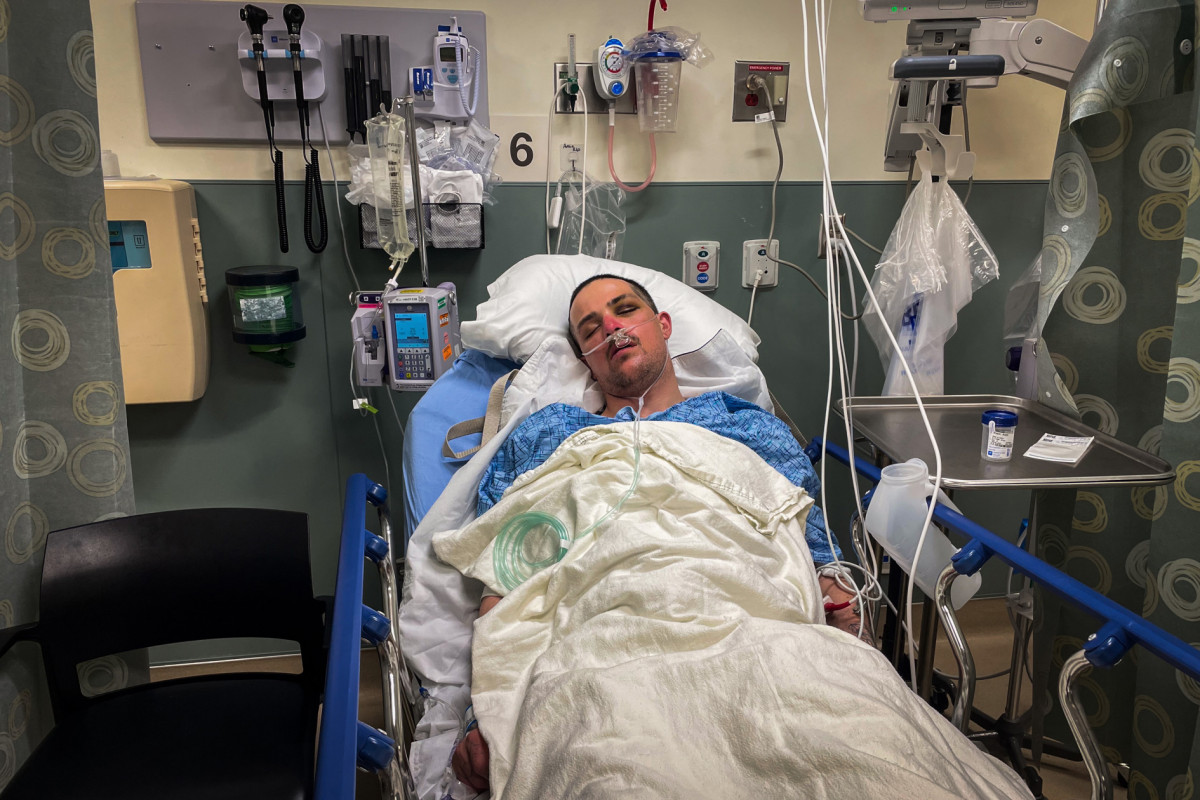
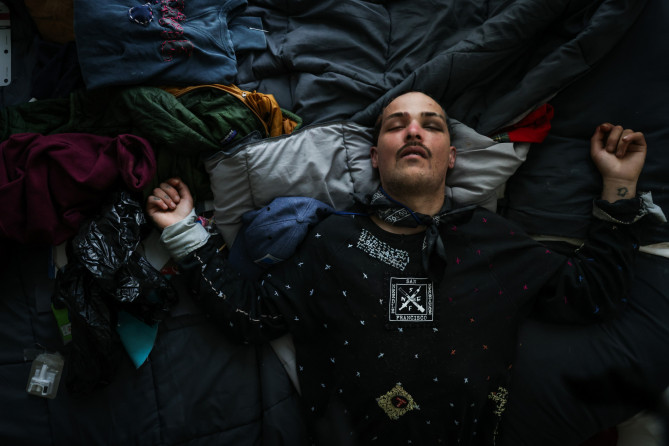
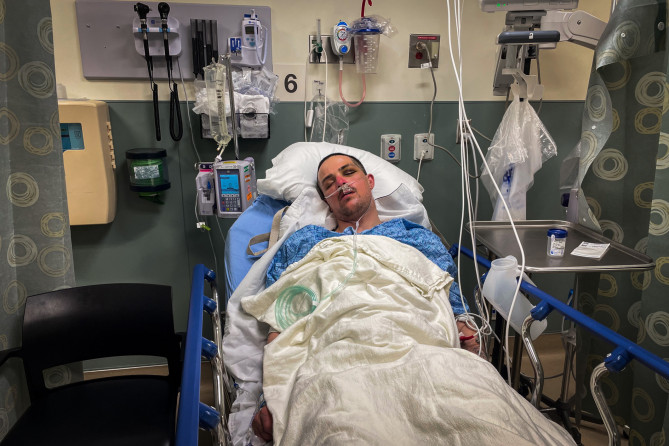
Austin Draper lays asleep in the hospital hours after his therapist called an ambulance because the therapist found him unresponsive in his apartment due to an apparent overdose of fentanyl and ketamine. “To think that I did something to myself to require all of this is so scary,” Austin reflected on one of his hospitalizations. Austin wrote in his journal, “The next step is to stop this abuse.” Austin’s experience mirrors a growing crisis doctors see across San Francisco and the nation, as fentanyl addiction drives rising rates of endocarditis and forces providers into wrenching ethical decisions about repeatedly performing high-risk, costly surgeries on patients who may return to drug use — or refusing care and risking their deaths. (Photographed July 8, 2025; Published Oct. 16, 2025)
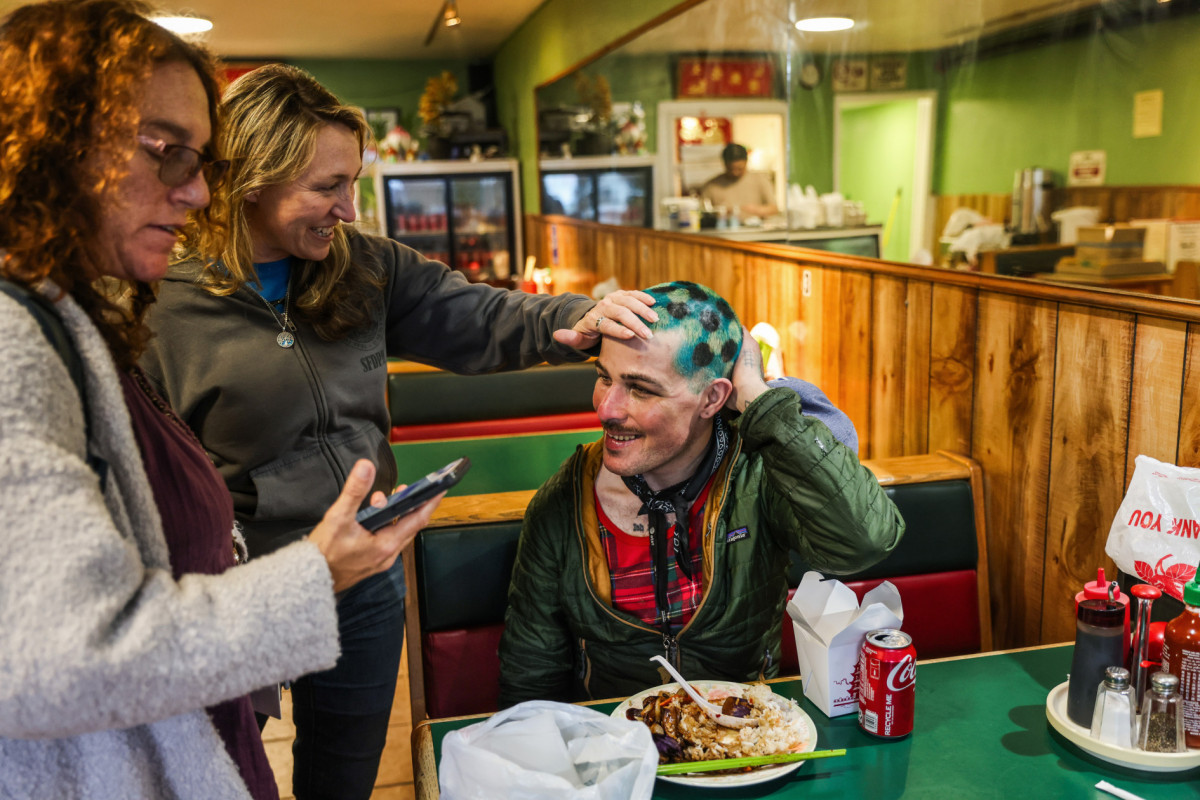
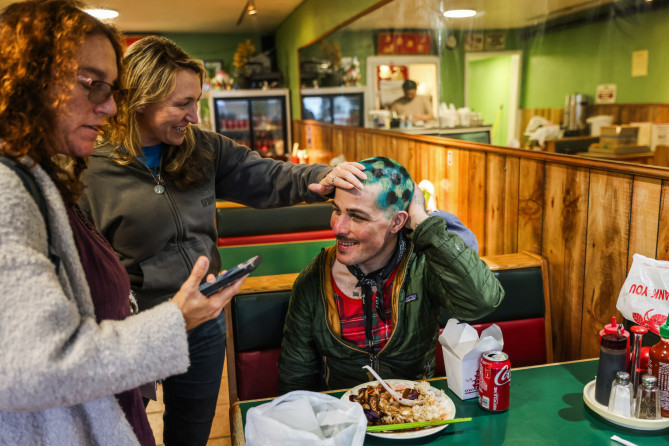
Community workers greet Austin Draper while running into him at a Chinese restaurant and admiring his hair. Austin has an extended care network committed to his recovery. A clinic nurse once drove to his apartment to personally drive Austin to the hospital. (Photographed August 19, 2025; Published Oct. 16, 2025)
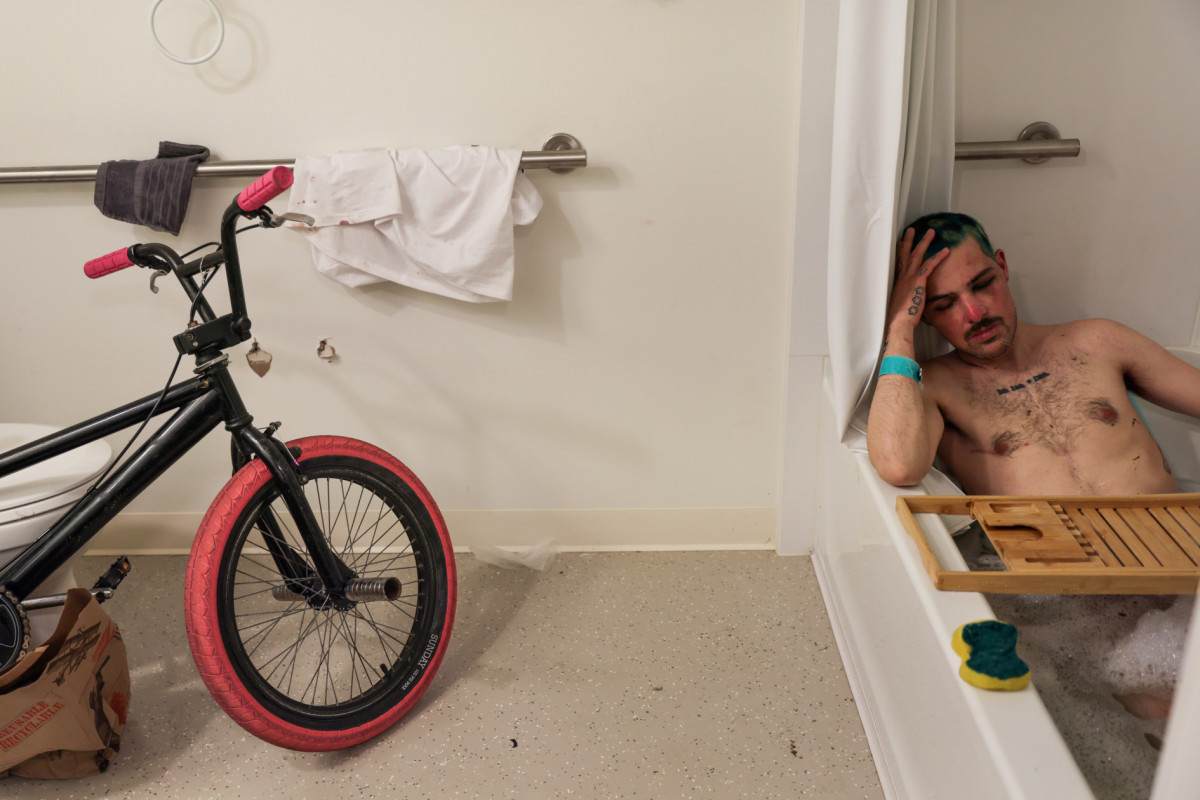
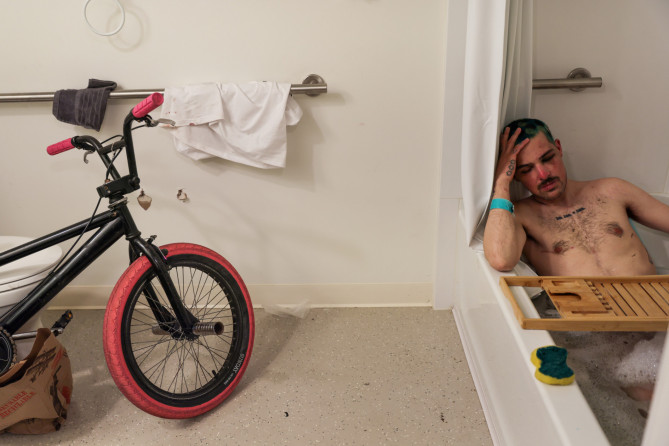
Austin Draper takes a bubble bath, one of his favorite rituals in his apartment. He wants to stop using drugs but describes his addiction as an abusive relationship he can't seem to escape. “If I can do this, I know that there’s so much more that I can do and contribute to the community. I really think I’d be the best version of Austin that has ever existed.” (Photographed August 28, 2025; Published Oct. 16, 2025)
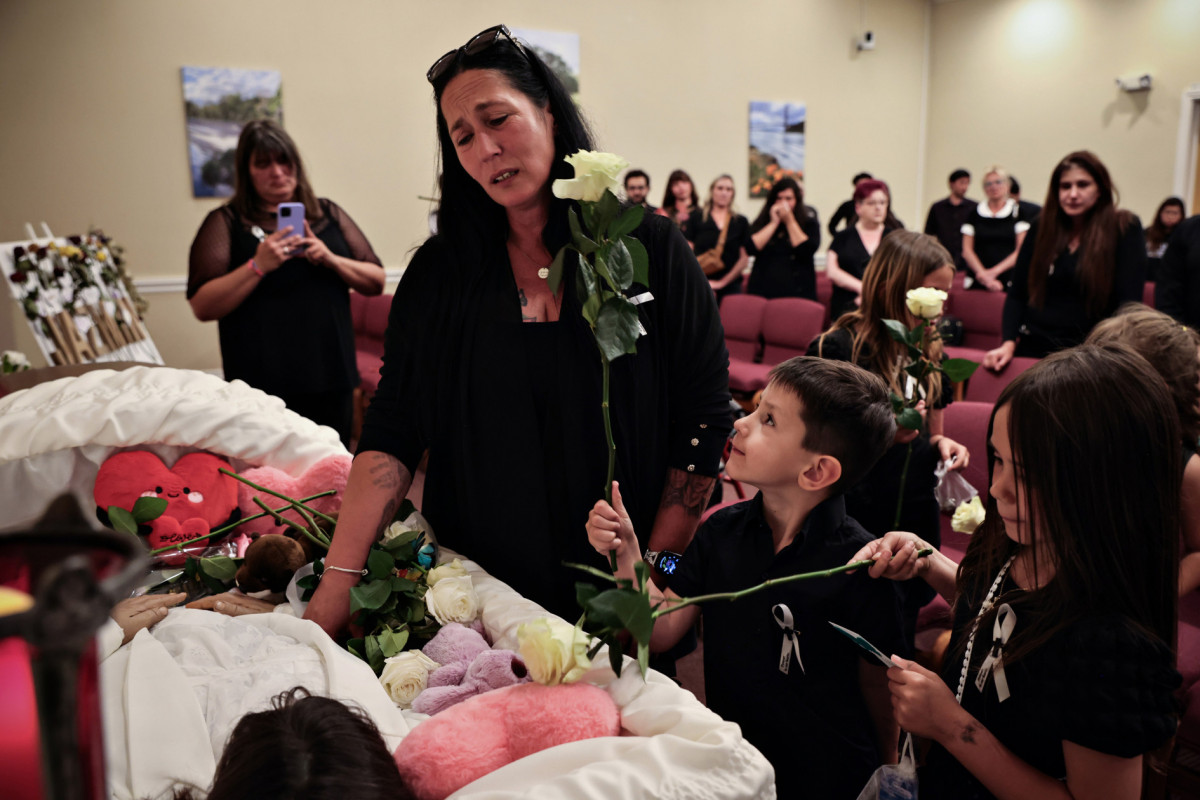
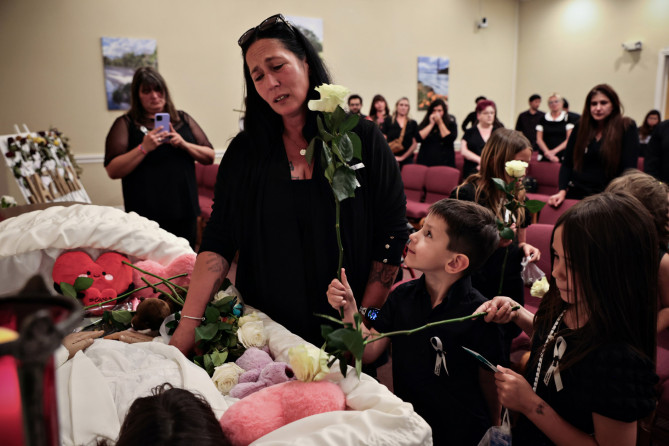
Márta Bárány grieves for her daughter Jázmin, during a memorial service while her children Bende, 5, and Málna, 7 look on at the Diablo Valley Funeral Home in Concord. In a video played during the ceremony, Jázmin’s green, almond-shaped eyes looked directly into the camera as she spoke in Hungarian to her mother. “I almost gave up on a lot of things, but you never, ever give up,” Jázmin said. “You are the best, best mother in the world. And I love you so much.” As the memorial ended, relatives and friends walked up to the casket. Before closing it, they laid a blanket of stuffed animals and flowers on Jázmin’s body, as though they were tucking her into bed. (Photographed May 18, 2024; Published Feb. 26, 2025)
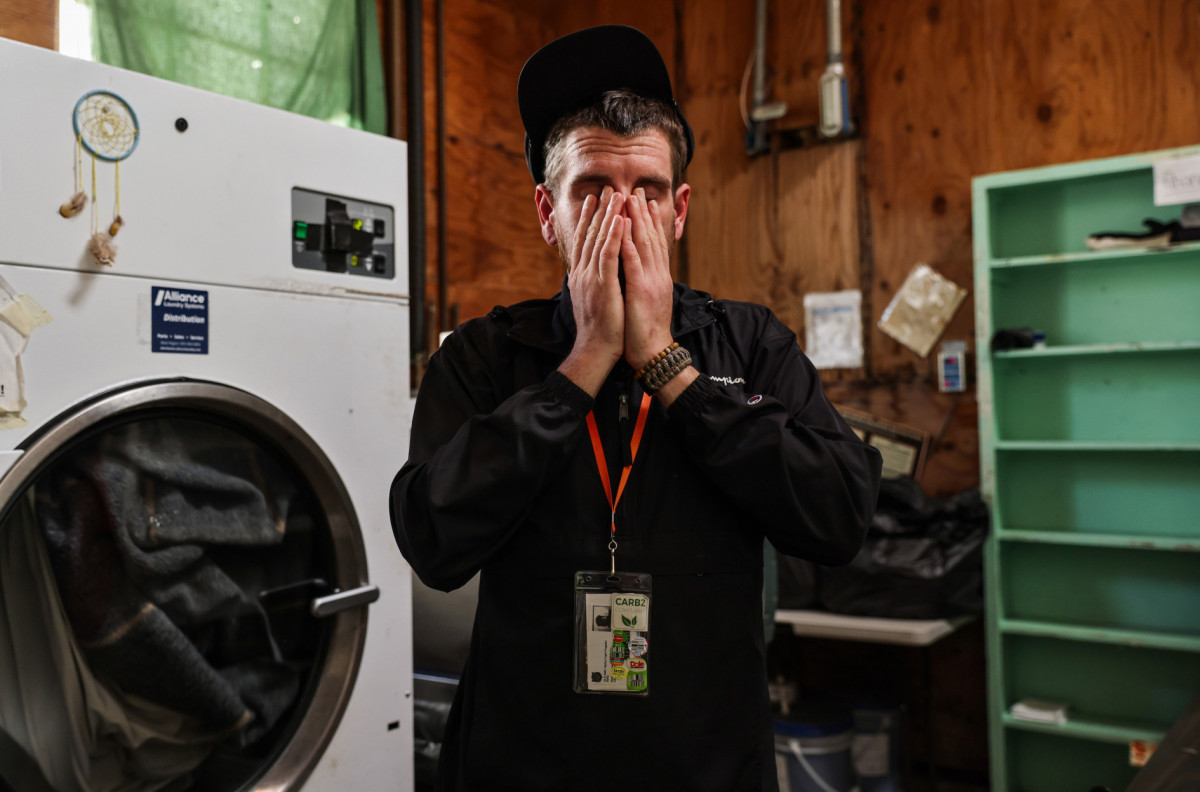
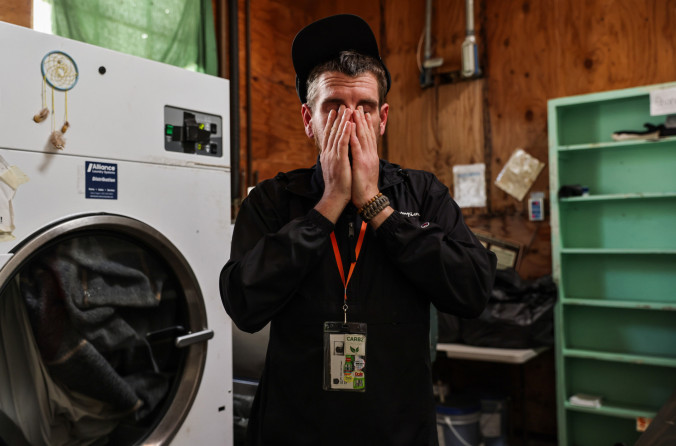
Evan Carver puts his hands over his eyes while discussing the depths of his drug addiction while doing the laundry at Harbor Light in San Francisco. Early on in Evan's recovery he wasn't confident that he would be successful but says, “I’m working every day to change.” (Photographed May 23, 2025; Published Dec. 4, 2025)
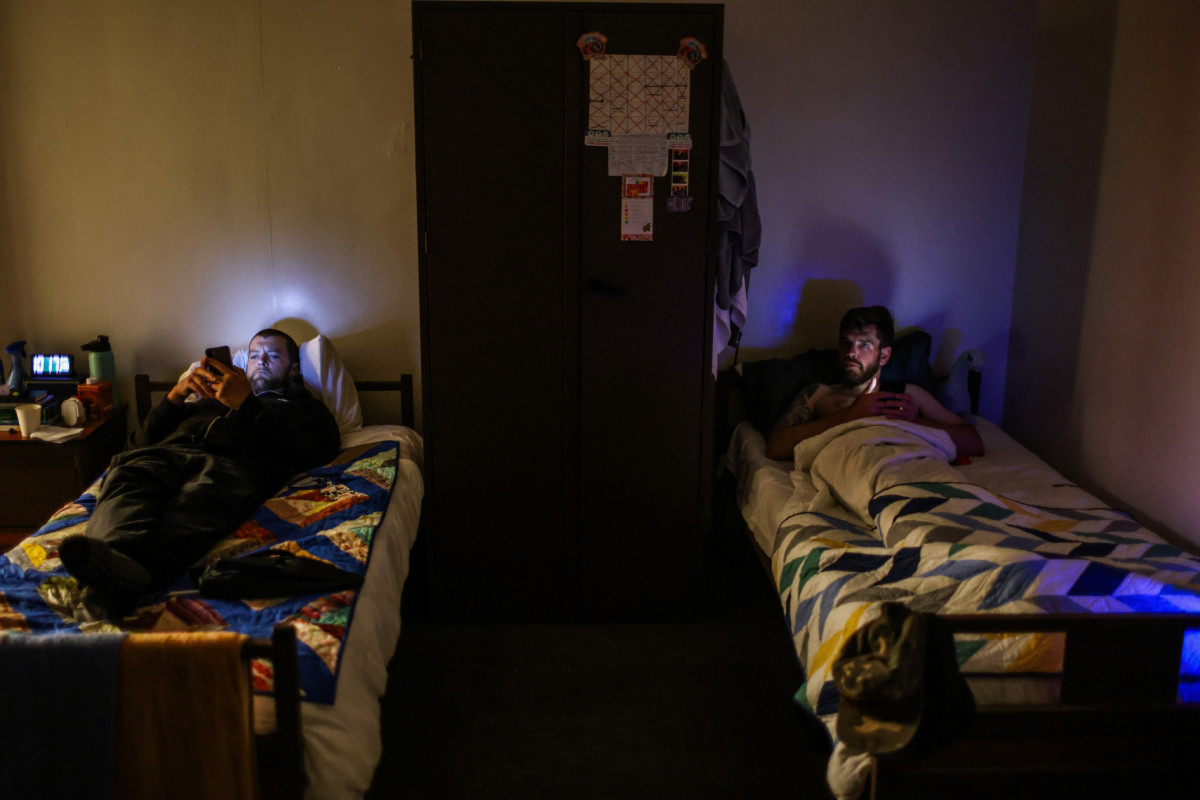
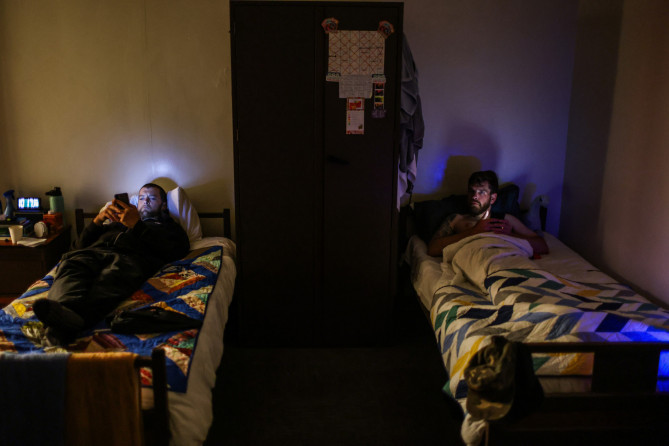
Evan Carver, right, and his best friend Corey Sylvester share a room at the Joseph McFee Center for sober living where they both entered the program at the same time for fentanyl abuse after being friends and homeless on the streets for several years in San Francisco. Evan and Corey used to use fentanyl together but now work on keeping each other accountable and attending Narcotics Anonymous meetings together. They are both 7-months sober. After years of addiction, Evan has reason to hope but remains acutely aware of how easily recovery can falter. (Photographed Oct. 30, 2025; Published Dec. 4, 2025)
Biography
Raised in Washington D.C., Gabrielle Lurie discovered her passion for photography at the age of 17. In 2016, she joined the staff of the San Francisco Chronicle. Gabrielle’s compelling storytelling earned her finalist recognition in the Pulitzer Prize Feature Photography category in 2022 for her poignant coverage of a mother’s struggle to save her daughter from drug addiction. Her dedication to documenting the fentanyl crisis garnered another finalist honor in 2023.